Mould Killer for Walls | What Works & What Doesn’t
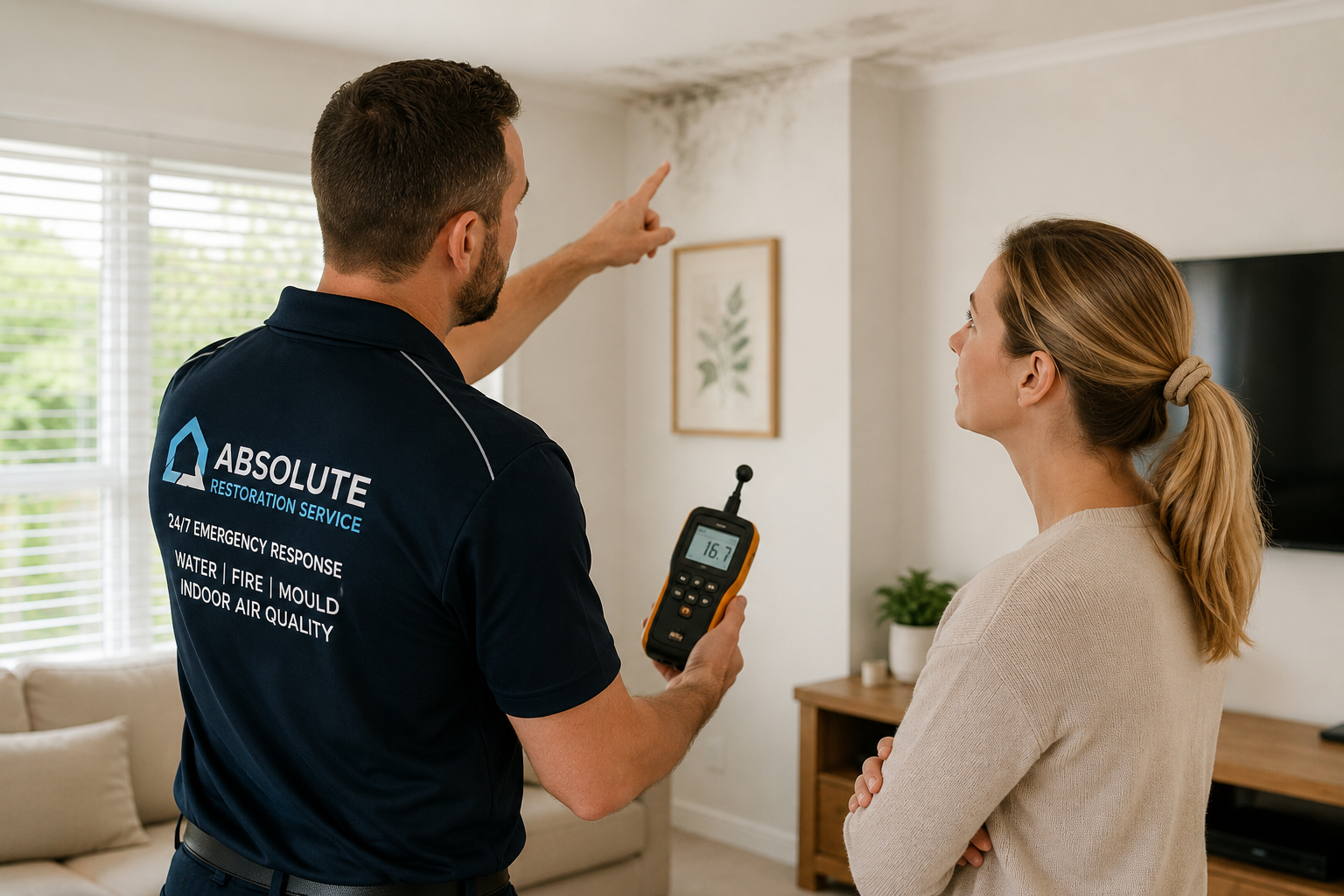
An Absolute Restoration Service technician explains the cause of ceiling mould while performing a professional moisture inspection inside a Melbourne home. Early moisture detection helps prevent mould growth and costly structural damage.
Looking for the best mould killer for walls?
Mould on walls is a common problem in Melbourne homes and commercial buildings. It is usually caused by excess moisture, condensation, poor ventilation, water damage or high humidity.
Bathrooms, laundries, kitchens, bedrooms, subfloors and poorly ventilated rooms are especially vulnerable.
Many DIY mould cleaners can remove visible mould staining, but they often fail to address the moisture problem that allows mould to return. Understanding what works, what doesn’t, and when to call a professional can help you achieve a safer, longer-lasting result.
What Causes Mould to Grow on Walls?
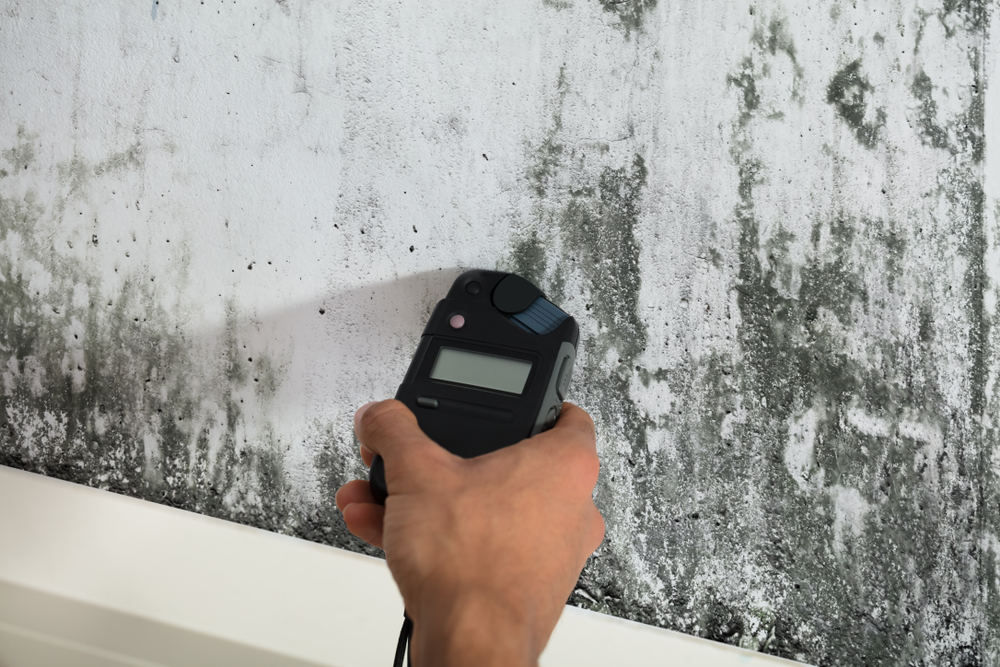
Certified black mould inspection using thermal imaging and moisture testing to identify hidden contamination before remediation.
Mould only needs three conditions to grow:
- Moisture
- Organic material
- Suitable temperatures
Common causes include:
- Water leaks
- Rising damp
- Condensation
- Poor ventilation
- High indoor humidity
- Flood damage
- Roof leaks
- Plumbing failures
Unless the moisture source is fixed, mould is likely to return regardless of the cleaning product used.
Natural Mould Killers for Walls
Several household products may help remove minor surface mould.
White Vinegar
White vinegar is a mild acid that can assist with removing some types of surface mould.
How to use it:
- Spray undiluted vinegar directly onto the affected area.
- Leave for approximately one hour.
- Wipe the surface clean.
- Allow the area to dry completely.
Advantages
- Affordable
- Readily available
- Non-toxic
- Suitable for minor surface mould
Limitations
- Does not fix moisture problems
- Limited effectiveness on porous materials
- Mould may return if moisture remains
Baking Soda
Baking soda may help clean light mould and reduce musty odours.
Mix:
- ¼ tablespoon baking soda
- 1 cup of water
Spray the solution onto the affected area, gently scrub, rinse and allow it to dry.
Advantages
- Safe to use
- Inexpensive
- Helps reduce odours
Limitations
- Less effective on established mould
- Does not remove hidden moisture
Tea Tree Oil
Tea tree oil has natural antifungal properties and is commonly used for light surface mould.
How to use it:
- Mix one teaspoon of tea tree oil with one cup of water.
- Spray onto the affected surface.
- Allow it to dry naturally without rinsing.
Advantages
- Natural antifungal properties
- Pleasant smell
- Suitable for minor mould
Limitations
- More expensive than other DIY options
- Less effective for widespread mould
- Does not solve moisture issues
Lemon Juice
Lemon juice contains natural acids that may help clean small mould-affected areas.
It can be useful for light surface mould but is not a substitute for professional mould remediation.
What Doesn’t Work
Some common treatments only hide the problem rather than solve it.
Painting Over Mould
Painting over mould rarely fixes the issue. The mould often continues growing beneath the paint and eventually reappears.
Air Fresheners
Air fresheners may mask musty smells but they do not remove mould or moisture.
Ignoring Moisture Problems
Cleaning mould without fixing leaks, humidity or condensation almost always results in mould returning.
Why Bleach Often Fails
Many people believe bleach is the best mould killer, but it is generally only effective on non-porous surfaces.
Bleach struggles to penetrate materials such as:
- Plasterboard
- Gyprock
- Timber
- Grout
- Ceiling linings
- Insulation
Mould roots can remain beneath the surface and continue growing after cleaning.
Professional mould remediation focuses on identifying and correcting the underlying moisture problem rather than simply removing visible mould.
When Mould Killer Isn’t Enough
DIY mould cleaners may not be effective when mould extends beyond the visible surface.
Hidden mould is commonly found inside:
- Wall cavities
- Ceiling spaces
- Roof voids
- Insulation
- Subfloors
- Water-damaged building materials
If mould continues to return, a professional investigation may be required.
Signs You Need Professional Mould Remediation
Professional mould removal is recommended when:
- Mould repeatedly returns
- The affected area exceeds one square metre
- A strong musty odour is present
- Water damage has occurred
- Occupants experience respiratory irritation
- Mould is suspected inside walls or ceilings
- Visible mould is widespread
A professional inspection can identify hidden moisture and recommend the most appropriate remediation strategy.
Professional Mould Remediation Melbourne
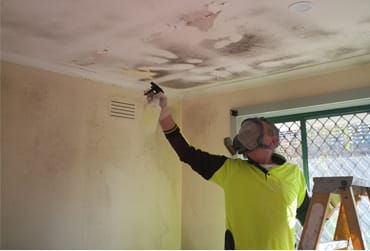
Absolute Restoration Service provides professional mould inspections, moisture investigations and mould remediation throughout Melbourne.
Our services include:
- Professional mould inspections
- Moisture detection
- Leak investigations
- Indoor air quality assessments
- HEPA air filtration
- Containment systems
- Structural drying
- Residential mould remediation
- Commercial mould remediation
- Water damage restoration
By identifying the source of moisture, we help reduce the risk of recurring mould and improve long-term indoor air quality.
Why Choose Absolute Restoration Service?
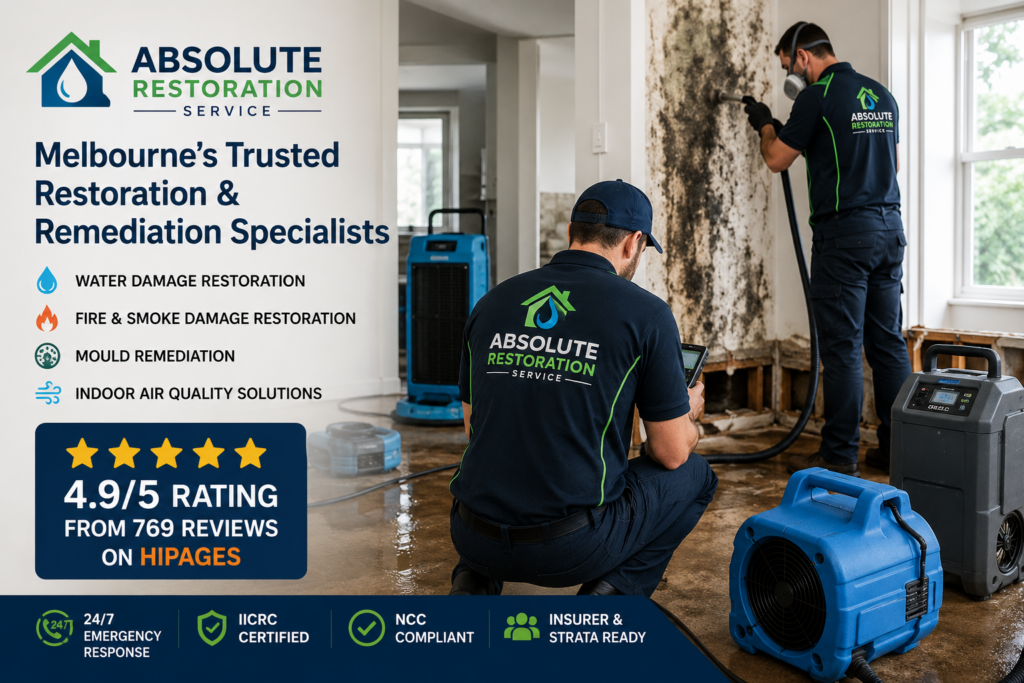
Absolute Restoration Service provides professional water damage restoration, fire and smoke damage restoration, mould remediation, and indoor air quality solutions across Melbourne and Victoria. Rated 4.9/5 from 769 reviews on HiPages.
Mould Contamination✔ Independent mould assessments
- ✔ Advanced moisture detection
- ✔ HEPA air filtration
- ✔ Water damage specialists
- ✔ Residential and commercial mould remediation
- ✔ Indoor air quality expertise
- ✔ Melbourne-wide service
- ✔ Experienced restoration professionals
- ✔ 769+ Verified HiPages Reviews
Related Services
You may also be interested in:
- Mould Remediation Melbourne
- Mould Inspection Melbourne
- Indoor Air Quality Assessments
- Moisture Detection & Leak Investigation
- Structural Drying Melbourne
- Subfloor Ventilation Melbourne
- Water Damage Restoration Melbourne
Helpful Resources
Learn more about mould prevention, healthy indoor environments and moisture management from trusted Australian government organisations.
VicHealth (Victorian Health Promotion Foundation) – Official information on health promotion, healthy homes, healthy communities and environmental factors that support wellbeing.
Victorian Department of Health – Mould and Your Health – Official guidance on mould health risks, moisture control, prevention and safe mould removal.
National Construction Code (NCC) – Official guidance on Australian building performance requirements, moisture management, ventilation and condensation control.
Frequently Asked Questions
Do mould killers permanently remove mould?
Most DIY mould killers remove visible mould but do not eliminate hidden moisture or mould growing inside porous materials.
Is bleach effective?
Bleach may remove staining on hard surfaces but is generally less effective on porous building materials.
Can mould return after cleaning?
Yes. Unless the moisture source is corrected, mould commonly returns.
Is vinegar better than bleach?
For many minor surface mould problems, vinegar is often more effective because it can penetrate porous materials better than bleach.
When should I call a professional?
Professional mould remediation is recommended if mould keeps returning, covers a large area, follows water damage or affects indoor air quality.
Mould Keeps Coming Back?
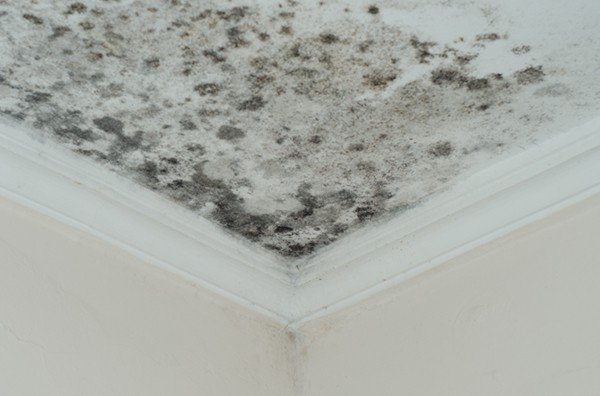
Visible black mould growth caused by prolonged moisture exposure and condensation within a Melbourne property.
Recurring mould is usually a sign of hidden moisture, poor ventilation, condensation or an unresolved building defect.
Rather than treating the symptoms, Absolute Restoration Service identifies the source of the problem and provides practical, long-term solutions.
Book a Professional Mould Assessment
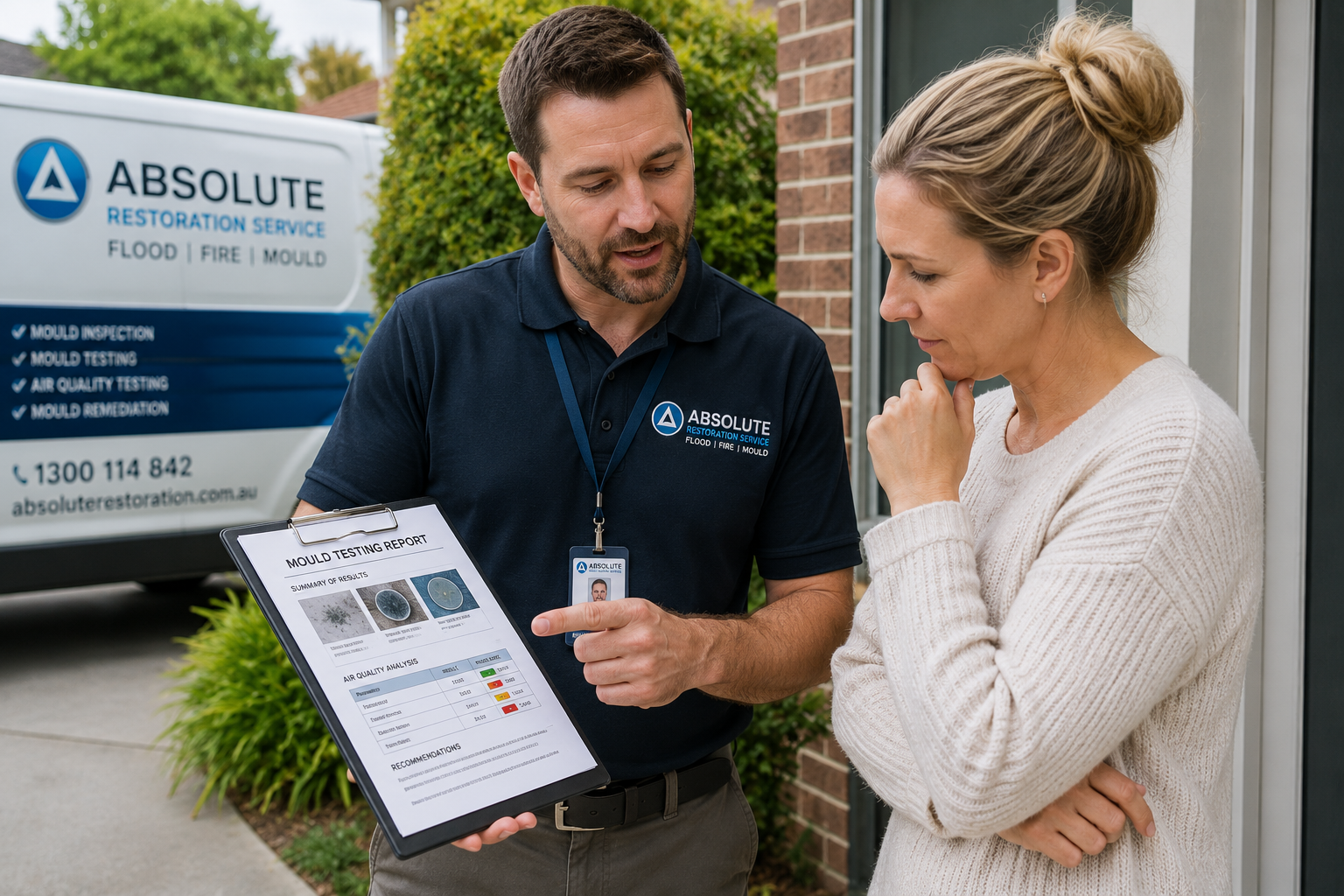
An Absolute Restoration Service technician explains mould testing and indoor air quality results to a homeowner, providing clear recommendations for remediation and long-term moisture control.
If mould continues to return despite cleaning, professional investigation may be required.
Absolute Restoration Service provides mould inspections, mould remediation, moisture investigations and indoor air quality solutions throughout Melbourne.
📞 Call 1300 114 842
Book Your Free Mould Inspection Today
Stop treating the symptoms and discover what’s really causing mould to return.