Indoor Air Quality Melbourne
Property-focused assessment of moisture, mould, ventilation, particulates and other indoor environmental concerns across Melbourne.
Indoor air quality is influenced by outdoor air, occupant activities, ventilation, moisture, building materials, combustion sources, cleaning products and maintenance. Absolute Restoration Service assesses the property and helps define practical next steps for investigation, source control, remediation or ventilation.
Call 1300 114 842 or request an indoor environmental assessment. If anyone has severe symptoms, suspected carbon-monoxide exposure, a gas leak, fire or another immediate danger, leave the area and call 000 or the relevant emergency service.
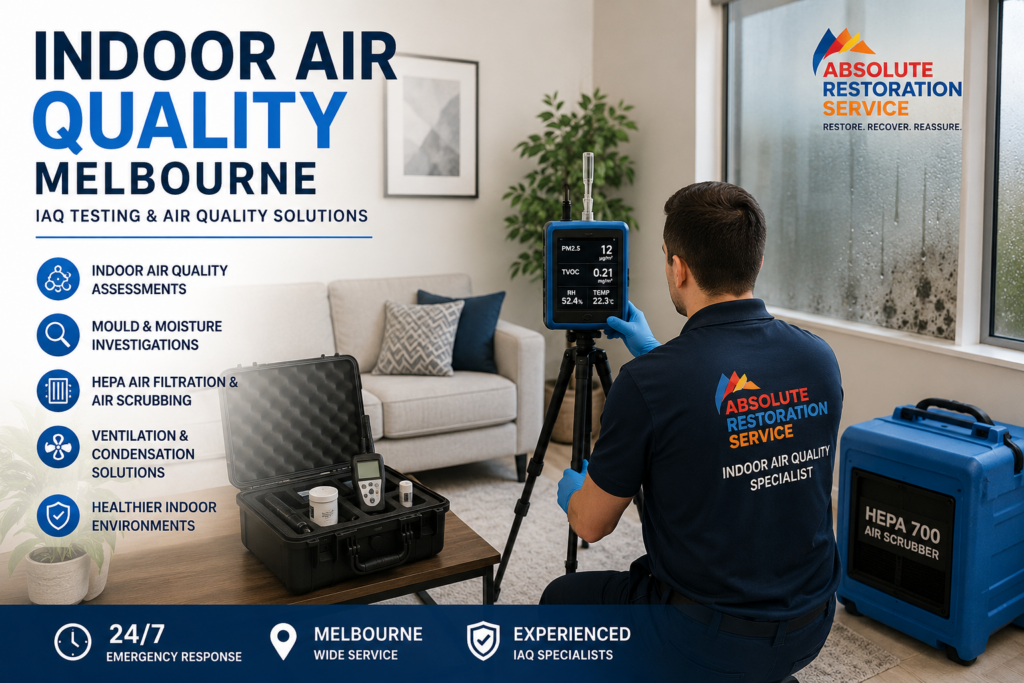
An indoor environmental assessment can consider moisture, ventilation, particles, odours and building conditions.
Common Indoor Air Quality Concerns
- Persistent musty, smoky, chemical or unexplained odours
- Visible mould or recurring dampness
- Condensation on windows, walls or ceilings
- High or unstable indoor humidity
- Rooms that feel stale or poorly ventilated
- Dust or particles generated by building work or contamination
- Smoke and soot after a fire
- Water damage that was not fully assessed or dried
- Outdoor air entering near traffic, smoke or industrial sources
- Combustion appliances or attached garages requiring specialist review
These signs do not identify a pollutant or diagnose a health condition. The investigation should be guided by the concern, property history and decisions the results need to support.
What an Indoor Air Quality Assessment Can Include
Property History and Visual Inspection
We review the building use, occupancy, known incidents, odours, moisture history, ventilation, affected rooms and visible conditions. Concealed areas and inaccessible systems limit observations.
Moisture and Humidity Assessment
Moisture meters, temperature and relative-humidity readings, surface observations and thermal imaging where useful help investigate dampness, condensation and possible moisture pathways.
Ventilation Review
The assessment may consider outdoor-air pathways, local exhaust, room airflow, equipment condition and factors that restrict ventilation. Carbon-dioxide readings can sometimes support ventilation assessment in occupied spaces but do not represent overall air quality by themselves.
Targeted Measurements or Sampling
Depending on the defined question, the scope may include selected particulate, carbon-dioxide, humidity or other measurements, or referral for specialist sampling. One short measurement cannot guarantee that all pollutants or conditions have been identified.
Recommendations
Recommendations may address source control, cleaning, moisture repair, mould remediation, filtration, ventilation, additional investigation or referral to an appropriately qualified specialist.
What IAQ Testing Cannot Establish
- It cannot diagnose illness or determine whether a symptom was caused by a building.
- No single monitor tests for every pollutant.
- A result applies to the instrument, method, location and sampling period used.
- Thermal imaging does not directly detect mould or measure moisture.
- Air filtration does not repair leaks or remove contamination embedded in materials.
- Ventilation cannot replace source control for hazardous emissions or active water entry.
People with health concerns should seek advice from a healthcare professional. Gas appliances, electrical systems, asbestos, lead, combustion hazards and building defects may require separate licensed or specialist assessment.
Moisture, Mould and Indoor Air
Leaks, condensation, flooding and ground moisture can affect materials and contribute to musty odours or mould growth. Effective management involves identifying the moisture source, correcting it and addressing affected materials—not relying only on sprays, air fresheners or filtration.
Mould Inspection Melbourne · Mould Removal Melbourne · Moisture Investigation Melbourne
Ventilation and Filtration Options
Local Exhaust Ventilation
Bathrooms, laundries and kitchens require source-focused exhaust suited to the room and building. Fan capacity, duct route, discharge location, controls and make-up air influence performance.
Subfloor Ventilation
Mechanical or improved passive airflow may assist selected subfloor moisture conditions, but drainage, plumbing leaks and ground moisture should also be assessed. View Subfloor Ventilation Melbourne.
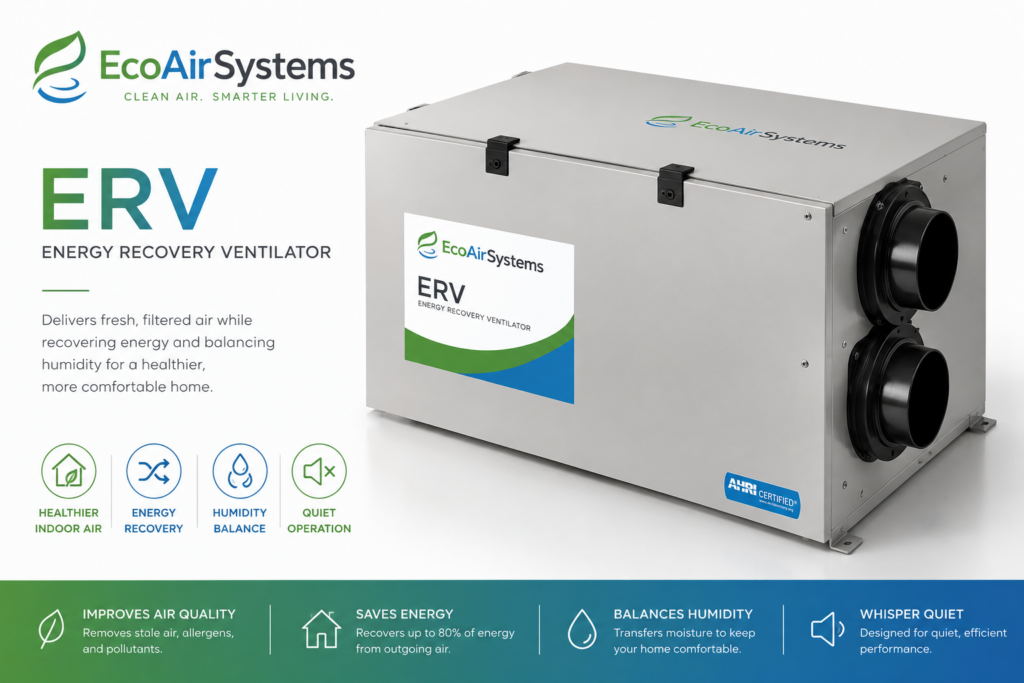
Energy Recovery Ventilation
An ERV provides filtered, balanced outdoor-air exchange while transferring part of the energy between airstreams. Correct sizing, duct design, commissioning and maintenance are essential. View Energy Recovery Ventilation Melbourne.
Portable HEPA Air Filtration
HEPA equipment can reduce selected airborne particles when correctly sized and maintained. It does not remove gases, repair moisture sources or replace physical cleaning and source removal.
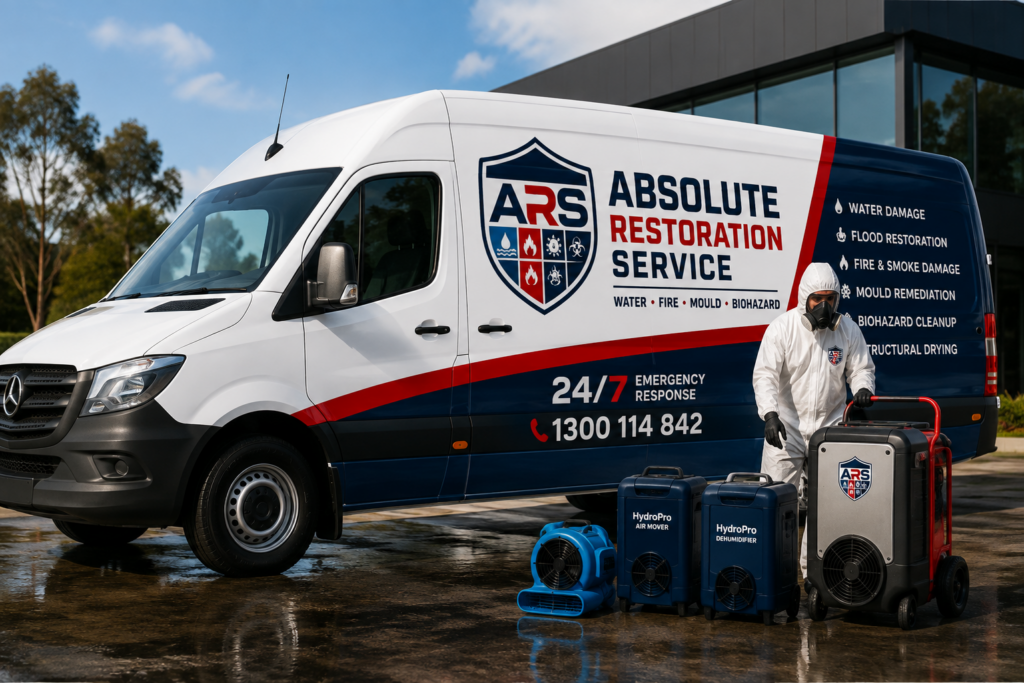
ARS provides indoor environmental, mould, moisture and ventilation services across metropolitan Melbourne.
Our Indoor Environmental Assessment Process
1. Define the Concern
We clarify the property history, affected rooms, timing, occupant observations, recent work and the question the assessment needs to answer.
2. Inspect the Property
Accessible materials, moisture indicators, ventilation, odours, visible contamination and relevant building features are reviewed.
3. Take Relevant Measurements
Tools and measurements are selected for the defined issue rather than using a generic test package. Conditions at the time of assessment are documented where relevant.
4. Interpret in Context
Results are considered with the building, occupancy, outdoor conditions, instrument limitations and property history.
5. Recommend Next Steps
ARS explains practical source-control, remediation, ventilation, cleaning or referral options. Costs and scopes for additional work are provided separately where required.
6. Review After Work
Follow-up inspection or measurement may be recommended to assess the agreed project outcome. Independent verification can be appropriate for larger or sensitive remediation projects.
Fire, Smoke and Water-Damage Concerns
Fire residues, soot, firefighting water and flood damage can influence the indoor environment. Authority release, source removal, detailed cleaning and drying come before relying on air filtration alone.
Fire and Smoke Damage Restoration · Water Damage Restoration
Why Choose Absolute Restoration Service?
- Property-focused indoor environmental assessment
- IICRC-trained restoration technicians
- Moisture, mould, filtration and ventilation capabilities
- Targeted measurement based on the project question
- Clear limitations and practical recommendations
- Residential, commercial and strata experience
- Coordination with healthcare, building and licensed specialists where required
- Melbourne service coverage subject to availability
Frequently Asked Questions
What is an indoor air quality assessment?
It is a property-focused review of the concern, building conditions, moisture, ventilation and selected environmental factors. The scope depends on the question being investigated.
Does one IAQ monitor test everything?
No. Different instruments and sampling methods measure different factors. A suitable scope identifies the pollutants or conditions of concern before selecting tests.
Can an IAQ assessment diagnose health symptoms?
No. Building assessment can identify property conditions and measurements but does not diagnose illness or prove medical causation. Consult a healthcare professional about symptoms.
Can ventilation solve mould?
Ventilation may support moisture management in selected situations, but it does not remove existing mould or repair leaks, waterproofing, drainage or insulation defects.
Can HEPA filtration remove odours and gases?
HEPA filters capture selected particles. They do not remove all gases or odours, so source control and other treatment may be required.
Do you install ventilation systems?
ARS assesses and provides selected subfloor and energy-recovery ventilation solutions. Feasibility, design, approvals and licensed-trade requirements are confirmed for each property.
Book an Indoor Air Quality Assessment
Call 1300 114 842 or contact Absolute Restoration Service to discuss an indoor environmental concern in Melbourne.