Commercial Mould Removal Melbourne
Professional mould assessment, moisture investigation and controlled remediation for offices, retail, warehouses, strata and commercial facilities.
Commercial mould incidents can disrupt staff, tenants, customers, stock and building operations. Water may spread through shared ceilings, wall systems, HVAC zones, carpet, insulation and adjoining tenancies before visible mould appears.
Absolute Restoration Service provides commercial mould removal across Melbourne for property owners, facility managers, strata managers, builders, insurers and commercial tenants. Our IICRC-trained restoration technicians assess the moisture source, define affected areas and develop a staged remediation scope suited to the building and operational requirements.
Call 1300 114 842 or request a commercial assessment.
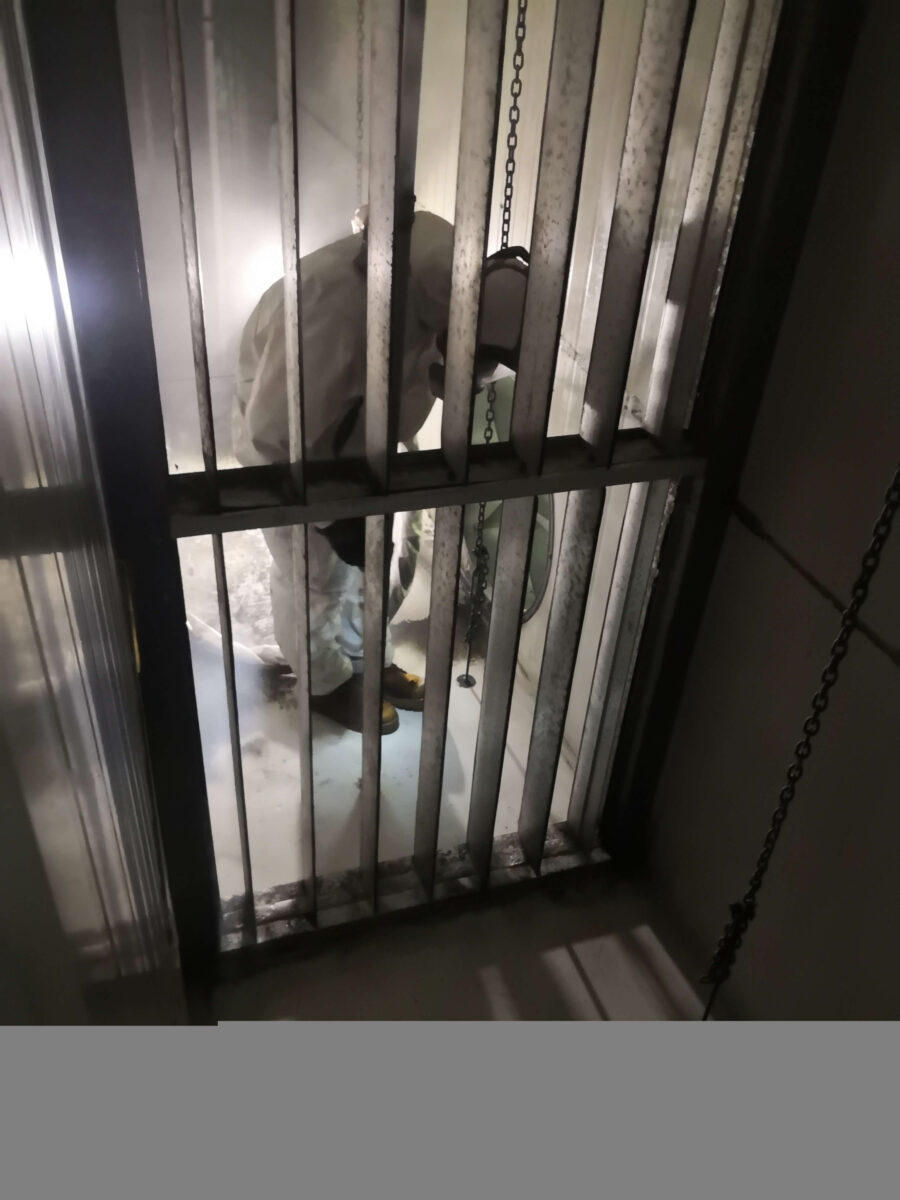
Commercial mould contamination requires a defined moisture, access and remediation strategy.
IICRC-Trained Technicians | Staged Commercial Remediation | Moisture Mapping | Melbourne-Wide Service
Commercial Properties We Assist
- Offices and professional suites
- Retail stores and shopping-centre tenancies
- Warehouses and distribution facilities
- Factories and industrial premises
- Hotels, accommodation and hospitality venues
- Schools, community and institutional buildings
- Strata complexes and apartment common areas
- Healthcare and managed facilities, subject to site requirements
- Construction sites and recently completed buildings
- Vacant, flood-affected and insurance-managed properties
Each environment has different access, security, occupant, stock and operational considerations. The remediation plan is developed around the site conditions rather than applying a residential process at a larger scale.
Common Causes of Commercial Mould
- Roof, façade, window and balcony leaks
- Burst pipes, failed fittings and appliance leaks
- Stormwater entry and flood damage
- Incomplete structural drying after water incidents
- HVAC condensation and condensate-drain failures
- Cold surfaces, thermal bridging and high humidity
- Poor airflow behind shelving, stock and wall linings
- Wet carpet, ceiling tiles, plasterboard and insulation
- Subfloor, basement and ground-moisture problems
- Construction moisture trapped inside new materials
Mould remediation cannot deliver a durable outcome if the water source, humidity or building defect remains unresolved. Appropriate trades may be required to repair roofing, plumbing, HVAC or structural issues.
Signs a Commercial Building Needs Mould Assessment
- Visible mould on ceilings, walls, stock or furnishings
- Musty odours in occupied or closed areas
- Recurring staining after painting or cleaning
- Water marks, swollen materials or damaged ceiling tiles
- Damp carpet or flooring following a leak
- Condensation near glazing, cool rooms or HVAC outlets
- Complaints concentrated in a particular room or zone
- Mould discovered during renovation or tenancy changeover
- A building-wide water incident or prolonged shutdown
Our Commercial Mould Remediation Process
1. Site Assessment and Stakeholder Briefing
We review the incident, affected operations, building access, occupant requirements and available water-damage or maintenance information. The authorised contact and communication pathway are established.
2. Moisture Mapping and Scope Development
Moisture meters, humidity readings and thermal imaging may be used where appropriate to identify moisture pathways and affected materials. The findings inform a written or agreed remediation scope.
3. Operational and Access Planning
Work zones, hours, loading access, security, tenant communication and interaction with other contractors are planned. Staging may reduce disruption, but availability of areas depends on contamination and safety requirements.
4. Containment and HEPA Air Management
Controlled access, containment barriers and HEPA-filtered equipment are selected according to the work area and risk of particulate movement into occupied or unaffected zones.
5. Detailed Remediation and Material Removal
Suitable retained surfaces are cleaned using professional remediation procedures. Damaged porous materials that cannot be effectively remediated may require controlled removal.
6. Structural Drying and Moisture Monitoring
Water-affected materials may require extraction, dehumidification, air movement and monitored drying after the source has been stopped.
7. Final Review and Handover
The completed work is reviewed against the agreed scope. Documentation and recommendations for repairs, moisture management or independent post-remediation verification are provided where relevant.
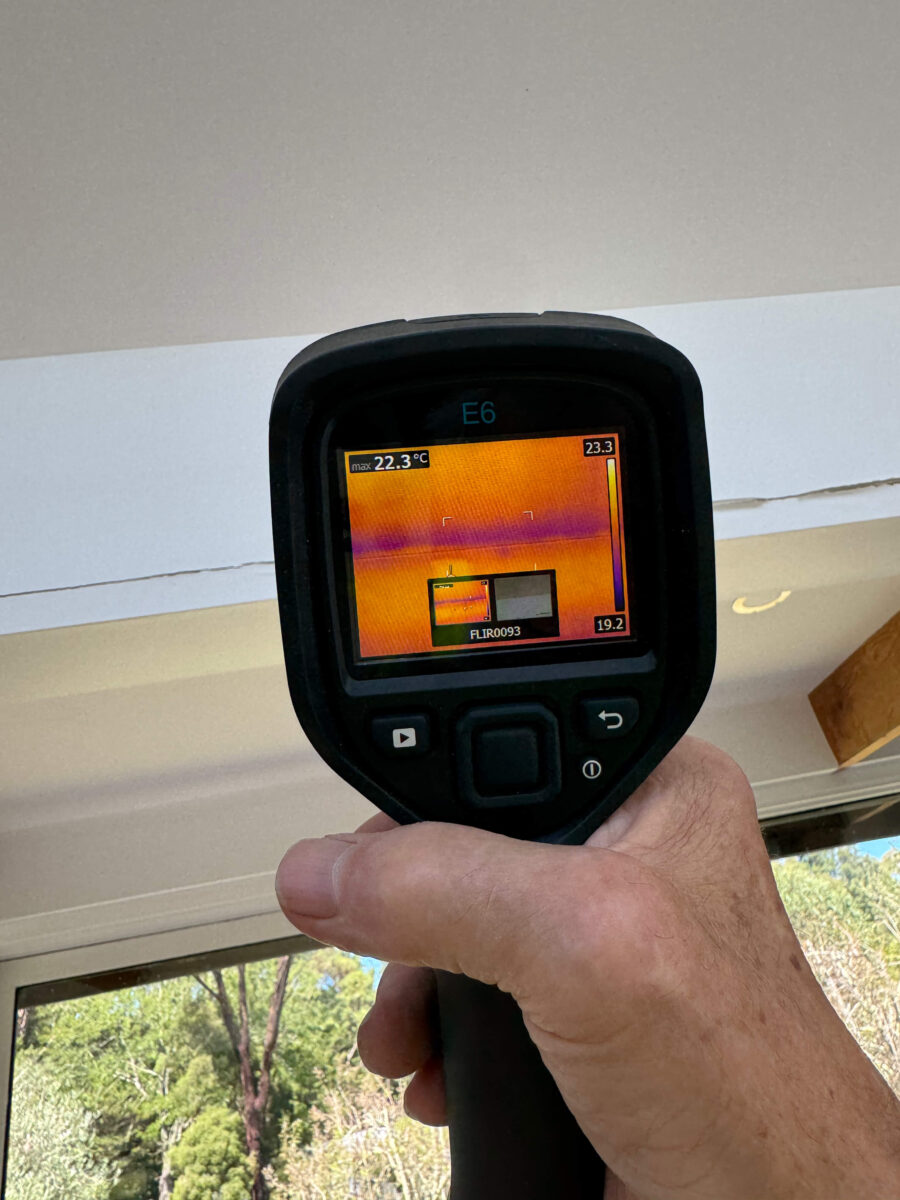
Moisture mapping and thermal imaging support commercial mould scope development.
Planning Remediation Around Business Operations
Commercial projects may require staged work, after-hours access or temporary isolation of affected zones. These options are considered during planning, but remediation controls take priority where contamination could spread or materials must be disturbed.
ARS coordinates with the authorised client contact and can work alongside builders, plumbers, HVAC contractors, hygienists, insurers and facility teams within the agreed project roles.
HVAC, Ventilation and Indoor Air Quality
Mould near air-conditioning equipment does not automatically mean the entire HVAC system is contaminated. Condensate drains, filters, insulation, duct surfaces and local humidity should be assessed before a scope is determined.
Specialist mechanical contractors may be required for HVAC repair or duct access. For broader building-environment concerns, visit our Indoor Air Quality services.
Strata, Property Management and Documentation
Multi-tenant and strata buildings often involve shared services, common property and multiple decision-makers. Clear authority, access coordination and separation of the moisture repair, remediation and reinstatement scopes help projects progress efficiently.
Where independent verification is required, it should be completed by an appropriately qualified third party rather than relying solely on the remediation contractor.
Why Choose Absolute Restoration Service?
- More than 20 years of restoration and remediation experience
- IICRC-trained restoration technicians
- Commercial moisture mapping, containment and HEPA-filtration capability
- Experience with operational, vacant, strata and insurance-managed sites
- Staged planning and clear stakeholder communication
- Related water-damage, structural-drying and indoor-air-quality services
- Melbourne-wide response with selected regional attendance
Related Commercial Restoration Services
- Mould Removal Melbourne
- Black Mould Removal Melbourne
- Mould Testing Melbourne
- Water Damage Restoration Melbourne
- Structural Drying Melbourne
- Fire and Smoke Damage Restoration
- Biohazard Remediation Melbourne
- Restoration Services Melbourne
- Melbourne Restoration Service Areas
Commercial Mould Removal FAQs
Can mould remediation be completed outside business hours?
After-hours or staged work may be possible depending on access, contamination, building rules and the required controls. These options are reviewed during scope planning.
Can unaffected areas remain operational?
Possibly. The decision depends on the location and extent of contamination, shared air pathways, access and the remediation controls required.
Do you work with property managers, insurers and builders?
Yes. ARS regularly works through an authorised client contact and coordinates with relevant project stakeholders within the agreed roles.
Do all mould-affected commercial materials need removal?
No. Material decisions depend on porosity, condition, contamination and moisture exposure. Some surfaces can be remediated while damaged porous materials may require removal.
Can you help after a commercial water leak or flood?
Yes. ARS provides water extraction, moisture mapping, structural drying and mould remediation for commercial water-damage incidents.
Do you provide commercial remediation documentation?
Documentation can record the agreed scope and remediation activities. Independent testing or verification should be arranged separately where required.
Request a Commercial Mould Assessment
Early assessment can reduce operational disruption, protect materials and define the moisture and remediation scope before contamination spreads through additional areas.