Restoration Support for Thomastown Properties
Thomastown includes established homes, rentals, factories, warehouses, workshops, retail and commercial premises. Moisture may enter through metal roofing, box gutters, plumbing, wet areas, wall penetrations, slab edges, cool rooms or stormwater pathways. Condensation on roofing and services, limited ventilation and concealed leaks can also contribute to persistent dampness and mould growth.
In strata buildings, access may be required to private lots, common property or shared services. ARS documents accessible restoration conditions but does not determine ownership boundaries, insurance coverage or legal responsibility.
Water Damage Restoration Thomastown
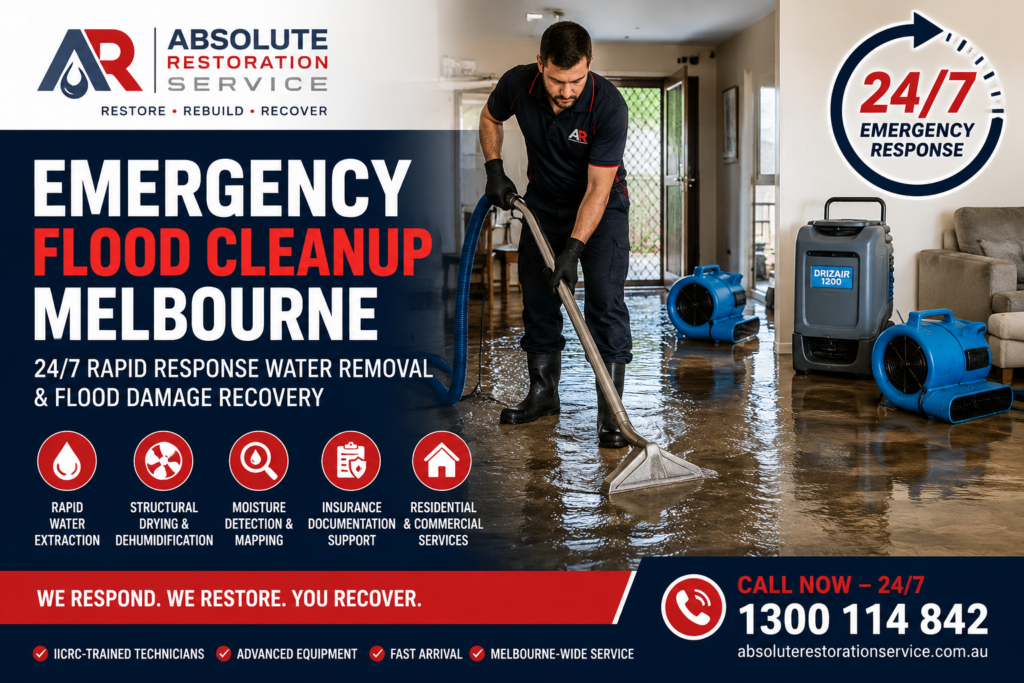
Prompt assessment can help define the affected area and reduce avoidable secondary damage. The response depends on the water source, contamination category, materials, duration, access and safety conditions.
Our Water-Damage Process
- Initial safety review: identify electrical, structural, contamination and access concerns.
- Source coordination: confirm the water has stopped or arrange referral to the relevant licensed trade.
- Extraction: remove accessible standing water where safe and within scope.
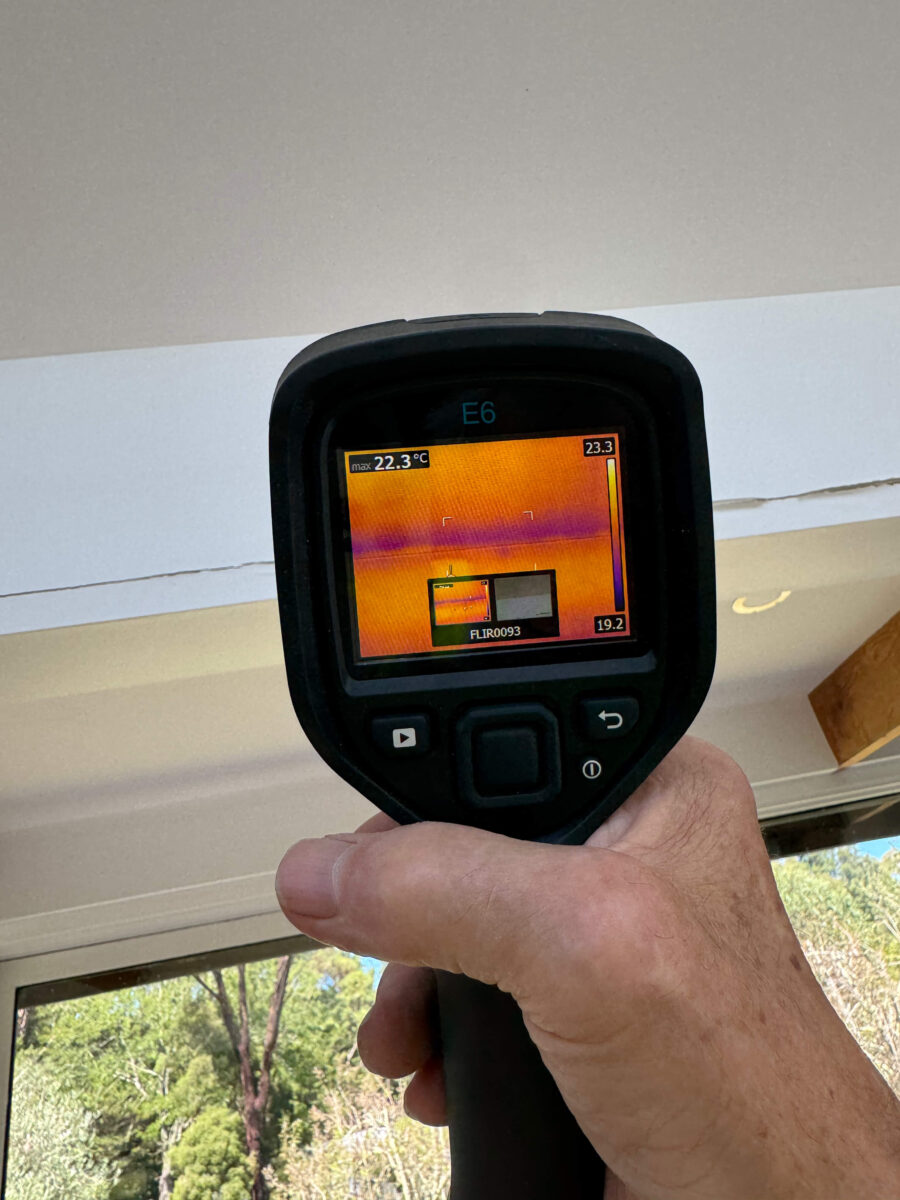
- Moisture mapping: assess affected materials using suitable meters and site observations.
- Material assessment: determine what may be dried, cleaned, monitored or removed.
- Drying setup: position air movers, dehumidification and other equipment according to the project.
- Monitoring: review moisture readings and adjust the drying plan where required.
- Handover: document completed restoration work, limitations and remaining repair needs.
Water extraction does not replace plumbing, roofing, waterproofing, drainage, electrical or structural repairs. Those works require the appropriate licensed contractor.
Mould Removal Thomastown
Mould remediation involves more than treating a visible surface. A suitable scope considers the moisture source, affected materials, containment, removal or cleaning methods, detailed cleaning and completion criteria.
ARS uses project-appropriate controls that may include work-area containment, suitable PPE, HEPA-filtered air management, controlled removal of affected porous materials and detailed cleaning of retained surfaces. No responsible contractor can promise to eliminate every naturally occurring mould spore from a building.
When to Request an Assessment
- Visible or recurring mould
- Persistent musty or damp odours
- Water staining, bubbling paint or damaged plaster
- Damp carpet, timber, cabinetry or stored contents
- Condensation on glazing, walls or ceilings
- A recent or historic leak, flood or stormwater event
- Moisture suspected beneath flooring or inside wall systems
People with medical concerns should consult an appropriate healthcare professional. ARS assesses property conditions and does not diagnose illness or determine whether symptoms were caused by mould.