Mould Inspection Thomastown

Absolute Restoration Service provides mould inspection and moisture assessment for homes, rentals, warehouses and commercial properties in Thomastown.

Our inspection considers accessible mould, affected materials and the moisture or building conditions that may be contributing to growth. Inspection is separate from remediation, building repair and independent post-remediation verification.

Call 1300 114 842 to discuss the property and an appropriate inspection scope.

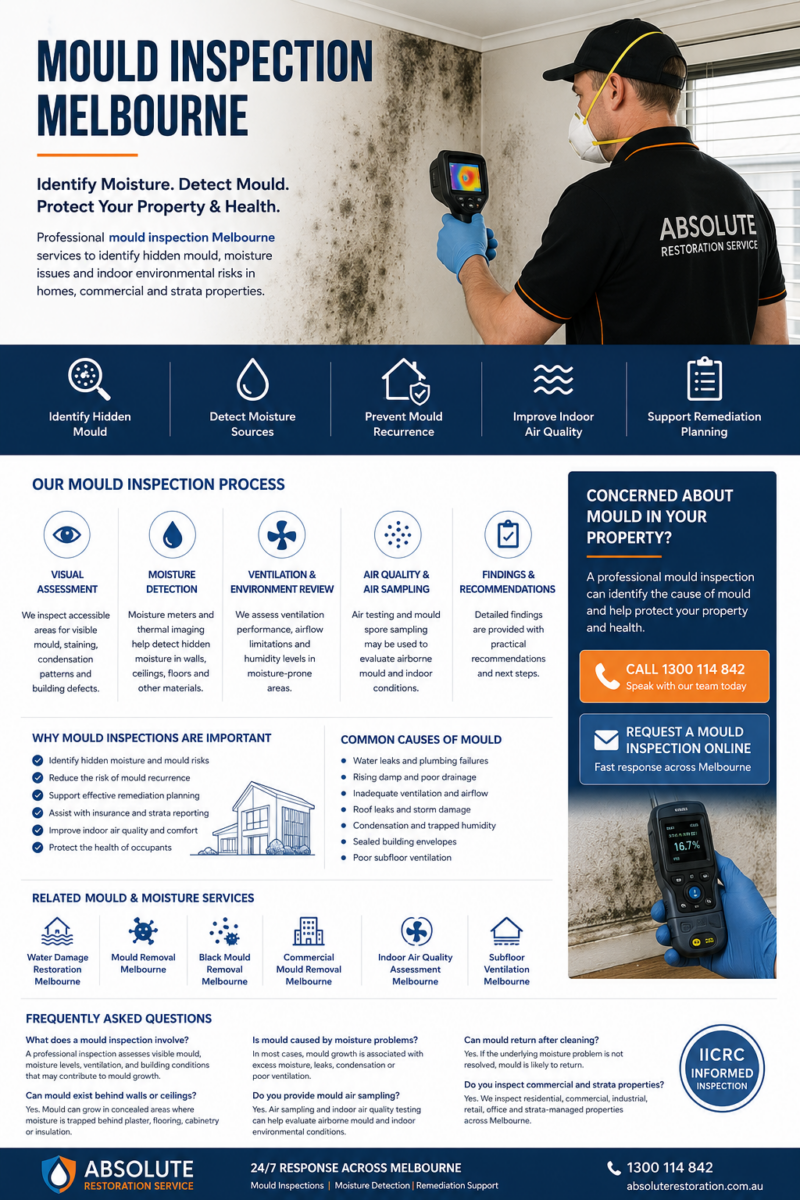
ARS technician conducting a mould inspection at a Thomastown property
A structured inspection considers visible growth, moisture readings, affected materials and accessible building areas.

When to Arrange a Mould Inspection

  • Visible or recurring mould
  • Persistent musty or damp odours
  • Water staining, damaged plaster or bubbling paint
  • Condensation on windows, walls, ceilings or services
  • A previous leak, flood, roof failure or stormwater event
  • Damp carpet, flooring, cabinetry, stock or stored contents
  • Suspected moisture beneath floors or inside wall systems
  • A requirement for rental, strata, insurance or remediation documentation

People with medical concerns should consult an appropriate healthcare professional. ARS assesses property conditions and does not diagnose illness or determine whether symptoms were caused by mould.

Thomastown Property Considerations

Thomastown includes established homes, rental properties, factories, warehouses and mixed commercial buildings. Moisture pathways can differ between these properties and may include roof or gutter defects, plumbing leaks, wet-area waterproofing failure, poor subfloor ventilation, condensation on metal roofing or services, wall penetrations, stormwater entry and earlier water damage.

Commercial inspections may also require consideration of stored goods, racking, cool rooms, production areas, plant, restricted zones and after-hours access. ARS documents accessible conditions within the agreed scope and site-safety requirements.

Our Mould Inspection Process

  1. Background review: we discuss the property, water history, repairs, affected areas and purpose of the inspection.
  2. Visual assessment: accessible mould, staining, material deterioration, condensation and ventilation conditions are documented.
  3. Moisture readings: suitable meters are used to compare materials and identify elevated readings or patterns.
  4. Thermal imaging: surface-temperature patterns may be reviewed and compared with other evidence.
  5. Extent assessment: affected materials and possible concealed pathways are considered within access limitations.
  6. Recommendations: next steps may include repair, drying, remediation, monitoring, sampling or authorised invasive investigation.
  7. Reporting: findings, photographs and limitations are documented according to the agreed scope.

Thermal Imaging and Moisture Mapping

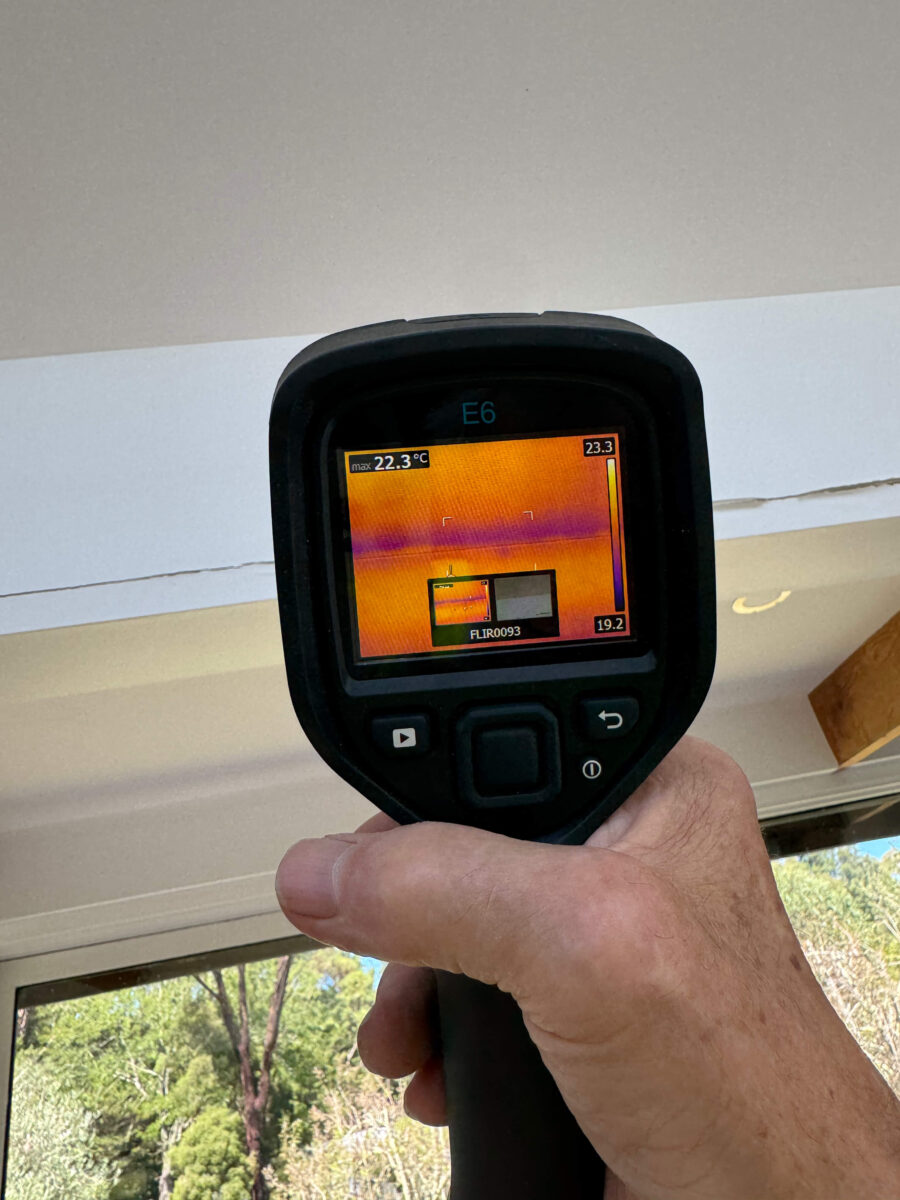
A thermal camera records surface-temperature differences. Patterns may be influenced by evaporation, insulation, air movement, sunlight, heating, metal framing, refrigeration, plumbing routes and other conditions. A thermal camera does not see through walls and does not directly detect mould or water.

Suspected anomalies are interpreted alongside moisture-meter readings, visible conditions and available building information. Locating or repairing plumbing, roofing, waterproofing, drainage or structural defects may require an appropriately licensed trade.
Thermal imaging used with moisture readings during a Thomastown mould inspection
Thermal patterns require confirmation with readings and site observations.
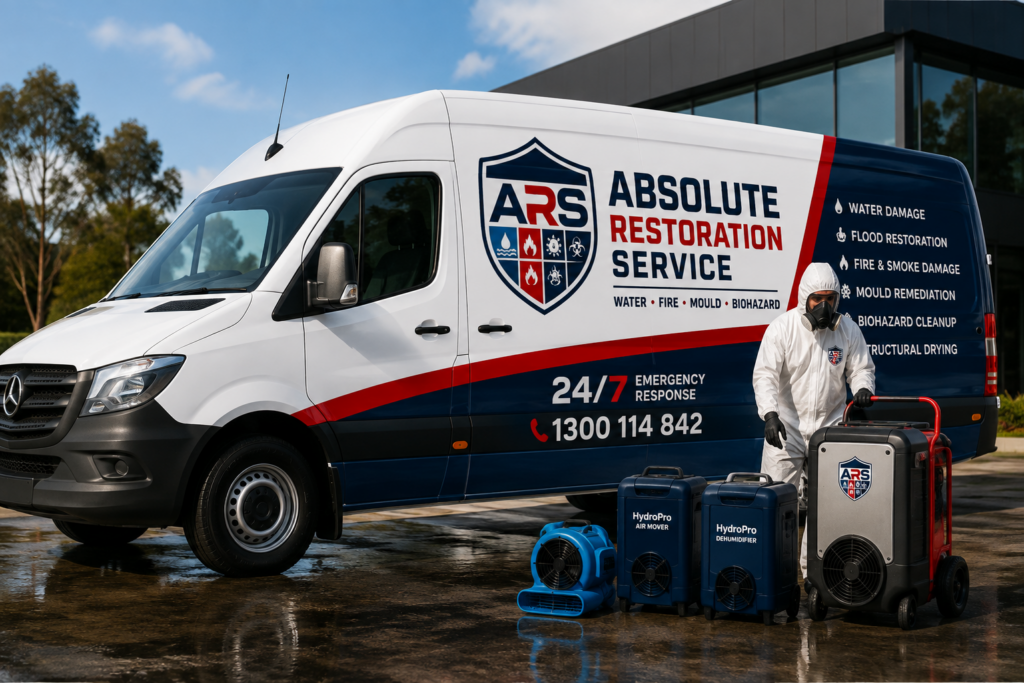
Absolute Restoration Service corporate van supporting inspections in Thomastown
ARS supports residential, rental and commercial properties in Thomastown.

When Sampling May Be Considered

Air, surface or material sampling is not automatically required. It should answer a defined question, with the method, locations, laboratory analysis, interpretation and limitations explained before collection.

A limited sample cannot represent every room, cavity, surface or stored item. When independent verification is required, the verifier should be appropriately qualified and independent of the remediation contractor.

Inspection Findings and Recommended Next Steps

Depending on the findings, recommendations may include:

Inspection Scope and Limitations

Findings apply to accessible areas and conditions at the time of attendance. Concealed cavities, furniture, machinery, racking, stored contents, finishes, recent cleaning, weather and restricted access can affect what is observed. Destructive investigation is not performed without permission.

A restoration inspection is not a structural engineering report, plumbing certificate, medical assessment or legal determination.

Related Services

Arrange a Thomastown Mould Inspection

Call 1300 114 842 or contact Absolute Restoration Service online. Include the property type, affected areas, known water events and reason for inspection.

Mould Inspection Thomastown FAQs

What does a Thomastown mould inspection include?

The agreed scope may include a property-history review, inspection of accessible areas, visible mould documentation, moisture readings, thermal imaging where useful, humidity observations and practical next steps.

Can thermal imaging find mould behind walls?

No. Thermal imaging records surface-temperature patterns and does not directly detect mould or water. Suspected anomalies require interpretation with moisture readings, site observations and building information.

Do you inspect warehouses and commercial properties in Thomastown?

Yes. ARS can inspect authorised residential, rental, strata, warehouse and commercial premises, subject to the agreed scope, site access and safety requirements.

Is mould sampling always necessary?

No. Sampling should answer a defined question and is not automatically required for visible mould or a straightforward moisture problem. The method and limitations should be explained before collection.

Can ARS identify the exact source of every moisture issue?

ARS can document accessible moisture patterns and likely contributing conditions. Confirmation or repair of plumbing, roofing, waterproofing, drainage or structural defects may require an appropriately licensed trade.
What happens after the inspection?

Recommendations may include source repair, moisture investigation, structural drying, mould remediation, ventilation review, monitoring, sampling or authorised investigation of concealed areas.