Boat and Shipping Container Mould Removal Melbourne
Professional mould assessment, remediation and moisture-control guidance for boats, marine interiors, shipping containers and enclosed storage environments.
Boats and shipping containers are highly vulnerable to condensation, restricted airflow and water ingress. Moisture can become trapped against metal walls, beneath flooring, inside insulation, behind linings and within stored fabrics or cargo. When enclosed spaces remain damp, mould and persistent musty odours can develop quickly.
Absolute Restoration Service provides boat and shipping container mould removal across Melbourne and selected Victorian locations. Our IICRC-trained restoration technicians assess the moisture conditions, define affected materials and complete controlled mould remediation suited to the vessel, container and intended use.
Call 1300 114 842 or request an inspection.
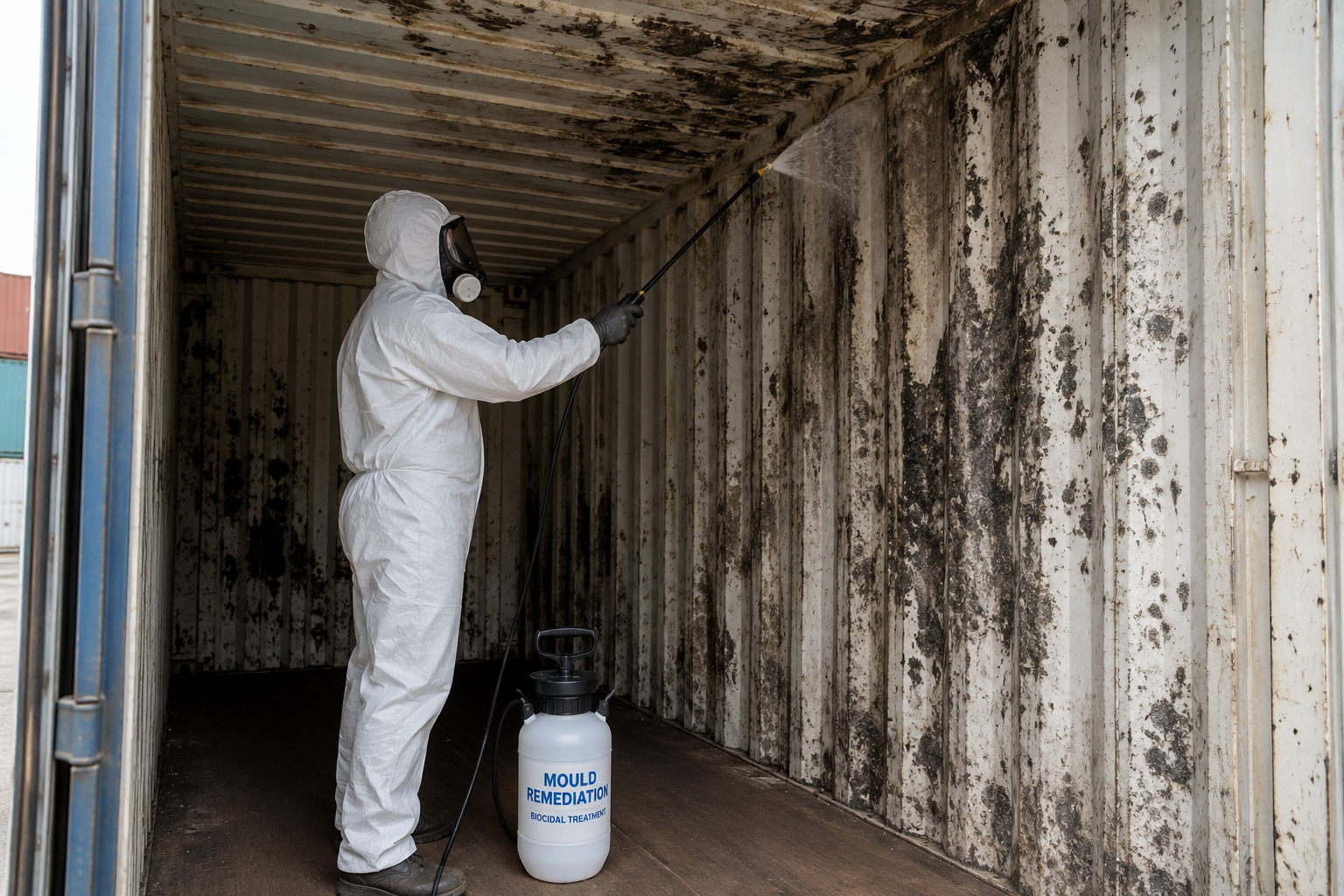
Professional mould remediation inside a shipping container affected by condensation and moisture damage.
IICRC-Trained Technicians | Boats and Containers | Moisture Investigation | Melbourne and Selected Victorian Locations
Why Boats and Shipping Containers Develop Mould
Metal shells respond rapidly to changes in temperature. Warm humid air contacting cooler walls or ceilings can create condensation—sometimes described as container rain. In boats, moisture may also enter through hatches, windows, deck fittings, plumbing, bilges and weather-exposed seals.
Common contributing conditions include:
- Condensation on metal walls, ceilings and framing
- Restricted ventilation during storage or lay-up
- Roof, hatch, window, door or seal leaks
- Wet bilges and plumbing leaks
- Moisture trapped behind linings and insulation
- Damp cushions, carpet, timber and stored contents
- Containers placed directly on damp ground
- Inadequate drainage around container sites
- Temperature changes during transport and storage
- Loading goods with elevated moisture content
Cleaning visible mould without correcting airflow, leaks or residual moisture commonly results in regrowth.
Signs Professional Mould Remediation May Be Required
- Visible mould on walls, ceilings, linings or framing
- Dark spotting on timber, fabrics or stored goods
- Persistent musty odours after ventilation
- Condensation droplets or water tracks on metal surfaces
- Damp cushions, carpet, insulation or packaging
- Peeling coatings, corrosion or water staining
- Mould returning after surface cleaning
- Contamination affecting multiple stored items
- A known leak, flood or prolonged storage period
The visible area may not represent the full moisture impact. Linings, insulation, subfloors and stacked contents can conceal additional contamination.
Boat Mould Removal and Marine Interior Remediation
Marine interiors contain a mixture of fibreglass, timber, vinyl, carpet, foam, fabrics and electrical components. Remediation must account for material sensitivity, confined access and the vessel’s ventilation and moisture pathways.
Areas commonly assessed include cabins, headliners, berths, storage lockers, galleys, bathrooms, engine-compartment boundaries, bilges and enclosed voids. We do not perform marine mechanical or structural repairs; leaks and vessel defects should be addressed by the appropriate marine trade.
Shipping Container Mould Removal
Containers used for cargo, business storage, construction, archives or converted spaces can develop mould when moisture becomes trapped or contents are loaded damp. The remediation scope considers the container shell, timber flooring, coatings, insulation, partitions, stored contents and evidence of ongoing water entry.
For cargo and stored goods, decisions about cleaning, disposal or specialist conservation depend on item value, porosity, condition, contamination and the client’s restoration objectives.
Our Boat and Container Mould Remediation Process
1. Inspection and Moisture Assessment
We review visible mould, odours, condensation, leaks, ventilation and affected materials. Moisture meters, humidity measurements and thermal imaging may be used where appropriate.
2. Scope and Access Planning
The technician defines the work area and explains which surfaces or contents may be cleaned, dried, removed or investigated further. Confined access and electrical or operational hazards are considered before work begins.
3. Containment and HEPA Air Management
Where required, controlled access, containment and HEPA-filtered equipment help reduce the spread of particulates during remediation.
4. Detailed Cleaning and Material Assessment
Affected retained surfaces are cleaned using professional remediation procedures. Damaged porous materials that cannot be effectively remediated may require removal as part of the agreed scope.
5. Drying and Odour-Source Control
Damp materials may require dehumidification, air movement and monitored drying. Odour treatment begins with removing moisture and contaminated material rather than masking the smell.
6. Prevention Recommendations
We provide practical guidance on ventilation, leak repair, container positioning, drainage, storage practices, moisture monitoring and dehumidification where appropriate.
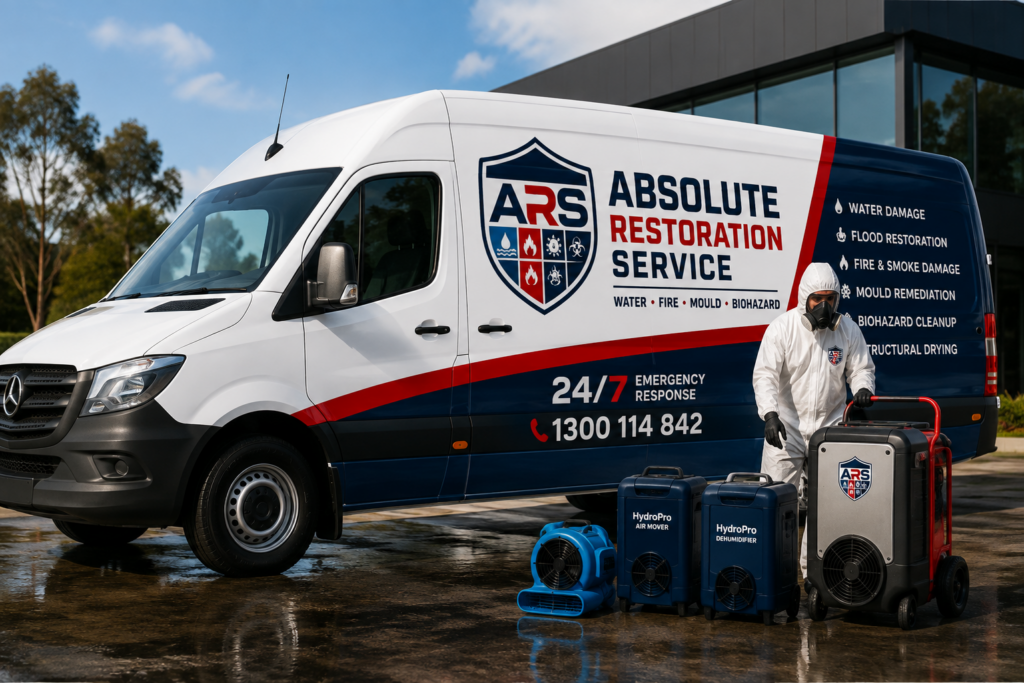
ARS provides professional mould and moisture restoration support across Melbourne and selected Victorian locations.
Materials and Contents We Assess
- Metal walls, ceilings and structural surfaces
- Timber floors, framing and cabinetry
- Fibreglass and coated surfaces
- Carpet, underlay, upholstery and cushions
- Foam, insulation and acoustic linings
- Cardboard packaging and stored goods
- Marine headliners and wall coverings
- Tools, equipment and non-sensitive contents
Some specialist cargo, electronics, documents, food products or high-value items may require assessment by an appropriate conservator, insurer or industry specialist.
Reducing Future Mould and Condensation
- Repair leaks and defective seals before storage
- Dry the boat or container and contents before closing
- Provide cross-ventilation where security and weather protection permit
- Use correctly sized dehumidification or moisture-control systems
- Keep stored goods away from cold walls and the floor
- Use pallets or shelving to improve airflow
- Manage drainage and ground moisture around containers
- Inspect regularly for condensation, corrosion and musty odours
- Monitor humidity during long-term storage
Why Choose Absolute Restoration Service?
- More than 20 years of restoration and remediation experience
- IICRC-trained restoration technicians
- Professional moisture-detection, drying and HEPA-filtration equipment
- Experience with enclosed, moisture-affected environments
- Clear scopes and practical moisture-control recommendations
- Melbourne service with selected regional Victorian attendance
Related Mould and Moisture Services
- Mould Removal Melbourne
- Commercial Mould Removal Melbourne
- Mould Testing Melbourne
- Water Damage Restoration Melbourne
- Structural Drying Melbourne
- Indoor Air Quality Services
- Restoration Services Melbourne
Boat and Shipping Container Mould FAQs
Why does mould return inside a boat or container?
Mould commonly returns when condensation, leaks, damp contents or insufficient ventilation continue to provide moisture after cleaning.
Can you remove mould from cushions and fabrics?
Suitability depends on the material, contamination, condition and replacement value. Some items can be remediated, while heavily affected porous contents may not be practical to retain.
Do you remediate mould-affected cargo?
We can assess many general stored contents. Specialist cargo, food, electronics, documents or high-value goods may require an insurer or appropriate specialist.
Can the container remain on site during remediation?
Often yes, provided there is safe access, suitable power where required and enough working space. Site conditions are reviewed before the scope is confirmed.
Do you repair boat leaks or damaged container roofs?
No. We identify relevant moisture evidence and provide restoration recommendations, but marine, structural and roofing repairs should be completed by the appropriate trade.
Do you service locations outside Melbourne?
Selected regional Victorian projects may be available depending on location, access, project size and scheduling. Contact ARS to discuss the site.
Book a Boat or Container Mould Inspection
Early assessment can reduce damage to linings, timber, fabrics, cargo and stored contents while helping identify the moisture conditions behind the mould.