MELBOURNE WATER DAMAGE AND MOULD GUIDE
Yes, water damage can cause mould when building materials remain damp long enough to support growth. Leaks, flooding, stormwater, appliance failures and condensation can wet plasterboard, timber, carpet, insulation, cabinetry and concrete interfaces. If moisture is not located and managed, mould may develop on visible surfaces or inside concealed areas.
The practical response is not to wait for a musty smell or visible growth. Stop the source where it is safe to do so, address immediate hazards, document the damage and begin an appropriate moisture assessment.
For professional assistance in Melbourne, call 1300 114 842 or visit our water damage restoration service.
Why Water Damage Can Lead to Mould Growth
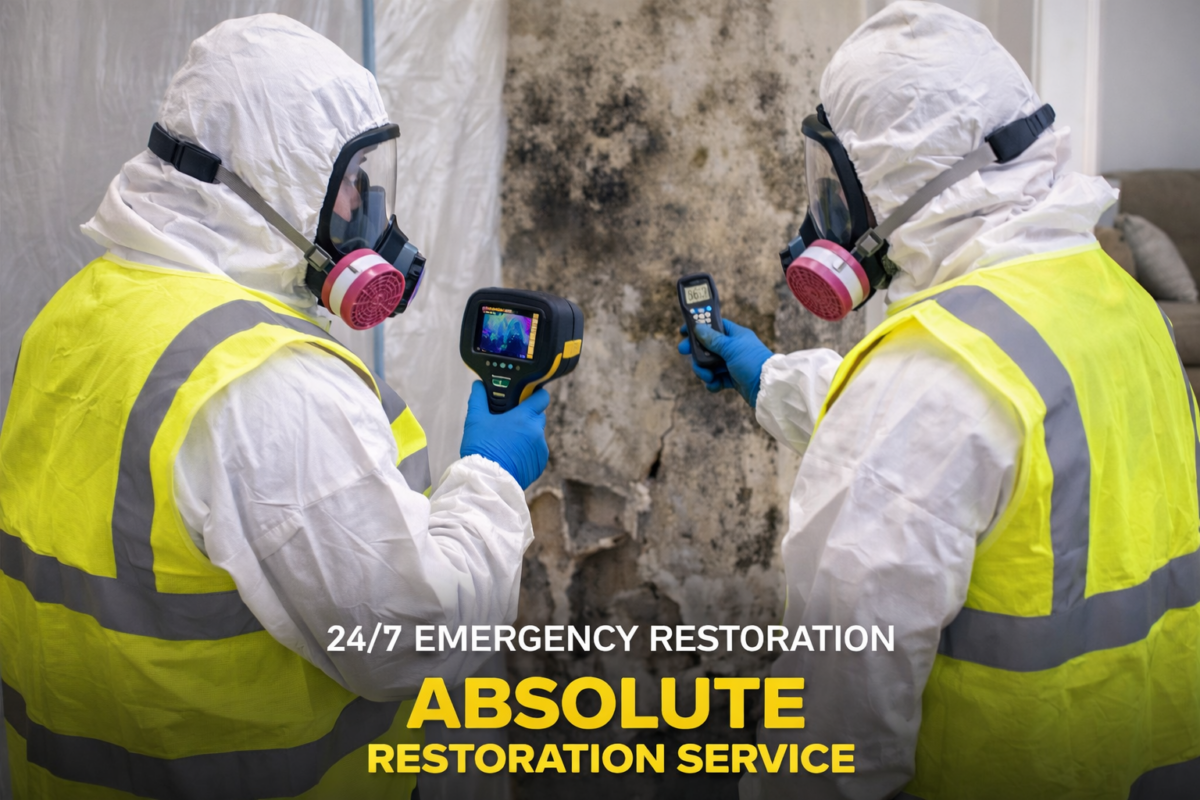
Mould spores are a normal part of the environment. Growth becomes more likely when sufficient moisture is available on a suitable material. Many building products contain organic material or collect dust that can support growth, including paper-faced plasterboard, timber, carpet backing and contents.
The important variable is persistent moisture. A brief spill that is fully removed and dried is different from water that migrates beneath flooring, enters a wall cavity or remains inside insulation. Temperature, ventilation, material type and the original contamination level also influence what happens.
How Quickly Can Mould Develop After Water Damage?
There is no universal countdown that applies to every building. Mould can begin developing relatively quickly under favourable conditions, but the timing varies with the amount of water, material, temperature, airflow and pre-existing conditions. Statements such as “mould always starts at exactly 24 or 48 hours” are too absolute.
The safe restoration principle is simple: investigate and dry affected materials promptly. Waiting for visible mould can allow moisture to migrate further and increase the amount of material requiring restoration.
Common Water-Damage Sources
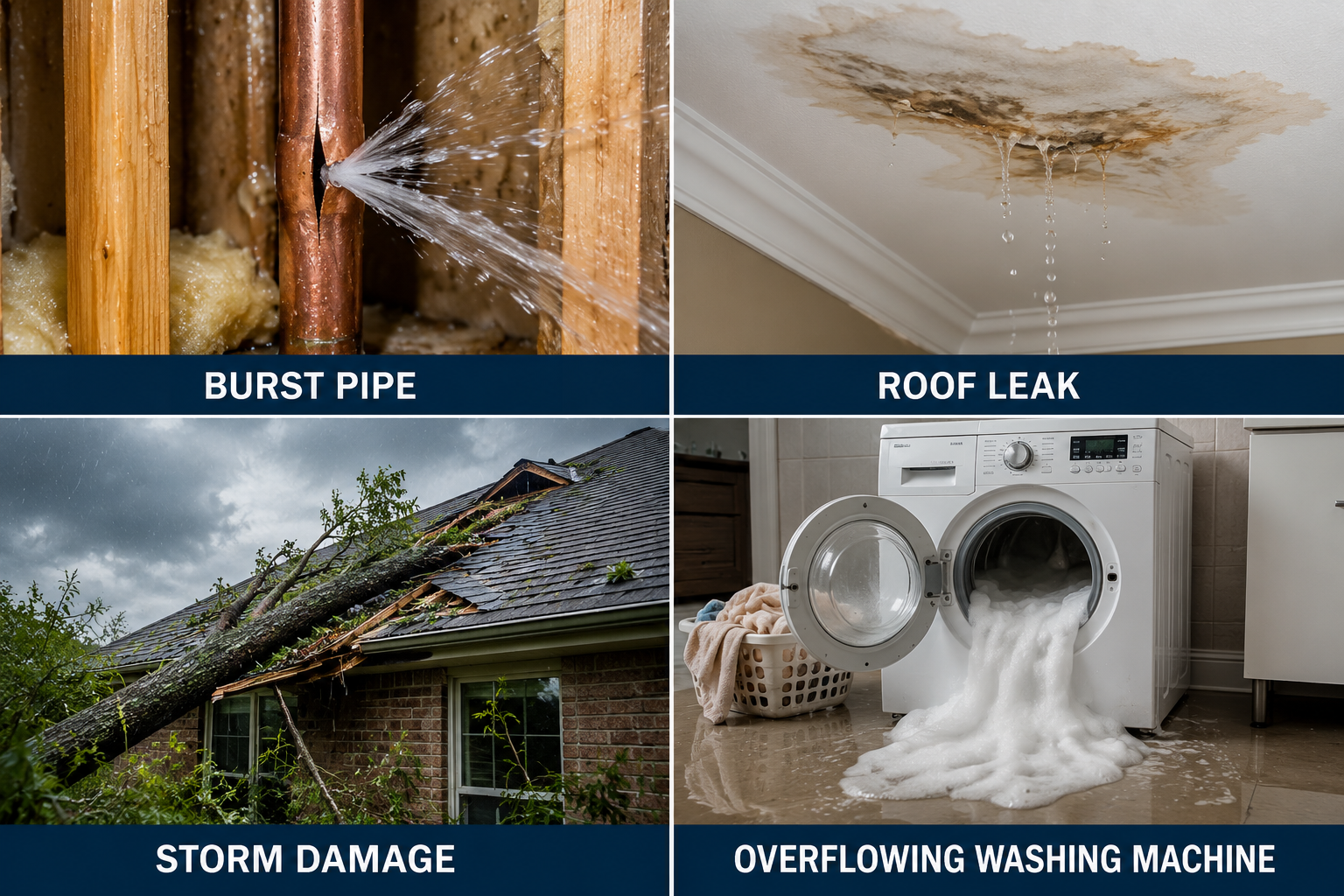
- Burst or leaking water pipes
- Failed flexi hoses and appliance connections
- Overflowing baths, sinks, toilets or washing machines
- Roof, gutter, balcony and stormwater entry
- Failed waterproofing around wet areas
- Air-conditioning and refrigeration leaks
- Groundwater, subfloor dampness and drainage problems
- Fire-suppression water after a building incident
The source and water category affect the restoration method. Sewage, stormwater and other contaminated water require additional safety controls and should not be handled as an ordinary clean-water spill.
Where Moisture Can Remain Hidden
A surface can feel dry while moisture remains behind or below it. Common concealed locations include wall cavities, skirting interfaces, insulation, floating floors, underlay, carpet edges, cabinetry kickboards and the junction between a floor finish and concrete slab.
Moisture meters provide information about accessible materials, while thermal imaging can help identify temperature patterns requiring closer investigation. Neither method identifies every concealed condition or proves the cause by itself. Readings must be interpreted for the material and instrument used.
Warning Signs After a Leak or Flood
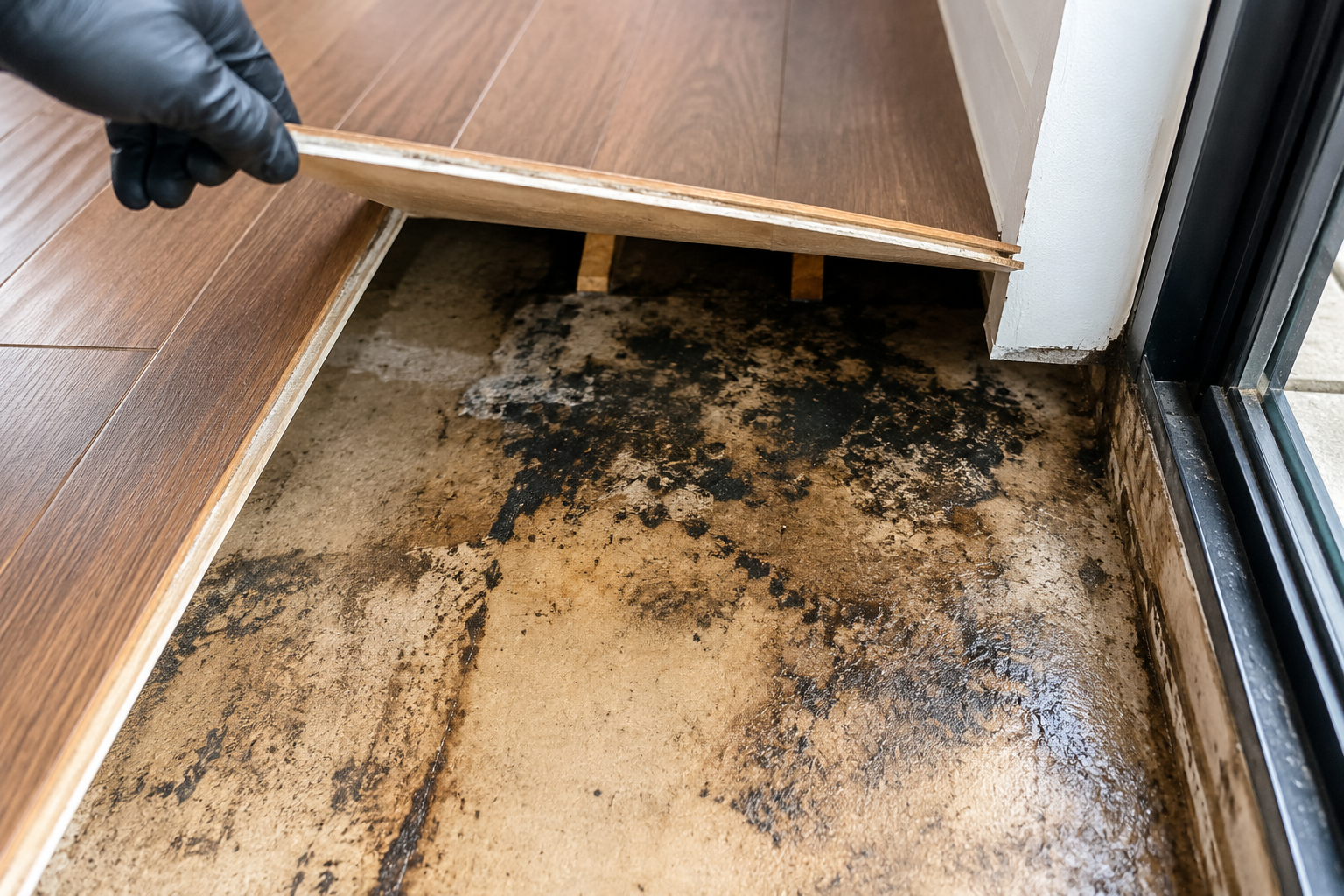
- Persistent musty or earthy odour
- New staining, bubbling paint or softened plasterboard
- Flooring that cups, lifts, moves or separates
- Damp carpet edges or swollen skirting boards
- Condensation or elevated indoor humidity
- Visible spotting or fuzzy growth
- Recurring damage after previous cleaning or repainting
These signs do not establish the full cause or extent. They indicate that the property may need further inspection.
Why Surface Drying May Not Be Enough
Opening windows or using household fans may assist with a small, clean-water spill after the source has been stopped. They do not confirm that a wall cavity, subfloor or concrete interface has dried. Uncontrolled air movement may also be inappropriate where contaminated water or established mould is present.
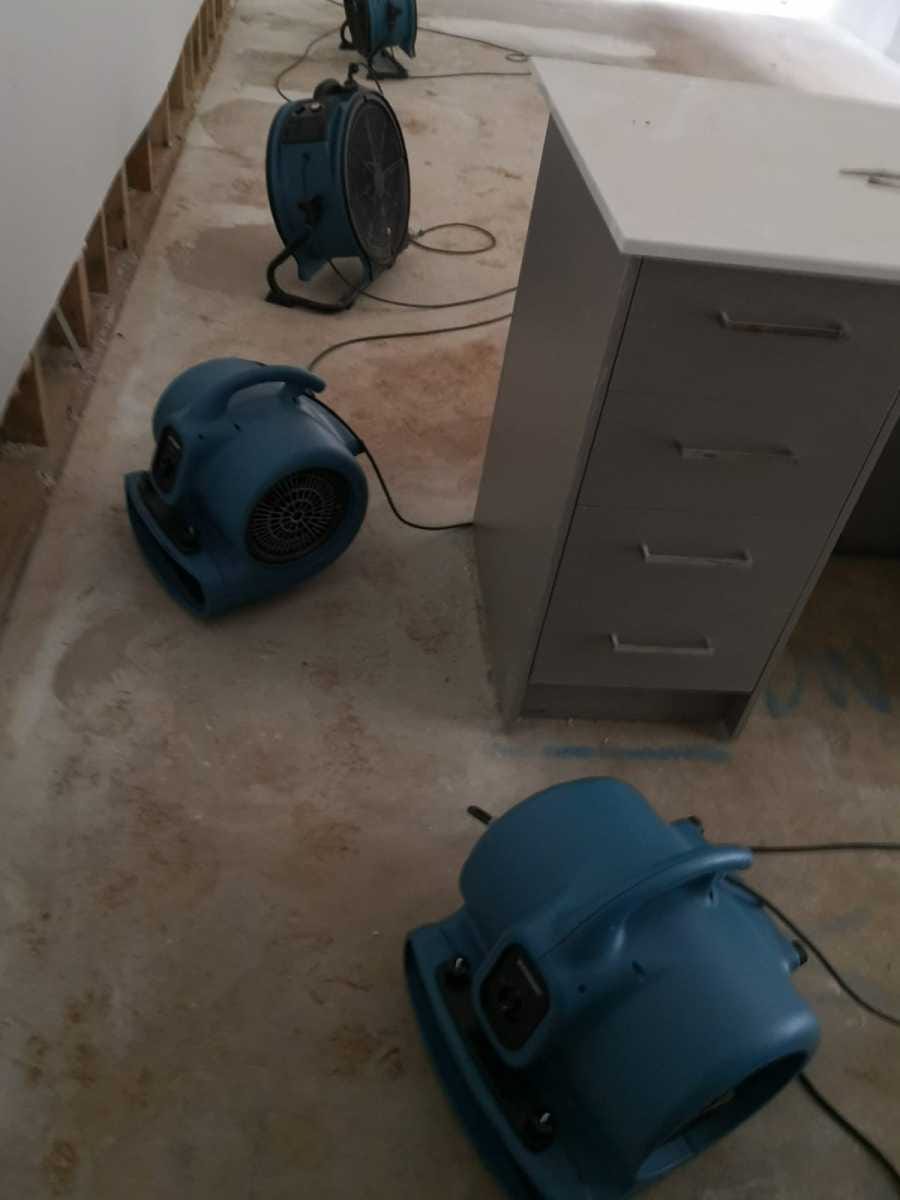
Professional drying uses measured conditions and equipment selected for the property. The aim is not simply to run machines for a fixed number of days; it is to monitor accessible materials and adjust the drying strategy as the project progresses.
Professional Water-Damage Restoration Process
- Safety and source review: Identify active water, electrical, structural, sewage and access hazards.
- Inspection and moisture mapping: Document visible conditions and assess accessible affected materials.
- Water extraction: Remove accessible standing water where safe and authorised.
- Material decisions: Identify materials that may be restored and those requiring controlled removal.
- Drying setup: Establish suitable dehumidification and airflow, considering containment and property use.
- Monitoring: Review moisture conditions and equipment performance where required.
- Handover: Record completed work and recommend repairs or further investigation.
What If Mould Has Already Developed?
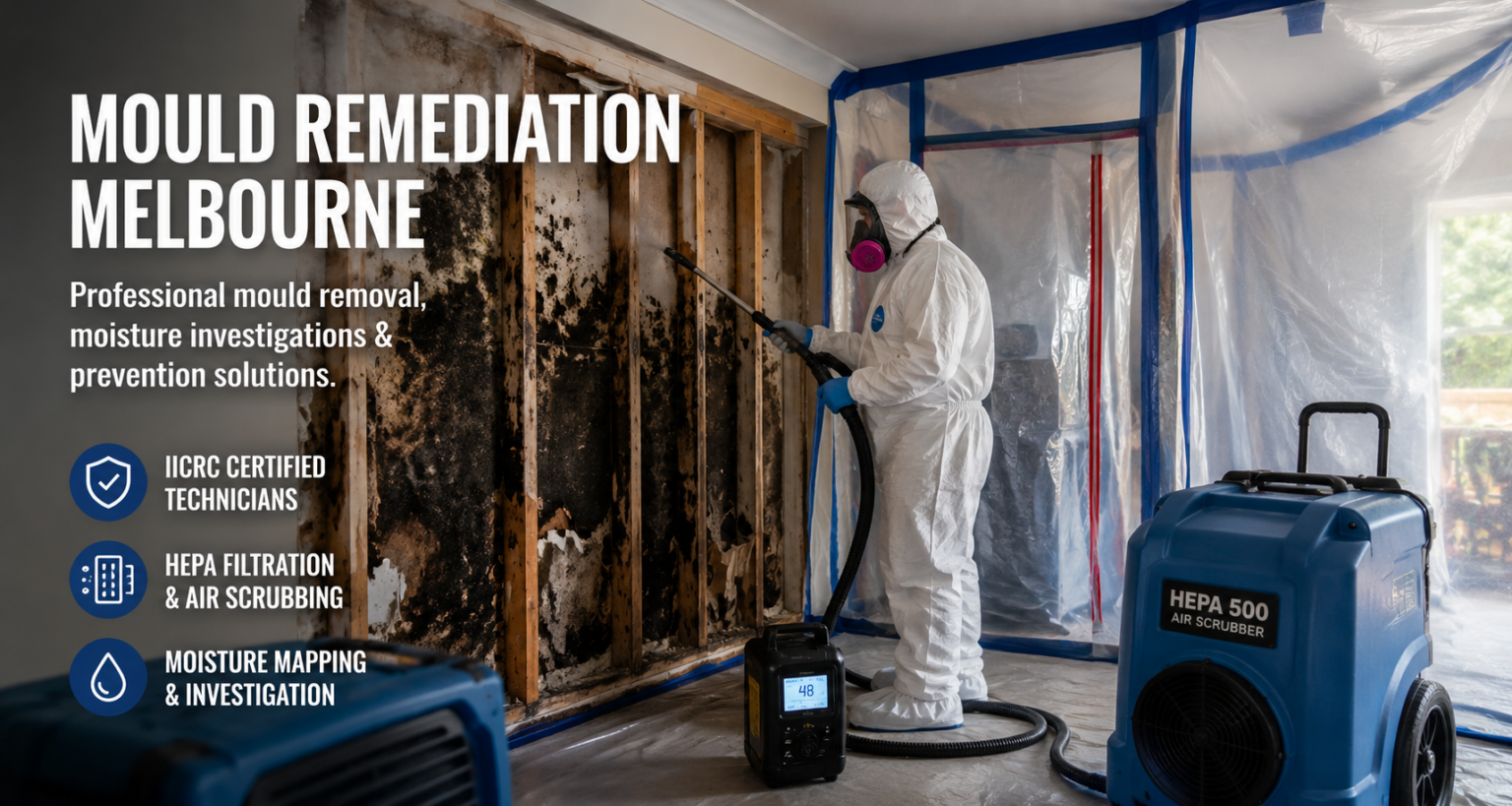
When mould is present, drying alone may not address contaminated porous materials or settled particles. The work scope may require controlled access, containment, HEPA-filtered air management, removal of unsalvageable affected materials where authorised, detailed HEPA vacuuming and suitable surface cleaning.
Our IICRC-trained technicians adapt the controls to the location and agreed scope. Visible mould colour does not identify the species or establish a health risk, and a remediation contractor should not make medical conclusions based on appearance.
Can Proper Drying Prevent Mould?
Prompt source control, extraction and drying can reduce the conditions that support mould growth. However, no contractor can promise that mould will never occur. Results depend on the water source, material condition, access, time before intervention, building repairs and whether hidden areas were affected.
If the original leak remains active or the property continues to experience condensation, drainage problems or building water entry, recurrence remains possible.
Can Wet Carpet and Flooring Be Saved?
Salvageability depends on the water category, duration, backing, underlay, adhesive, subfloor, odour and physical condition. Clean-water incidents addressed promptly may allow some materials to be restored. Sewage-affected or deteriorated porous materials commonly require removal.
Replacement flooring should not be installed until the substrate has been assessed and is suitable for the chosen flooring system. The flooring installer should confirm compliance with the product and adhesive requirements.
Health and Indoor-Air Concerns
Dampness and mould can affect indoor environmental quality, but a restoration contractor does not diagnose illness or determine individual exposure. Anyone with health concerns should seek advice from an appropriately qualified healthcare professional. Immediate breathing difficulty or another medical emergency requires urgent medical assistance.
What to Do Immediately After Water Damage
- Do not enter if there is an electrical, structural, sewage or other immediate hazard.
- Stop the water source only when it is safe and within your ability.
- Contact the appropriate emergency service or licensed trade for urgent hazards and repairs.
- Photograph visible conditions before moving items, where safe.
- Notify the owner, property manager, owners corporation or insurer as required.
- Move unaffected contents away from the wet area if safe.
- Arrange moisture assessment when porous materials or concealed areas may be involved.
Will Insurance Cover Mould After Water Damage?
Coverage depends on the individual policy, cause of loss, exclusions, maintenance history, reporting time and insurer requirements. Sudden accidental water damage may be treated differently from gradual leakage, condensation or long-term maintenance issues.
ARS can provide restoration documentation within the agreed scope, such as photographs, accessible moisture readings, equipment records and work notes. We do not determine policy coverage or guarantee claim acceptance.
When to Call a Restoration Professional
Professional assessment is appropriate when water affects multiple rooms, ceilings, wall cavities, timber flooring, carpet underlay or cabinetry; when water has remained unnoticed; or when there is sewage, persistent odour or visible mould. It is also useful for apartments and commercial properties where access, shared building elements and documentation require coordination.
Call Absolute Restoration Service on 1300 114 842 or use the ARS contact form.
Water Damage and Mould FAQs
Can water damage cause mould?
Yes. Water damage can create the persistent damp conditions that support mould growth, particularly when porous materials or concealed cavities are not dried adequately.
How quickly can mould grow after water damage?
There is no single timetable for every property. Growth depends on moisture, temperature, material, ventilation and existing spores, so investigation and drying should begin promptly.
Can a wall or floor feel dry while moisture remains hidden?
Yes. Moisture can remain behind walls, beneath flooring, inside insulation and within porous materials even when exposed surfaces feel dry.
Will household fans dry water damage safely?
Fans may help with a small clean-water spill after the source is stopped, but they do not measure moisture or control contaminated water. Significant or concealed damage requires assessment.
Does insurance cover mould after water damage?
Coverage depends on the policy, cause, exclusions, maintenance history and reporting requirements. Contact the insurer promptly and obtain advice about the specific claim.
When should I call a water-damage restoration company?
Seek professional assistance when water affects porous materials, multiple rooms, ceilings, wall cavities or flooring, or when sewage, electrical hazards, odour or visible mould is involved.