Mould Removal and Water Damage Restoration Richmond

Absolute Restoration Service provides mould removal, moisture investigation and water-damage restoration for homes, apartments, rentals, strata properties and businesses in Richmond.

Whether the problem follows a plumbing leak, stormwater entry, appliance failure, condensation or an unresolved building defect, ARS assesses accessible conditions and develops a practical scope for extraction, drying and remediation.

Call 1300 114 842 for assistance in Richmond. For fire, medical danger, suspected gas, live electricity or structural instability, leave the area and call 000 first.

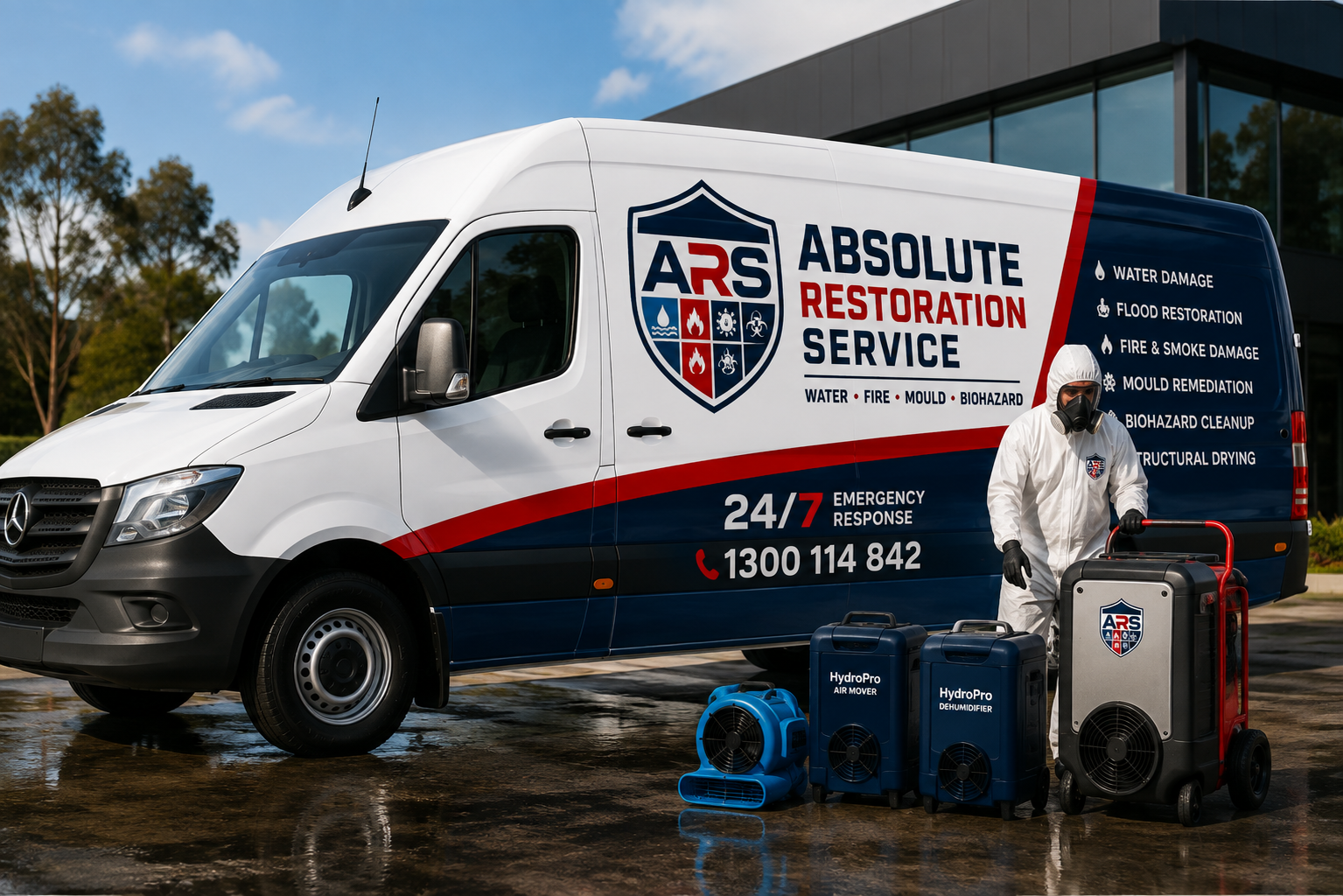
Absolute Restoration Service corporate van supporting mould and water damage restoration in Richmond
ARS supports residential, rental, strata and commercial restoration projects in Richmond.

Restoration Support for Richmond Properties

Richmond includes workers cottages, renovated homes, apartments, rentals, strata complexes, converted warehouses, offices and commercial premises. Moisture may enter through roofs and gutters, balconies, plumbing, shared services, façades, wet areas or stormwater pathways. Bayside humidity, glazing condensation and concealed service leaks can also contribute to persistent dampness and mould growth.

In strata buildings, access may be required to private lots, common property or shared services. ARS documents accessible restoration conditions but does not determine ownership boundaries, insurance coverage or legal responsibility.

Water Damage Restoration Richmond

Prompt assessment can help define the affected area and reduce avoidable secondary damage. The response depends on the water source, contamination category, materials, duration, access and safety conditions.

Our Water-Damage Process

  1. Initial safety review: identify electrical, structural, contamination and access concerns.
  2. Source coordination: confirm the water has stopped or arrange referral to the relevant licensed trade.
  3. Extraction: remove accessible standing water where safe and within scope.
  4. Moisture mapping: assess affected materials using suitable meters and site observations.
  5. Material assessment: determine what may be dried, cleaned, monitored or removed.
  6. Drying setup: position air movers, dehumidification and other equipment according to the project.
  7. Monitoring: review moisture readings and adjust the drying plan where required.
  8. Handover: document completed restoration work, limitations and remaining repair needs.

Water extraction does not replace plumbing, roofing, waterproofing, drainage, electrical or structural repairs. Those works require the appropriate licensed contractor.

Mould Removal Richmond

Mould remediation involves more than treating a visible surface. A suitable scope considers the moisture source, affected materials, containment, removal or cleaning methods, detailed cleaning and completion criteria.

ARS uses project-appropriate controls that may include work-area containment, suitable PPE, HEPA-filtered air management, controlled removal of affected porous materials and detailed cleaning of retained surfaces. No responsible contractor can promise to eliminate every naturally occurring mould spore from a building.

When to Request an Assessment

  • Visible or recurring mould
  • Persistent musty or damp odours
  • Water staining, bubbling paint or damaged plaster
  • Damp carpet, timber, cabinetry or stored contents
  • Condensation on glazing, walls or ceilings
  • A recent or historic leak, flood or stormwater event
  • Moisture suspected beneath flooring or inside wall systems

People with medical concerns should consult an appropriate healthcare professional. ARS assesses property conditions and does not diagnose illness or determine whether symptoms were caused by mould.
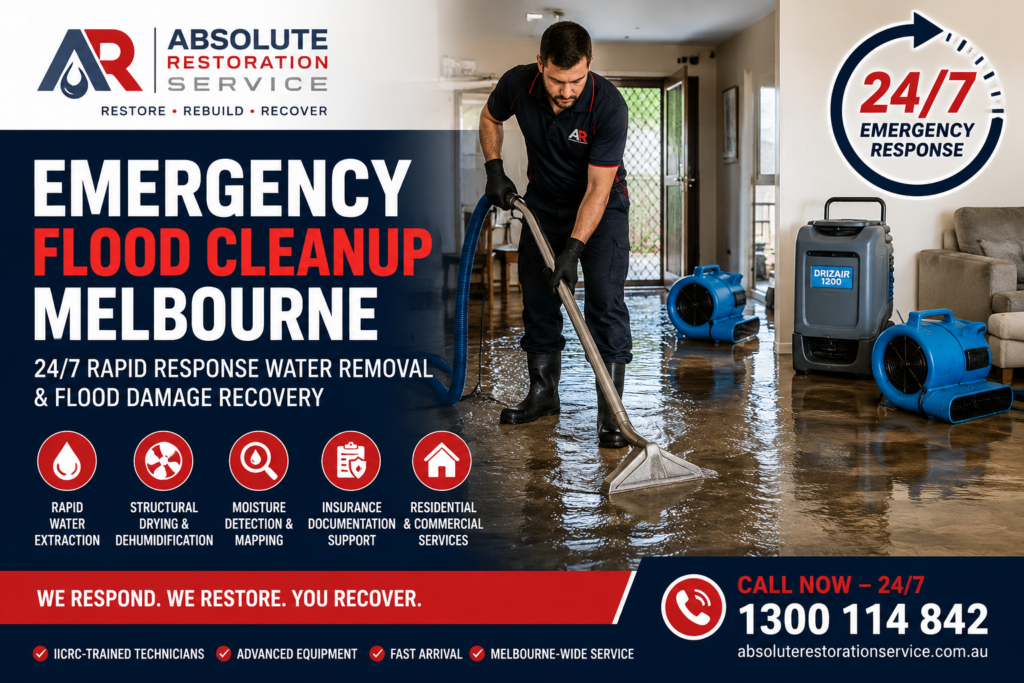
Water extraction and drying equipment used during an Richmond restoration project
Extraction and structural drying are planned around the affected materials and site conditions.
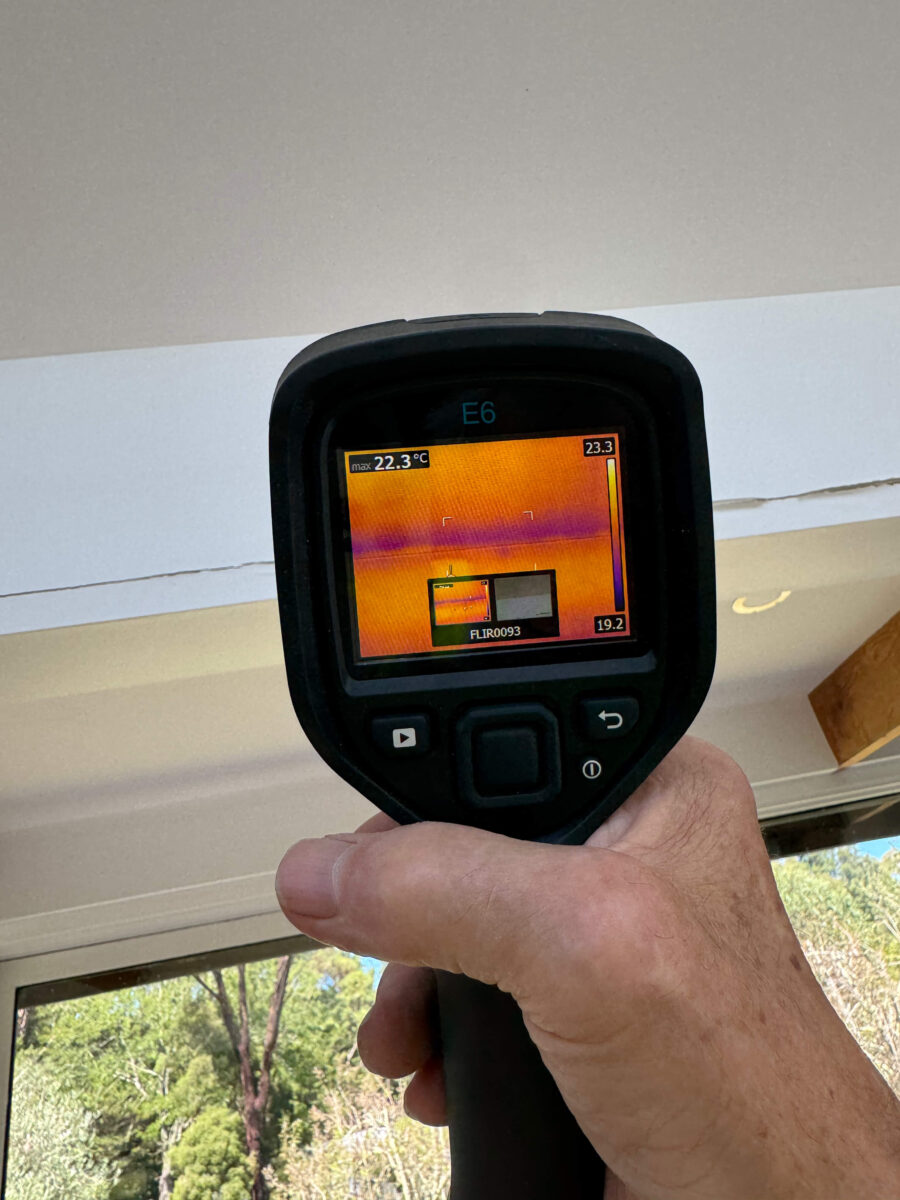
Thermal imaging used with moisture readings during an Richmond investigation
Thermal patterns are interpreted with moisture readings and site observations.

Moisture Investigation and Thermal Imaging

Moisture meters and thermal imaging can help define accessible affected areas and drying requirements. Thermal cameras record surface-temperature differences; they do not see through walls and do not directly detect mould or water. Patterns can be influenced by evaporation, insulation, air movement, sunlight, heating and plumbing routes.

Suspected anomalies are interpreted alongside moisture readings, visible conditions and available building information. Authorised investigation of concealed areas or assessment by an appropriate trade may be recommended when the source remains uncertain.

Residential, Rental, Strata and Commercial Work

ARS assists authorised owners, renters, property managers, owners-corporation representatives and business operators. Before attending, confirm access arrangements and identify any insurer, landlord, owners corporation or workplace requirements that affect the scope.

Commercial and apartment projects may require staged access, occupant communication, common-area protection, after-hours work or coordination with building management and other contractors.

Documentation and Project Limitations

ARS can document accessible conditions, readings, restoration activities and recommendations according to the agreed scope. Findings apply to accessible areas and conditions at the time of attendance. Concealed cavities, retained contents, finishes, recent cleaning, weather and limited access can affect what is observed.

Where independent post-remediation verification or sampling is required, it should be performed by an appropriately qualified party independent of the remediation contractor.

Related Melbourne Restoration Services

Request Restoration Assistance in Richmond

Call 1300 114 842 or contact Absolute Restoration Service online. Provide the property type, affected areas, known water source, safety concerns and any access or insurer requirements.

Richmond Restoration FAQs

What water damage do you attend in Richmond?

ARS assists with authorised restoration following plumbing leaks, appliance failures, roof or stormwater entry, overflowing fixtures and other water events. Electrical, structural or hazardous conditions must be made safe by the appropriate emergency service or licensed trade.

Do you remove mould from Richmond apartments and heritage homes?

Yes. ARS develops project-specific remediation scopes for authorised homes, apartments, rentals, strata and commercial premises, subject to access, building conditions and the affected materials.

Can thermal imaging find water behind walls?

Thermal imaging records surface-temperature patterns and does not see through walls or directly detect water. Suspected anomalies are checked with moisture readings, observations and available building information.

Does ARS repair plumbing or waterproofing defects?

ARS provides restoration, moisture assessment, drying and remediation. Plumbing, roofing, waterproofing, electrical and structural defects generally require the appropriate licensed trade.

Is mould sampling always required?

No. Sampling should answer a defined question and is not automatically required for visible mould or straightforward moisture damage. The method and limitations should be explained before collection.

How long will drying or mould remediation take?

Timeframes depend on the water category, affected materials, extent, access, moisture source, repair coordination and drying or remediation criteria. An assessment is required before a practical program can be proposed.