Methamphetamine Decontamination Melbourne
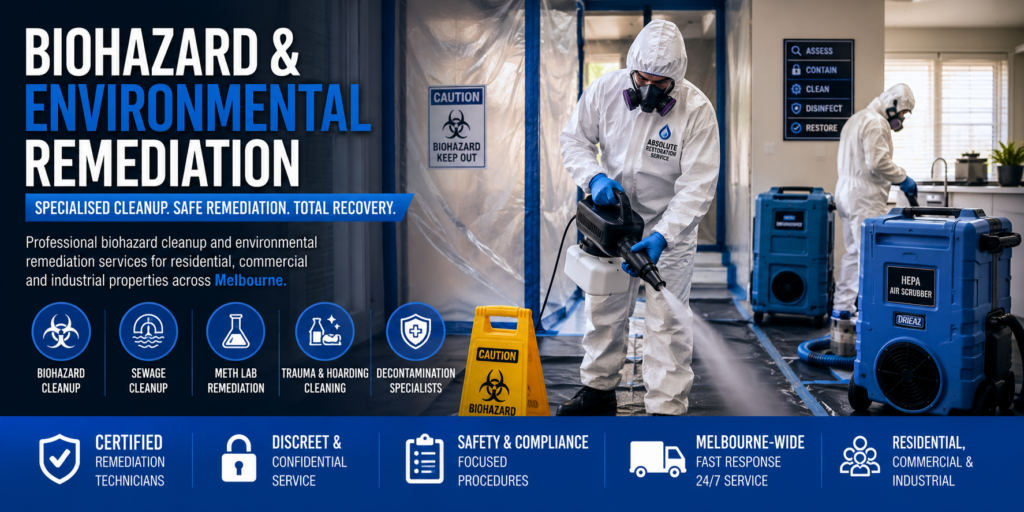
Professional Methamphetamine Decontamination Services Melbourne
Methamphetamine contamination can pose serious health risks to occupants and significantly reduce the value and safety of a property. Absolute Restoration Service provides professional methamphetamine decontamination services throughout Melbourne, helping homeowners, landlords, property managers, real estate agents, commercial property owners, and government agencies restore contaminated properties to a safe and habitable condition.
Our experienced technicians utilise industry-approved testing, assessment, cleaning, and decontamination procedures to identify and remove methamphetamine residues from affected properties. Whether contamination has resulted from methamphetamine use, manufacture, or long-term occupancy by drug users, our team can provide comprehensive remediation solutions designed to meet Australian standards and industry best practices.
What Is Methamphetamine Contamination?
Methamphetamine contamination occurs when methamphetamine smoke, vapours, or manufacturing residues settle on building surfaces and contents. Contamination can affect:
- Walls and ceilings
- Flooring and carpets
- Curtains and soft furnishings
- Air conditioning systems
- Kitchen and bathroom surfaces
- Roof cavities
- Subfloor areas
- Furniture and household contents
Even properties that have never been used as clandestine drug laboratories may become contaminated through repeated methamphetamine use. Invisible residues can remain on surfaces for years and continue to expose occupants to harmful substances.
Health Risks Associated with Methamphetamine Contamination
Exposure to methamphetamine residues may cause a variety of health concerns, particularly for children, elderly occupants, and individuals with respiratory conditions.
Potential symptoms may include:
- Headaches
- Eye irritation
- Skin irritation
- Persistent coughing
- Respiratory issues
- Sleep disturbances
- Fatigue
- Nausea
- Behavioural changes
- Increased sensitivity to chemicals
Because contamination cannot be reliably detected through visual inspection alone, professional testing is often necessary to determine whether a property is affected.
Methamphetamine Testing and Assessment
Before commencing remediation works, our technicians conduct a comprehensive contamination assessment.
Our assessment process may include:
Initial Property Inspection
We evaluate the property for signs of contamination, previous drug activity, visible residue, staining, chemical odours, and other indicators of methamphetamine use or manufacture.
Surface Sampling
Professional surface testing may be undertaken to determine contamination levels and identify affected areas within the property.
Risk Assessment
Our team assesses contamination severity and develops an appropriate decontamination strategy based on the findings.
Detailed Reporting
Clients receive clear reporting and recommendations regarding contamination levels, remediation requirements, and ongoing management.
Our Methamphetamine Decontamination Process
Absolute Restoration Service follows a structured remediation process designed to remove contamination and restore the property to safe occupancy standards.
Site Preparation
Affected areas are isolated to prevent cross-contamination during the cleaning process.
HEPA Vacuuming
All accessible surfaces are thoroughly cleaned using specialist HEPA-filtered equipment designed to capture fine particulate contamination.
Detailed Surface Cleaning
Walls, ceilings, floors, cabinetry, fixtures, fittings, and other contaminated surfaces are professionally cleaned using industry-approved decontamination methods.
HVAC and Ventilation Cleaning
Heating, cooling, and ventilation systems may require specialised cleaning to remove contamination from ducting and air circulation systems.
Contents Cleaning
Where appropriate, affected furniture and contents can be assessed and cleaned to reduce contamination risks.
Post-Decontamination Verification
Following remediation, verification testing may be undertaken to confirm the effectiveness of the decontamination process and provide confidence that contamination levels have been significantly reduced.
Residential Methamphetamine Decontamination
We provide methamphetamine remediation services for:
- Houses
- Apartments
- Townhouses
- Rental properties
- Investment properties
- Public housing
- Strata properties
Property owners and landlords often discover contamination during tenant changeovers, property sales, insurance investigations, or routine inspections.
Commercial Methamphetamine Decontamination
Commercial and industrial properties may also be affected by drug use or illegal manufacturing activities.
We provide remediation services for:
- Offices
- Warehouses
- Factories
- Retail premises
- Healthcare facilities
- Schools
- Community facilities
- Government buildings
Property Management and Real Estate Support
Absolute Restoration Service works closely with:
- Property managers
- Real estate agencies
- Landlords
- Building managers
- Government departments
- Insurance providers
Our team can assist with contamination assessments, remediation planning, reporting requirements, and property reinstatement following decontamination.
Why Choose Absolute Restoration Service?
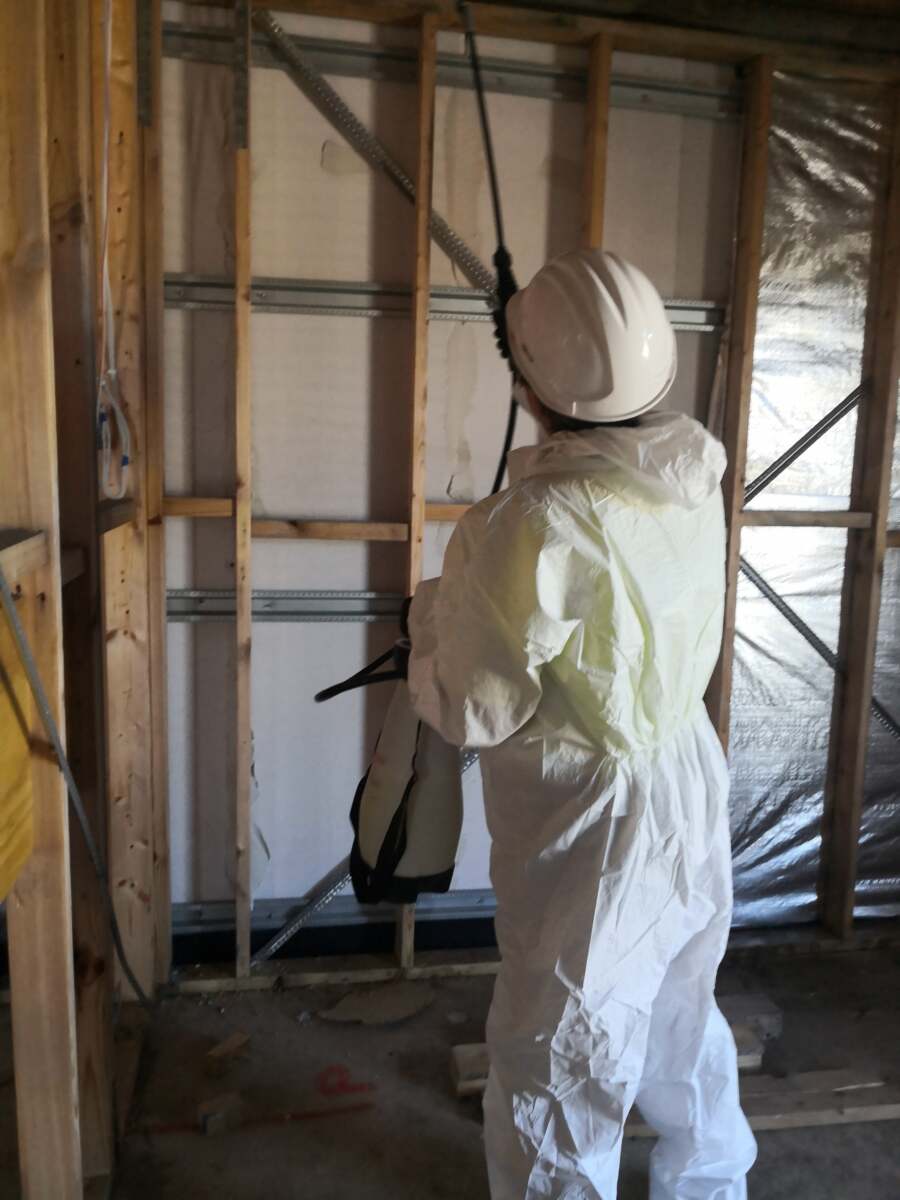
Professional remediation of mould contamination affecting structural timber.
Experienced Technicians
Our team has extensive experience managing complex contamination and remediation projects across Melbourne.
Advanced Equipment
We utilise professional-grade testing and cleaning equipment to deliver effective remediation outcomes.
Comprehensive Service
From testing and assessment through to final remediation, we provide complete contamination management solutions.
Melbourne-Wide Coverage
We service residential, commercial, industrial, and government clients throughout Melbourne and surrounding areas.
Fast Response
Prompt action helps minimise health risks and supports faster property recovery and reoccupation.
Related Services
Absolute Restoration Service also provides:
- Mould Inspection Melbourne
- Mould Removal Melbourne
- Water Damage Restoration Melbourne
- Indoor Air Quality Assessment Melbourne
- Sub Floor Ventilation Melbourne
- Moisture Investigation Melbourne
- Fire & Smoke Damage Restoration Melbourne
Frequently Asked Questions
How do I know if a property is contaminated with methamphetamine?
Methamphetamine contamination is often invisible. Professional testing is the most reliable method of determining whether contamination is present.
Can methamphetamine contamination affect property value?
Yes. Contamination can significantly impact property value, saleability, rental income, and occupant safety until remediation has been completed.
Can contaminated properties be cleaned?
In many cases, professional decontamination can successfully reduce contamination levels and restore a property to a safe condition.
Do you provide testing and remediation?
Yes. Absolute Restoration Service can assist with contamination assessment, testing, remediation planning, and decontamination services throughout Melbourne.
Contact Absolute Restoration Service
If you suspect methamphetamine contamination in a residential, commercial, or industrial property, contact Absolute Restoration Service today for professional assessment and remediation services.
Phone: 1300 114 842
Website: https://absoluterestoration.com.au