Indoor air quality testing in Melbourne is most useful when it is designed to answer a defined property question. Temperature, humidity, carbon dioxide, particulate matter, volatile compounds and biological samples describe different aspects of an indoor environment; no single reading explains every building or occupant concern.
This guide explains what an indoor air quality assessment can measure, when sampling may be appropriate, how results should be interpreted and where moisture, ventilation, remediation or medical expertise may also be required.
What Is Indoor Air Quality Testing?
Indoor air quality testing is a planned process of observing and measuring selected indoor conditions. The assessor should begin with the property history, occupancy, ventilation, reported odours or events and the decision the results are intended to support.
Testing may involve direct-reading instruments, data logging, air or surface samples and laboratory analysis. Instrument quality, calibration, sampling location, duration and comparison data all affect interpretation.

What an Assessment May Measure
The appropriate parameters depend on the building and question. An assessment may consider:
- temperature and relative humidity to describe indoor moisture conditions at the time or over a logged period;
- carbon dioxide as one indicator influenced by occupancy and ventilation;
- particulate matter within the size range measured by the instrument;
- selected volatile organic compounds where the instrument or laboratory method is appropriate;
- air movement and ventilation performance using suitable measurement methods; and
- biological samples where a defined mould or microbial question justifies sampling.
A consumer monitor can show trends, but its display should not be assumed to have the accuracy, selectivity or calibration of professional instrumentation. A reading also needs context: room use, open windows, cooking, cleaning, outdoor air, recent activity and device location can change results.
Testing Is Not the Same as Investigation
Air testing describes selected air conditions or the contents of a particular sample. A building investigation examines moisture history, visible conditions, ventilation, construction and accessible materials. If mould, dampness or water damage is visible, locating and correcting the moisture source may be more useful than collecting an unidentified air sample.
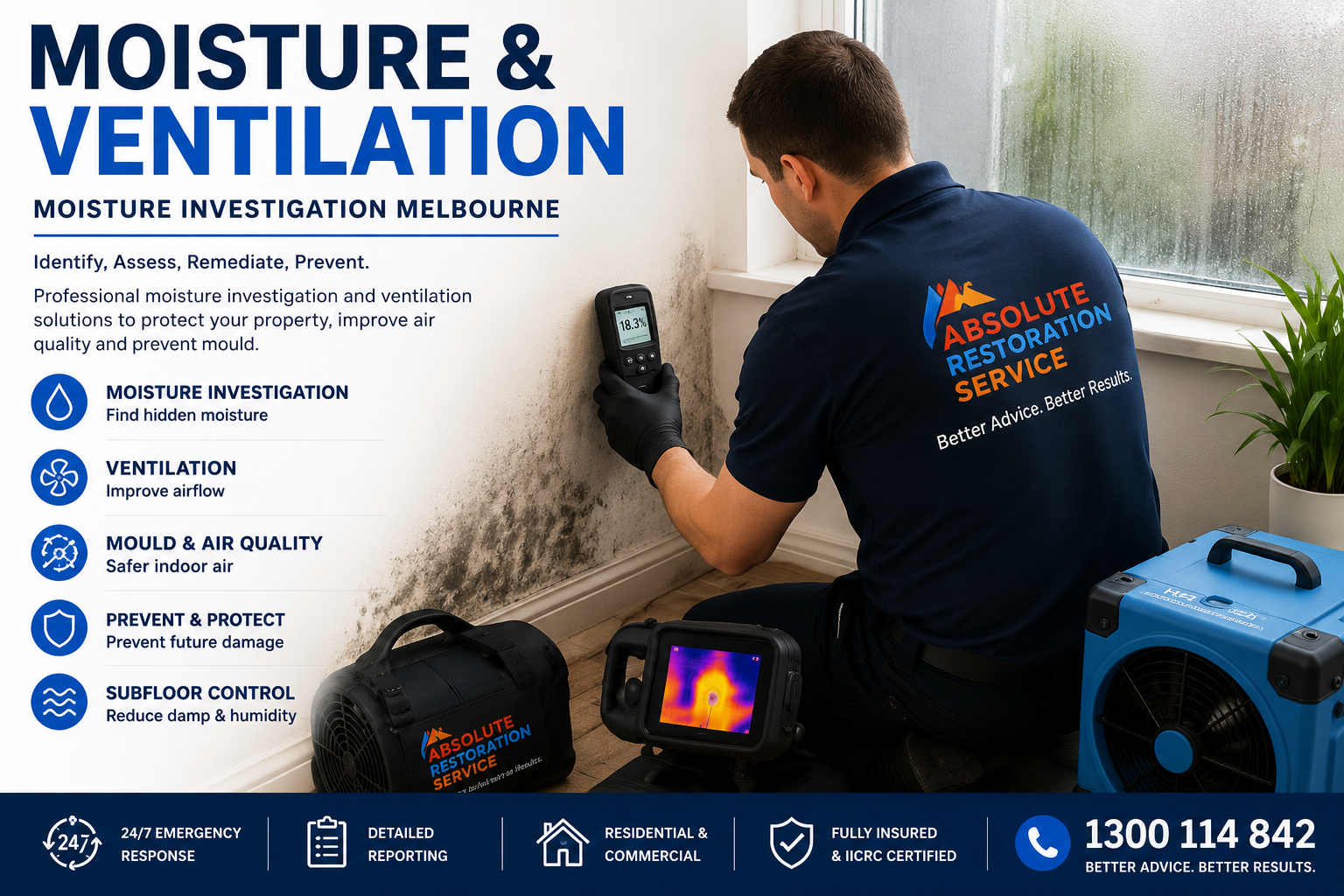
Our moisture investigation service uses visual evidence, material readings and thermal patterns to assess accessible building materials. Thermal imaging does not see through walls, measure moisture directly or identify mould.
Mould Sampling: What It Can and Cannot Show
Air or surface sampling may detect biological material in the collected sample. Results can be influenced by location, weather, ventilation, occupant activity, sampling duration and laboratory method.
A result does not by itself locate a leak, identify every affected material, establish the condition of inaccessible cavities or determine whether remediation is required. Colour also does not reliably establish mould species or health significance.
Sampling is most defensible when an assessor defines the question in advance and explains how the result will change a project decision.
When Indoor Air Quality Assessment May Be Useful
- persistent odours with no obvious source;
- recurring condensation or ventilation concerns;
- a defined concern following water damage or remediation;
- comparison of indoor conditions across rooms or operating modes;
- investigation of particulate or selected chemical sources;
- workplace, insurer or property-management questions with agreed objectives; or
- an independent assessor’s sampling plan for a complex project.
Testing is less useful when it is ordered without a question, appropriate method or interpretation plan. More samples do not automatically produce a clearer answer if the sampling design is weak.
Why One Reading Cannot Diagnose a Building
Indoor conditions change with time, occupancy, outdoor weather and building operation. A short carbon-dioxide or humidity reading may miss overnight, showering, cooking or closed-room patterns. A particle count can rise during cleaning or outdoor-air entry without identifying the source.
Useful assessment may require repeated measurements, data logging, outdoor or reference comparisons and observations of ventilation operation. Reports should state the instrument, method, location, timing, limitations and relevant contextual conditions.
Ventilation Assessment and Indoor Conditions
Ventilation helps dilute and remove moisture, odours and some indoor-generated pollutants. Assessment may consider exhaust fans, replacement-air paths, outdoor-air delivery, filtration, room use and whether systems operate as intended.
Carbon dioxide can support a ventilation review when interpreted with occupancy and outdoor conditions, but it is not a universal measure of every pollutant. Humidity also needs to be considered with temperature and surface conditions because condensation can occur locally at cold walls or windows.
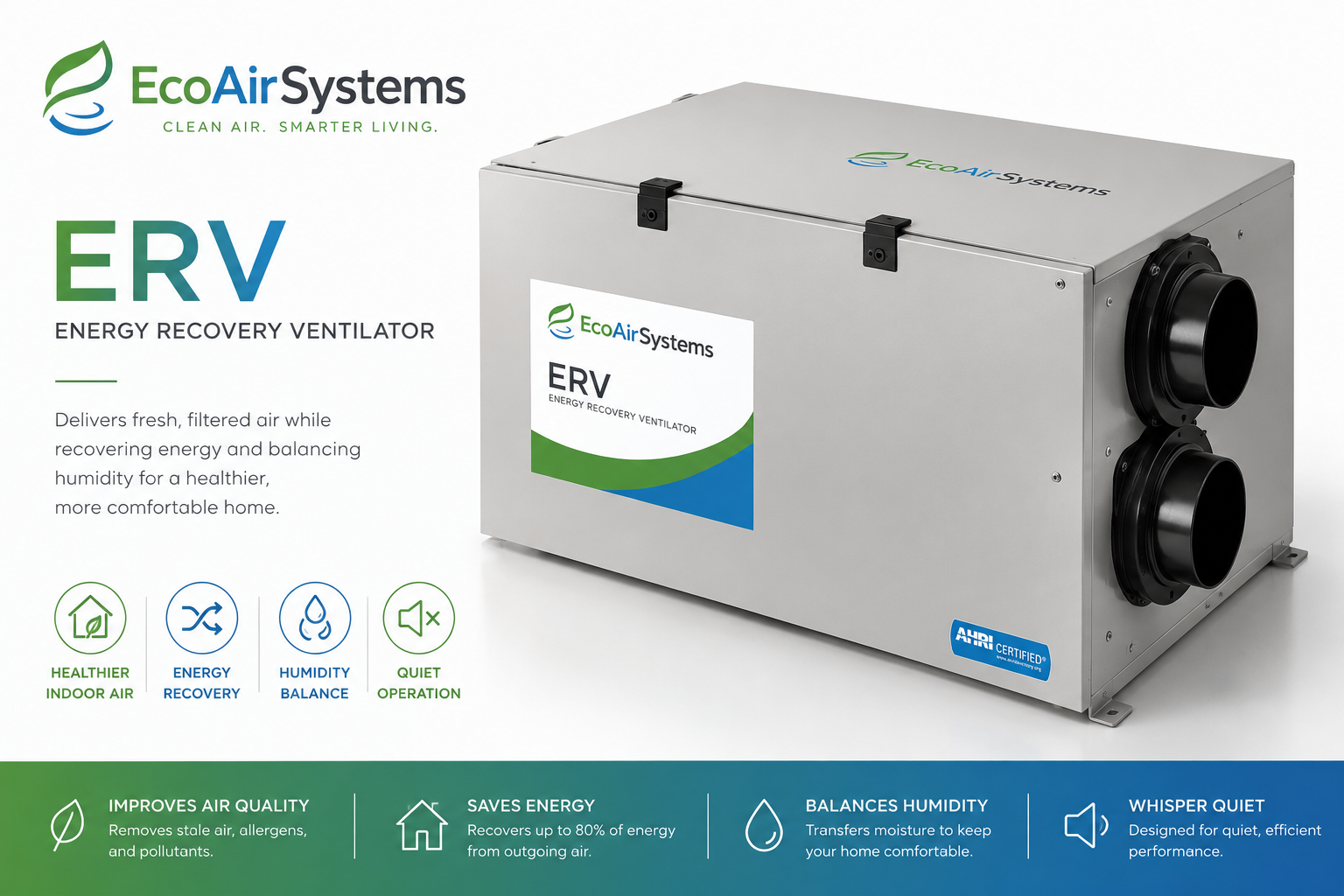
Where a property needs a designed outdoor-air solution, see our information about energy recovery ventilation and indoor-air-quality systems.
Our Indoor Air Quality Assessment Process
- Define the question: Record the concern, property history and decision the assessment must support.
- Review the building: Inspect accessible areas, ventilation, moisture evidence and relevant sources.
- Select measurements: Choose instruments, monitoring duration or samples appropriate to the objective.
- Collect contextual information: Note occupancy, weather, room use and system operation.
- Interpret results: Compare findings with the method, reference conditions and identified limitations.
- Recommend next steps: Identify ventilation adjustments, source repairs, moisture investigation, remediation or specialist referral where appropriate.
Health and Occupancy Limitations
Property testing does not diagnose illness, determine individual medical causation or decide whether a particular person should enter, remain in or return to a building. Health symptoms and exposure concerns should be discussed with an appropriately qualified healthcare professional.
Official Victorian information on environmental health is available from the Victorian Department of Health. Emergency symptoms or immediate hazards require the appropriate emergency or medical service.
Indoor Air Quality Testing in Melbourne
Absolute Restoration Service provides building-focused indoor air quality assessment, moisture investigation, mould services and ventilation guidance. The scope is selected for the property question rather than presented as a universal package or safety certificate.
Call 1300 114 842 or contact ARS to explain the concern, property history and outcome you need the assessment to support.
Frequently Asked Questions
What is indoor air quality testing?
It is the planned measurement or sampling of selected indoor conditions using methods matched to a defined question.
Can indoor air quality testing detect mould?
Sampling may detect biological material in a sample, but it does not by itself locate moisture or define all affected materials.
Is testing the same as a mould inspection?
No. Testing measures selected air conditions or samples; inspection examines building history, visible conditions and moisture.
Will one sample certify that a property is safe?
No. Conditions vary by room, time, ventilation, occupancy, weather and sampling method.
When is assessment useful?
It can assist with persistent odours, condensation, ventilation concerns, post-water-damage questions and defined property investigations.
Does indoor air quality testing diagnose health problems?
No. Health concerns should be discussed with an appropriately qualified healthcare professional.