What to Do When Mould Is Found
- Report it promptly. Notify the rental provider or property manager in writing and describe the location and extent.
- Document conditions. Take dated photographs and record leaks, condensation, plumbing events, storms, odours and previous repairs.
- Limit disturbance. Avoid dry brushing, sanding, painting over or unnecessarily disturbing extensive growth.
- Address active water safely. Report leaks immediately. Do not take risks near electricity, unstable ceilings or contaminated water.
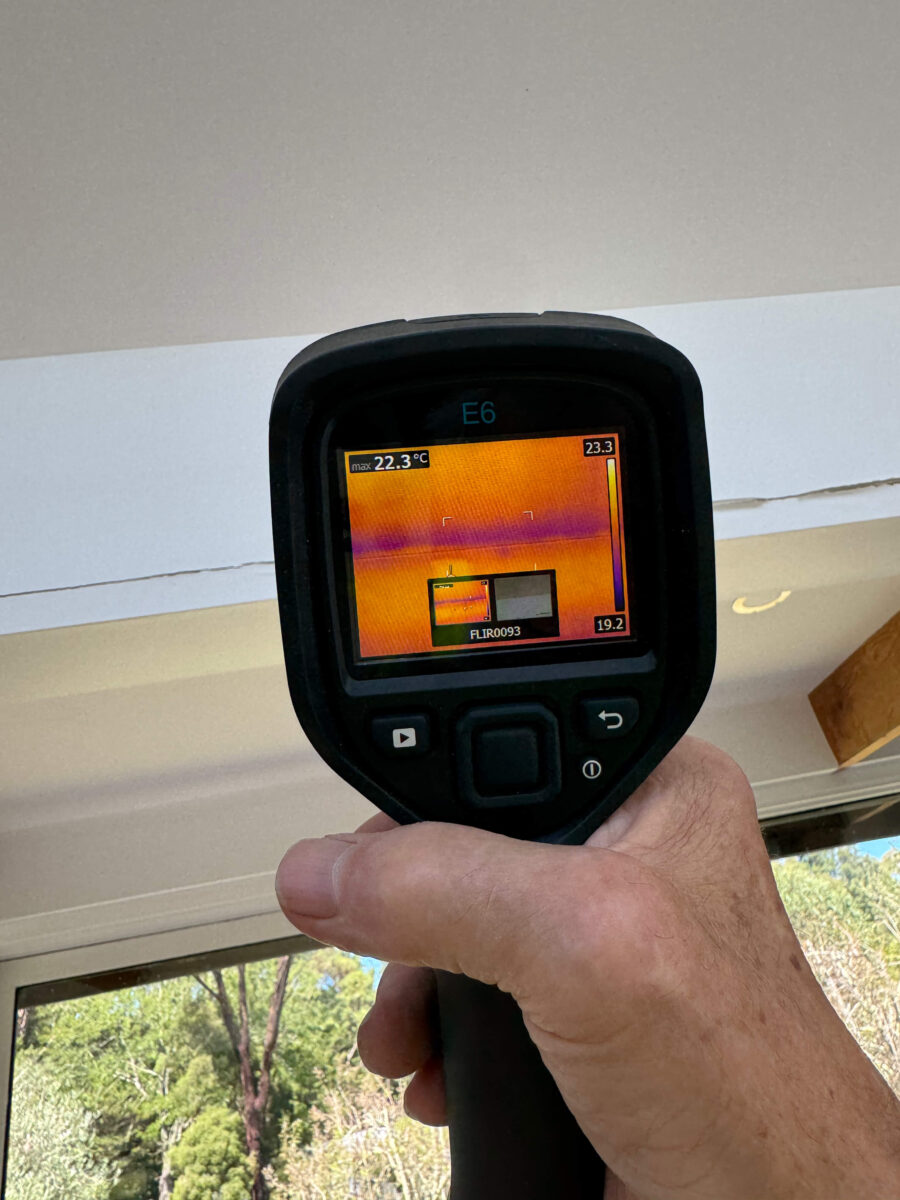
- Arrange the right assessment. Recurring or extensive mould may require moisture investigation, building repair and a defined remediation scope.
- Keep records. Save emails, reports, repair notices, invoices and photographs.
Who Is Responsible?
There is no universal answer. Consumer Affairs Victoria states that the law does not always say who must fix or pay for mould, and responsibility may depend on who contributed to the problem. If mould or damp is caused by or related to the building structure, a renter may be able to request an urgent repair.
Property-related contributors can include plumbing or roof leaks, failed waterproofing, stormwater entry, damaged materials, subfloor moisture and ventilation systems that are not functioning as intended. Occupancy and environmental factors can also affect indoor moisture.
ARS does not allocate fault between parties. Where required, obtain current advice from Consumer Affairs Victoria, a tenancy service or an appropriately qualified legal adviser.
Victorian Rental Minimum Standards
Victorian rental providers have obligations concerning rental minimum standards, with application depending on the agreement and commencement arrangements. Current requirements and repair options should be checked directly with Consumer Affairs Victoria.
See the official rental minimum standards and rental-property repair guidance.
Common Causes of Rental-Property Mould
- Plumbing, appliance or roof leaks
- Failed shower or balcony waterproofing
- Stormwater or external water entry
- Materials that remained wet after water damage
- Condensation on cold walls, windows or ceilings
- Inadequate or non-functioning extraction
- Subfloor and ground moisture
- Limited airflow around furniture or stored contents
- Building-envelope or drainage defects
Several factors may occur together. A moisture investigation can document patterns and likely pathways, while repair diagnosis may require a licensed plumber, roofer, waterproofing contractor or other relevant trade.