Strata Mould Removal Melbourne

Absolute Restoration Service provides mould inspection, moisture investigation and controlled remediation for apartment buildings, owners corporations and managed strata properties across Melbourne.

Strata mould projects often cross boundaries between private lots, common property and shared services. A practical response requires clear access authority, moisture-source investigation, stakeholder coordination and a scope that identifies who is responsible for each repair and restoration activity.

Call 1300 114 842 to discuss a strata inspection or remediation project.

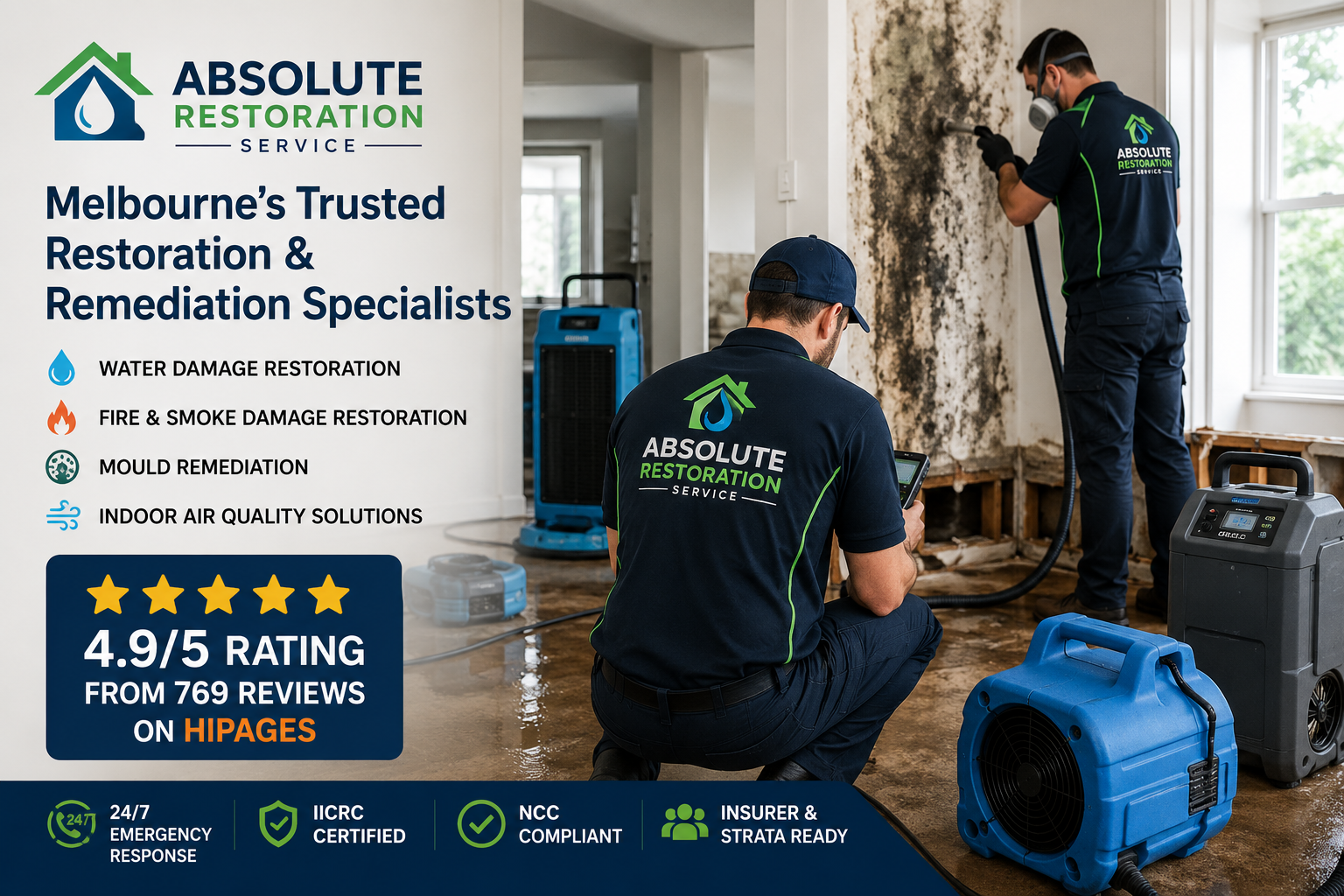
Absolute Restoration Service technicians performing mould remediation and water damage restoration in a Melbourne property using professional drying equipment, HEPA filtration systems, and restoration technology.

Strata mould projects may require coordinated inspection, containment, drying and remediation across several building areas.

Why Strata Mould Requires Coordinated Investigation

Water can move through slabs, wall cavities, ceiling spaces, risers, service penetrations and other shared building elements. Visible mould in one apartment may relate to conditions in an adjoining lot, the building exterior, common plumbing or ventilation.

Common contributors include:

  • roof, gutter and flashing defects;
  • balcony or wet-area waterproofing failures;
  • shared plumbing and drainage leaks;
  • stormwater or façade water entry;
  • condensation on cold surfaces;
  • inadequate or non-functioning extraction;
  • wet materials after flooding or sprinkler activation; and
  • historical water damage that was not fully dried.

Responsibility and Common-Property Boundaries

Responsibility should not be assumed from the location of visible mould. It may depend on the plan of subdivision, where the moisture originated, the affected building element, owners-corporation rules, maintenance duties, insurance and the available evidence.

Consumer Affairs Victoria provides current information about maintaining common property and maintaining individual lots.

ARS documents accessible moisture and mould conditions and provides restoration recommendations. We do not determine legal liability, lot boundaries, insurance coverage or owners-corporation governance.

Our Strata Mould Remediation Process

  1. Project briefing: affected lots, common areas, known water events, reports, stakeholders and approvals are reviewed.
  2. Access planning: keys, resident contacts, common-property authority and building rules are coordinated.
  3. Inspection and moisture mapping: accessible growth, materials, readings and likely moisture pathways are documented.
  4. Scope development: repair dependencies, containment, contents, work zones and sequencing are defined.
  5. Source coordination: plumbing, roofing, waterproofing, façade, drainage or HVAC defects are referred to appropriate contractors.
  6. Containment and remediation: affected materials are removed or cleaned using controls suited to the project.
  7. Drying and monitoring: wet structural materials are dried and monitored where included.
  8. Handover: completed work, limitations and outstanding repair or verification requirements are documented.
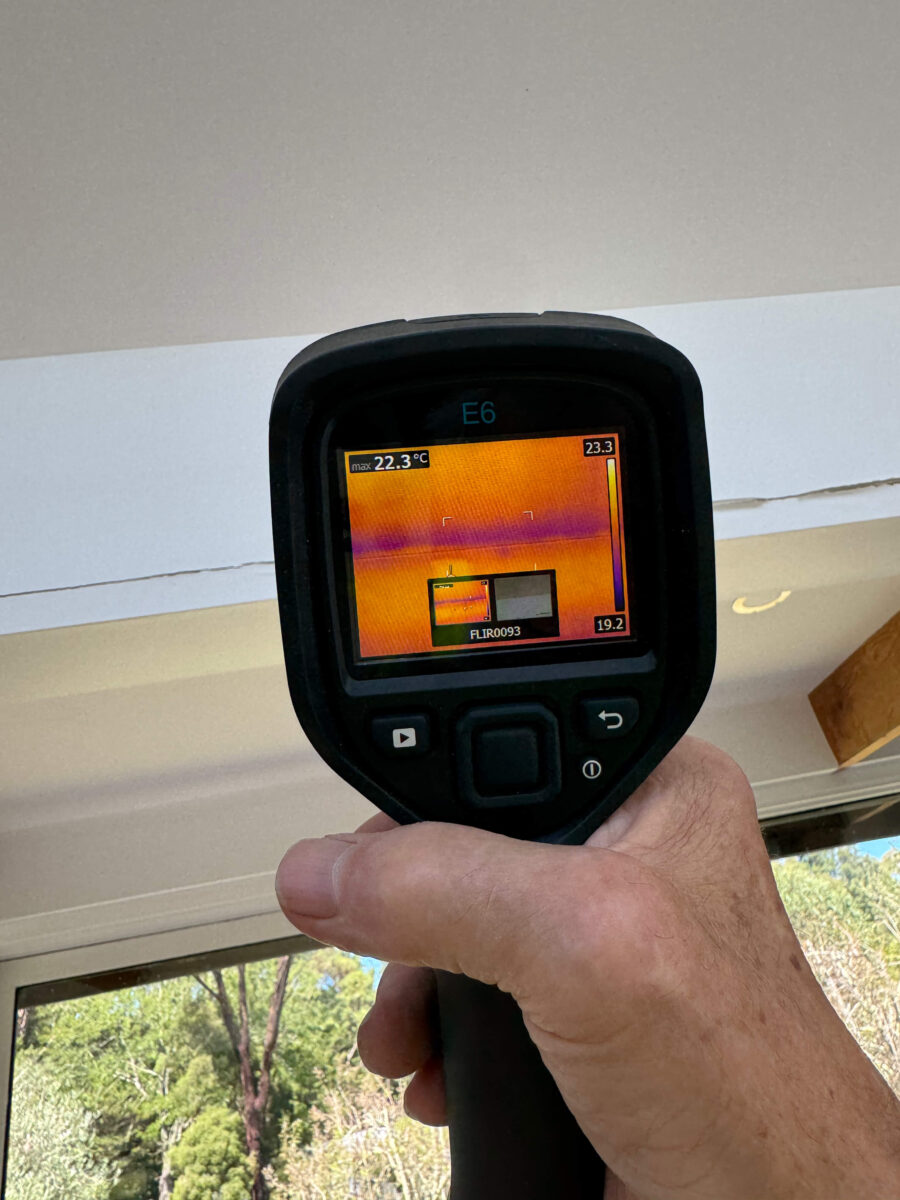
Thermal imaging used with moisture readings during a Melbourne strata mould investigation
Moisture mapping can help trace affected materials across accessible strata areas.
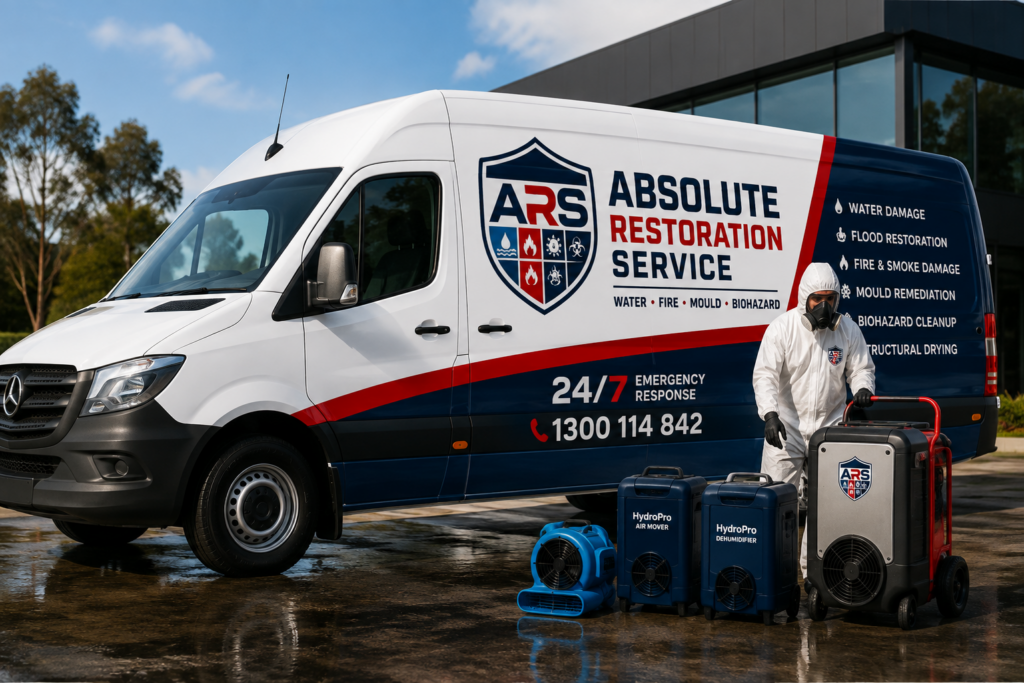
Absolute Restoration Service corporate van supporting Melbourne strata mould projects
ARS supports owners corporations, strata managers and authorised lot representatives.

Planning Around Residents and Shared Areas

Remediation may affect occupied apartments, corridors, lifts, loading areas, car parks or building services. Project planning can address resident notices, work hours, noise, security, lift protection, waste movement and temporary access restrictions.

Some work can be staged, but zero disruption cannot be guaranteed. The programme depends on contamination extent, source repairs, drying conditions, safe access and stakeholder approvals.

Inspection, Reporting and Verification

Reporting options depend on the agreed scope and may include photographs, moisture readings, mapped locations, accessible observations, limitations and recommended actions. A restoration report does not replace a plan-of-subdivision review, engineering report or legal advice.

Where independent post-remediation verification is required, the criteria and assessor should be agreed before remediation. The verifier should be appropriately qualified and independent of the remediation contractor when independence is specified.

Properties and Stakeholders We Assist

  • Apartment and townhouse developments
  • Mixed-use buildings
  • Owners corporations and strata committees
  • Strata and facilities managers
  • Lot owners and authorised property managers
  • Builders, insurers and loss adjusters

Insurance claim acceptance and funding decisions remain with the insurer and owners corporation. ARS can provide agreed restoration documentation but cannot approve a claim.

Related Strata Services

Request a Strata Mould Assessment

Call 1300 114 842 or contact Absolute Restoration Service online. Include the building suburb, affected lot or common area, known water source, access contacts and available reports.
Strata Mould Removal FAQs

Who is responsible for mould in a strata building?

Responsibility depends on the plan of subdivision, the moisture source, whether affected areas are common property or private lots, maintenance duties, insurance and the specific circumstances. ARS documents property conditions but does not determine legal liability.

Can moisture move between apartments and common property?

Yes. Water can migrate through slabs, wall cavities, service penetrations and shared building elements. Investigation may need access to more than one lot or common-property area.

What should a strata manager provide before inspection?

Useful information includes affected lot numbers, known leaks, previous reports, floor plans, access contacts, maintenance history, insurance details and authority to inspect common property or private lots.

Can remediation be staged around residents?

Often, but staging depends on contamination extent, access, noise restrictions, drying requirements and safety. Some areas may need temporary isolation or restricted occupancy.

Does ARS provide post-remediation verification?

Verification requirements should be agreed before work begins. Where independence is required, the assessment should be performed by an appropriately qualified party independent of the remediation contractor.

Should the owners corporation approve work before it begins?

The authorised party should confirm scope, access and approvals before non-emergency work begins. Urgent mitigation may require faster decisions, but governance, funding and insurance requirements remain matters for the owners corporation and its advisers.