
Elevated humidity and poor indoor air quality in apartments often result from a mismatch between moisture generation, outdoor-air exchange and cold building surfaces. Airtight construction can improve energy efficiency, but an apartment still needs controlled ventilation to remove water vapour, carbon dioxide, odours and other indoor-generated pollutants.
Orientation, adjoining buildings, ground-floor location, lack of cross-flow and normal household activities can all influence conditions. This guide explains why apartment humidity develops, what evidence to collect and how owners, renters, property managers and owners corporations can respond without assuming a single cause.
Why Apartment Humidity Can Remain Elevated
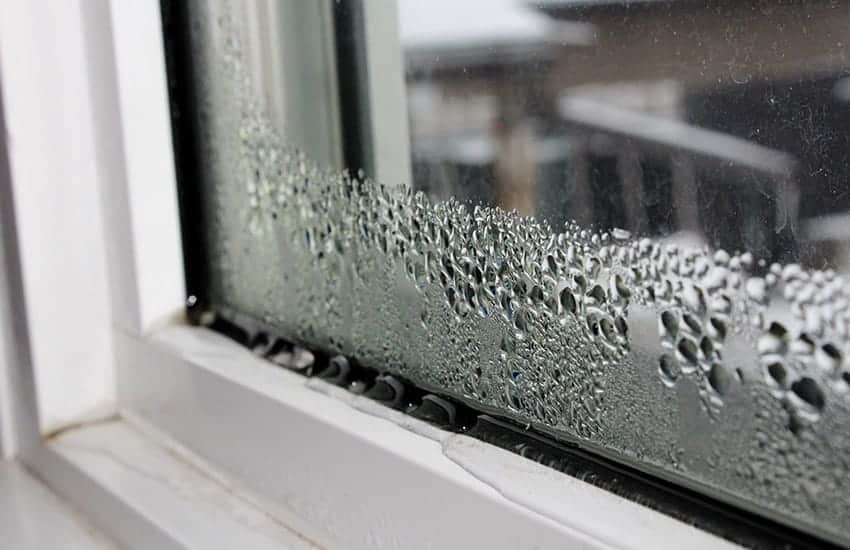
Apartments have smaller internal volumes than many detached homes and often rely on a limited number of windows or doors for natural ventilation. When moisture is generated faster than it is removed, relative humidity rises and condensation may form on colder surfaces.
The issue is not necessarily poor occupant behaviour. Building layout, exhaust design, façade orientation, window restrictions and common-property systems can limit the options available to the people living there.

Airtight Living Needs Planned Ventilation
Air sealing reduces uncontrolled drafts and can improve thermal performance. However, moisture and indoor pollutants do not disappear because a dwelling is energy efficient. They need a planned pathway out of the apartment.
The Australian Government’s YourHome guidance notes that an airtight home with inadequate ventilation may experience condensation, mould and elevated carbon dioxide. The solution is not to abandon airtight construction; it is to pair airtightness with suitable outdoor-air delivery and effective source exhaust.
Bathroom fans, laundry exhaust and externally ducted rangehoods remove pollutants near the source. Whole-apartment ventilation may be needed where windows cannot provide reliable exchange throughout the year.
How Much Moisture Do People Generate Indoors?
The widely repeated “50 litres per day” figure needs context. Australian NCC condensation guidance estimates approximately 10 litres of water vapour per person per day when breathing and normal household activities—including cooking, boiling water, washing and bathing—are combined.
A five-person household may therefore approach 50 litres per day. It would be inaccurate to say that one person produces 50 litres through breathing alone. ABCB guidance separately notes that an adult contributes about 3 litres per day directly through breathing and perspiration.
The amount retained indoors depends on household activities, occupancy, room volume, exhaust performance, outdoor conditions and ventilation. Moisture generation is normal; persistent accumulation is the building-management issue.
Orientation, Shading and Adjoining Buildings
A south-facing apartment or a dwelling heavily shaded by nearby towers may receive less direct solar warming. External walls, corners and glazing can remain cooler, increasing local condensation risk when indoor moisture is elevated.
Adjoining buildings can also reduce wind exposure and limit the pressure differences that support natural ventilation. Deep balconies, recessed façades and enclosed courtyards may further restrict air movement.
Orientation does not prove the cause by itself. Insulation, thermal bridging, glazing, heating, window operation and indoor moisture generation need to be considered together.
Why Ground-Floor Apartments Can Behave Differently
Ground-floor apartments may have colder slabs and lower wall sections, greater shade and less wind exposure. Occupants may also keep doors or windows closed for privacy, security, traffic noise or outdoor pollution.
Moisture can additionally involve drainage, garden beds, façade joints, balconies, plumbing, waterproofing, subfloor conditions or the interface between common and private property. A low-level wall stain should not automatically be labelled condensation or rising damp without investigation.
Lack of Cross-Flow Ventilation
Cross-flow occurs when air can enter through one part of a dwelling and leave through another. Many apartments are single-sided, with openings only on one façade. Internal bedrooms, closed doors and long corridors can create stagnant zones even when a living-room window is open.
Natural ventilation also varies with wind, temperature, weather, noise, security and outdoor humidity. Opening windows can be useful in suitable conditions but is not a reliable year-round ventilation strategy for every apartment.
Transfer grilles, door undercuts, exhaust systems and designed mechanical ventilation may help move air between rooms. Any change to common property, façades, fire doors or building services requires the appropriate approvals and professionals.
Common Indoor Moisture Sources
- showering and bathing;
- cooking, boiling water and recirculating rangehoods;
- drying clothes indoors or using an unvented dryer;
- breathing and perspiration;
- aquariums, indoor plants and water features;
- unflued gas heaters;
- plumbing, appliance or waterproofing leaks; and
- wet materials following water damage.
Source exhaust is generally more effective than attempting to dilute moisture after it has spread through the apartment.
Humidity and Indoor Air Quality Are Related—but Not Identical
Relative humidity describes the water vapour present compared with the maximum the air can hold at that temperature. Indoor air quality is broader and may involve carbon dioxide, particulate matter, combustion products, volatile compounds, odours and biological material.
A humidity reading cannot diagnose the whole apartment. Carbon dioxide can support a ventilation review when interpreted with occupancy and outdoor conditions, but it is not a universal measure of every pollutant.
Property measurements do not diagnose illness or determine whether a person should occupy the apartment. Health concerns should be discussed with an appropriately qualified healthcare professional.
Signs That Humidity or Ventilation Needs Investigation
- condensation repeatedly forms on glazing or aluminium frames;
- mould returns in corners, wardrobes or behind furniture;
- musty odours persist after cleaning;
- bedrooms feel stuffy after overnight occupancy;
- bathroom moisture remains long after showering;
- paint, skirting or plasterboard becomes damaged;
- humidity remains elevated across different weather conditions; or
- conditions vary significantly between rooms.
Document when and where the pattern occurs. Photos, temperature and humidity logs, occupancy, window position, exhaust operation and outdoor weather help separate a persistent building pattern from a brief event.
A Practical Apartment Assessment Process
- Review the history: Record occupancy, moisture-generating activities, seasonal patterns, water events and previous repairs.
- Inspect accessible areas: Check glazing, external walls, wardrobes, wet areas, flooring and ventilation openings.
- Test exhaust performance: Confirm fans operate and discharge appropriately; identify replacement-air paths.
- Log conditions: Measure temperature and relative humidity over representative periods rather than relying on one reading.
- Assess moisture evidence: Use material readings and thermal patterns where damp building materials are suspected.
- Separate responsibilities: Identify items within the apartment, common-property services and source repairs requiring trades or owners-corporation action.
- Select improvements: Match ventilation, source control, insulation, heating or repair recommendations to the documented cause.
Thermal imaging does not see through walls, measure moisture directly or identify mould. No non-destructive inspection can confirm every inaccessible cavity.
Practical Measures for Owners and Occupants
- operate bathroom and laundry exhaust during moisture-producing activities and for an appropriate period afterwards;
- use an externally ducted rangehood where provided;
- keep fan grilles and replacement-air paths clear;
- dry clothes outdoors or with a suitably ducted or condensing dryer;
- leave space behind furniture on cold external walls;
- use heating and dehumidification appropriately while the cause is investigated;
- report leaks, failed exhaust systems and common-property defects promptly; and
- avoid painting over recurring growth before the moisture source and substrate are assessed.
A dehumidifier can help manage moisture but does not repair leaks, insulation defects or inadequate outdoor-air supply.
Ventilation Options for Airtight Apartments
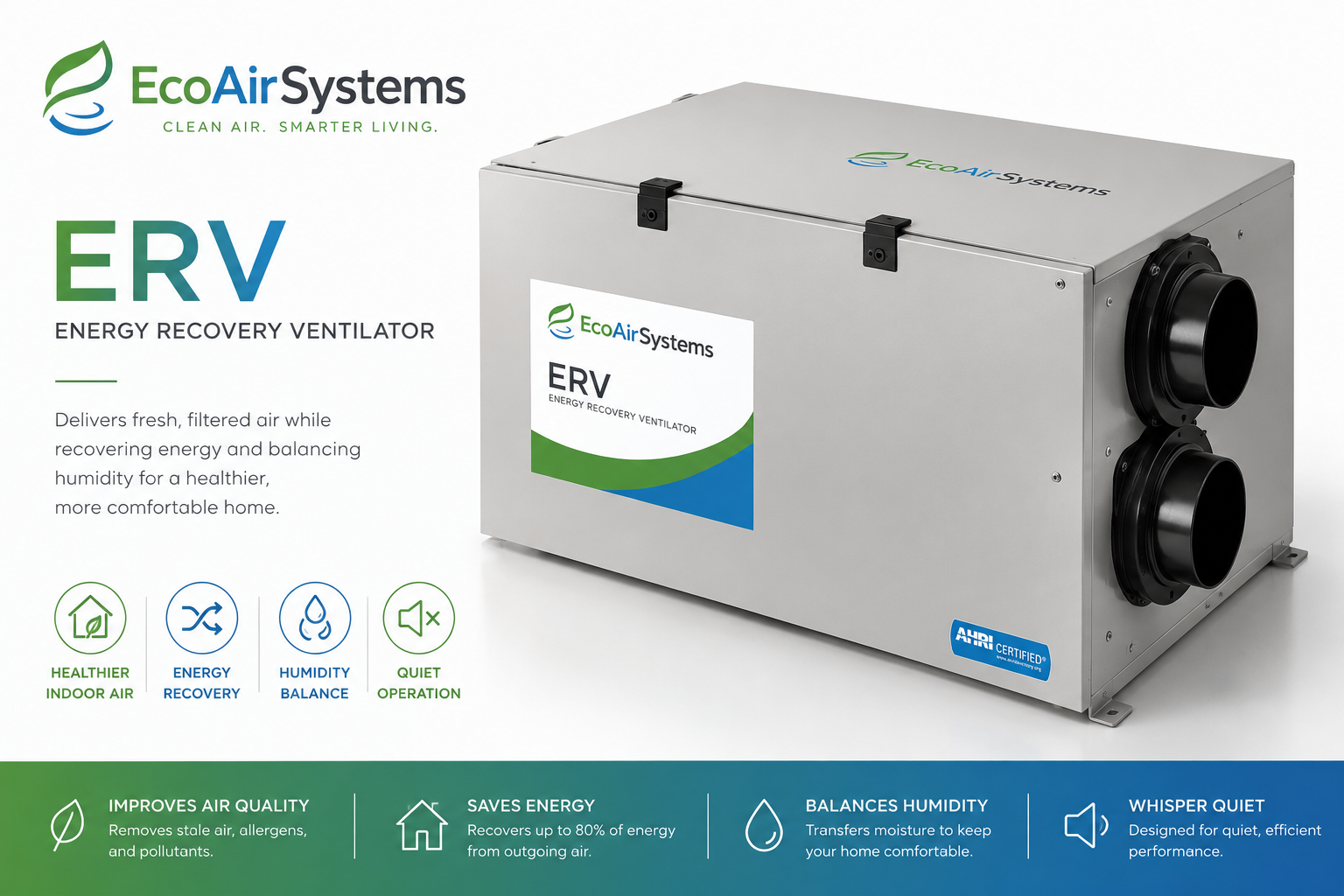
The appropriate solution may range from improving existing source exhaust and replacement air to a designed mechanical ventilation system. Energy recovery ventilation can exchange stale indoor air with filtered outdoor air while transferring some heat between the air streams.
An ERV is not a universal cure. Design must consider apartment volume, occupancy, climate, duct routes, acoustic requirements, filtration, maintenance, fire separation, façade approvals and interaction with existing exhaust systems.
For system information, visit energy recovery ventilation. For measurement and sampling questions, see indoor air quality testing Melbourne.
Apartment Humidity and IAQ Assessment in Melbourne
Absolute Restoration Service provides moisture investigation, building-focused indoor-air assessment, mould services and ventilation guidance for Melbourne apartments.
Call 1300 114 842 or contact ARS to discuss persistent condensation, elevated humidity, recurring mould or limited apartment ventilation.
Technical References
Frequently Asked Questions
Why do apartments develop high indoor humidity?
Moisture can accumulate when occupant activities and household sources exceed the apartment’s ability to remove water vapour.
How much moisture do occupants add each day?
NCC guidance estimates about 10 litres per person per day when breathing and household activities are combined. Five occupants may approach 50 litres.
Can an apartment be too airtight?
Airtightness needs planned ventilation. Without adequate exchange, moisture and indoor-generated pollutants can accumulate.
Why can ground-floor apartments have more condensation?
They may have colder surfaces, more shade, restricted window opening and possible drainage or building-envelope factors.
Will opening windows solve high humidity?
It can help in suitable conditions, but single-sided layouts, adjoining buildings, weather, security and lack of cross-flow may limit the result.
When should apartment humidity be assessed?
Consider assessment when condensation is persistent, mould returns, materials are damaged or the cause may involve ventilation, leaks or common property.