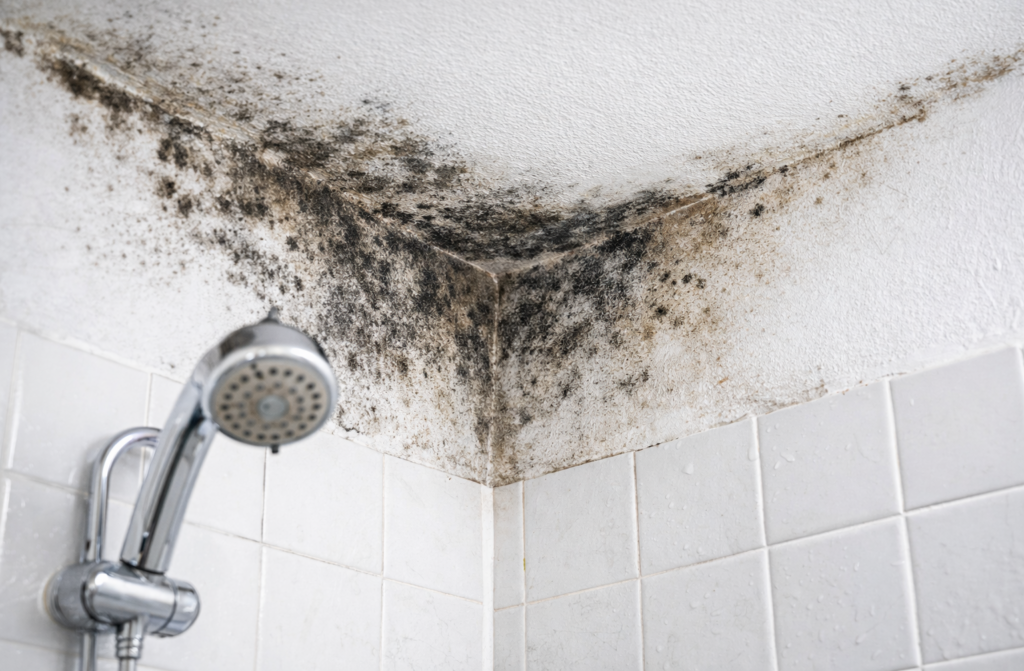
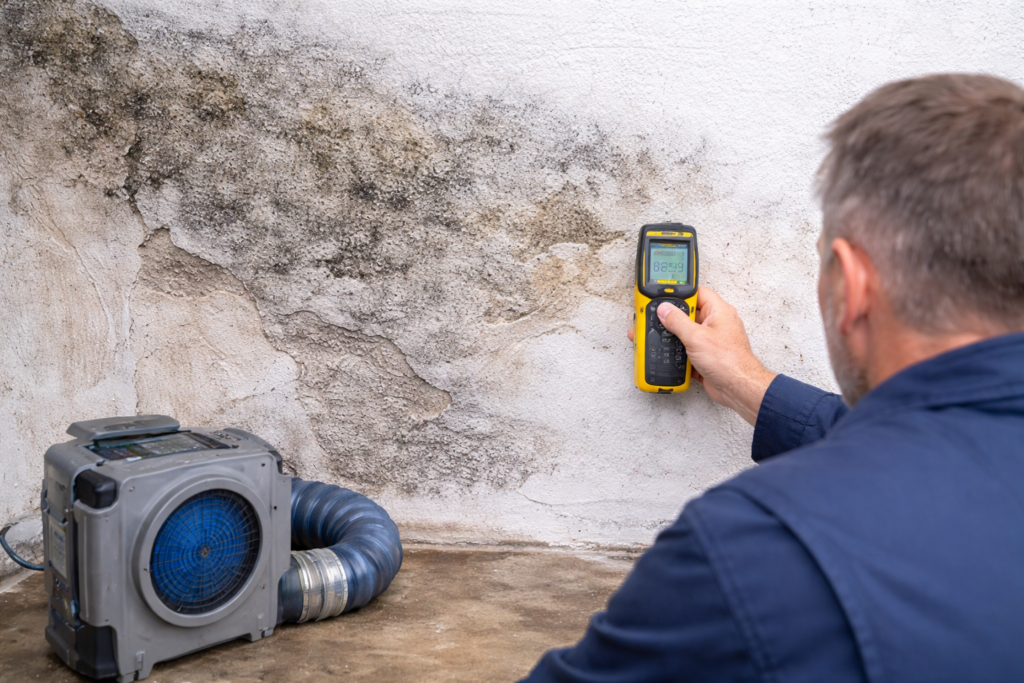
Hidden moisture inside walls can lead to mould growth if not professionally inspected and remediated.
Professional mould removal Melbourne services are essential for protecting your property, indoor air quality, and long-term building integrity. Mould growth is commonly caused by moisture issues such as water leaks, condensation, high humidity, or inadequate ventilation within wall cavities, ceilings, and subfloor areas.
Absolute Restoration Service provides expert mould removal Melbourne and mould remediation services across residential and commercial properties. Our certified technicians identify the source of moisture, assess contamination levels, and implement structured remediation solutions aligned with industry standards.
Whether caused by water damage, poor ventilation, or ongoing dampness, untreated mould can spread rapidly through building materials and indoor environments. Early professional intervention helps prevent structural damage, reduces health risks, and restores a safe, healthy indoor space.
Mould growth in Melbourne homes and buildings is commonly caused by water leaks, condensation, elevated humidity, poor ventilation, and unresolved moisture within building materials. When moisture becomes trapped inside plasterboard, timber, insulation, subfloors, or wall cavities, mould can develop quickly and spread through hidden structural areas.
Absolute Restoration Service provides professional mould removal Melbourne services and mould remediation across residential and commercial properties. This guide explains what causes mould, the health risks associated with contamination, and the professional remediation methods used to restore safer indoor environments.
✔ Free mould inspection available across Melbourne
✔ IICRC-aligned remediation methods
✔ 24/7 emergency response
What Is Mould and Why Is It a Problem?
Mould is a fungal contamination that thrives in damp, poorly ventilated environments. It reproduces by releasing microscopic airborne spores that can settle on moist building materials and rapidly colonise affected areas. In Melbourne properties, mould commonly develops after water damage, condensation, high indoor humidity, roof leaks, plumbing failures, or subfloor dampness.
Mould contamination can affect both the building structure and indoor air quality. If left untreated, mould may spread through wall cavities, ceilings, carpets, insulation, timber framing, and other porous materials, resulting in ongoing damage and recurring contamination.
What Causes Mould Growth in Melbourne Homes?
Melbourne’s changing temperatures, cool winters, and seasonal humidity can create ideal conditions for mould growth, particularly where buildings have inadequate airflow or unresolved moisture issues.
Common causes of mould include:
• Water leaks from plumbing, roofs, or showers
• Flooding or stormwater intrusion
• Condensation on windows, walls, and ceilings
• Poor bathroom, laundry, or kitchen ventilation
• Subfloor moisture accumulation
• Damp building materials following water damage
• Enclosed spaces with limited air movement
Mould develops when microscopic spores encounter moisture and organic materials such as plasterboard, timber, dust, paper linings, or insulation. If the moisture source remains unresolved, mould colonies can spread rapidly through concealed areas.
Signs You May Have Mould in Your Property
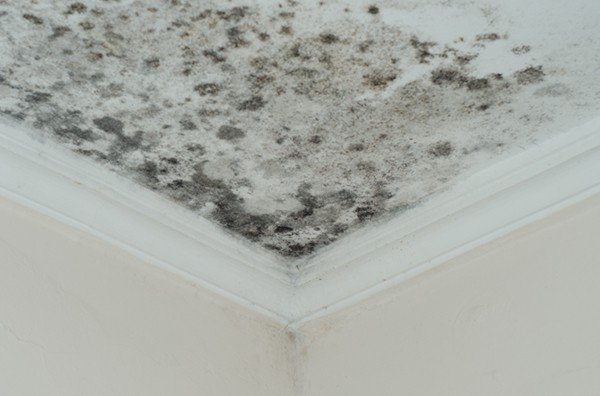
Mould contamination is not always immediately visible. In many cases it develops within concealed areas of a building before becoming obvious on exposed surfaces.
Common signs of mould growth include:
• Persistent musty odours inside rooms
• Dark staining on walls, ceilings, or window frames
• Peeling paint or bubbling plasterboard
• Increased indoor humidity or recurring condensation
• Visible mould patches on plaster, silicone, grout, or timber
• Allergy-type symptoms that worsen inside the property
If mould is suspected, a professional mould inspection can identify contamination levels, moisture sources, and hidden affected areas before remediation begins.
Health Risks Associated With Mould
Exposure to mould spores can negatively affect indoor air quality and may contribute to health symptoms, particularly for sensitive individuals.
Potential effects include:
• Respiratory irritation
• Allergic reactions
• Asthma aggravation
• Sinus congestion
• Headaches or fatigue in mould-affected environments
Professional mould remediation removes contamination sources and helps restore safer indoor air quality within affected properties.
Mould and your health according to Better Health Channel Victoria: the most effective way to control indoor mould growth is to control the source of moisture.
Professional Mould Inspection Process
Before remediation begins, technicians perform a detailed assessment to identify visible and hidden contamination, determine the extent of damage, and locate the moisture source that allowed mould growth to occur.
Inspection procedures may include:
• Visual mould assessment
• Moisture mapping of walls, floors, ceilings, and subfloors
• Thermal imaging to detect concealed moisture
• Assessment of ventilation limitations
• Indoor air quality evaluation where required
This process ensures remediation addresses the cause of mould growth rather than only treating visible symptoms.
Professional mould inspections identify hidden moisture sources and contamination pathways before remediation begins. Learn more about our detailed mould inspection services in Melbourne.
Professional Mould Remediation Methods
Professional mould remediation should follow recognised industry procedures such as IICRC S520 and, where water intrusion is involved, IICRC S500. The objective is not simply to clean visible mould, but to control contamination, remove affected materials where required, and correct moisture conditions that caused the growth.
Typical mould remediation steps include:
- Inspection and moisture mapping to determine the extent of contamination and identify moisture sources
- Containment of affected areas to reduce the spread of mould spores to unaffected parts of the property
- HEPA air filtration to capture airborne mould particulates during remediation works
- Removal of contaminated materials where porous building products are unsalvageable
- Antimicrobial treatment of structural surfaces and affected materials where appropriate
- Mechanical drying to reduce moisture content and stabilise damp building materials
- Final inspection and verification to confirm the affected area has been properly remediated
Professional mould remediation helps ensure mould is treated safely without spreading contamination to other areas of the property.
Mould Removal vs Mould Remediation
| Mould Removal | Mould Remediation |
|---|---|
| Surface cleaning only | Full contamination control process |
| Temporary cosmetic result | Long-term corrective approach |
| May not address hidden mould | Targets visible and concealed conA professional inspection is required to determine the exact scope of remediation works and whether additional moisture correction or structural drying is required.tamination |
| Does not resolve moisture source | Identifies and addresses moisture cause |
| Higher risk of mould returning | Reduces risk of recurrence |
Professional mould remediation follows recognised procedures such as IICRC S520, combining containment, filtration, material removal, treatment, and moisture correction to deliver a safer and more complete result.
For safe and effective results, property owners should choose professional mould remediation rather than relying on basic surface cleaning alone.
How Much Does Mould Removal Cost in Melbourne?
The cost of mould remediation varies depending on contamination severity, accessibility, the extent of moisture damage, and the types of building materials affected.
| Project Type | Typical Cost Range |
|---|---|
| Small mould treatment | $350 – $900 |
| Bathroom or bedroom mould remediation | $900 – $2,500 |
| Moderate structural contamination | $2,500 – $6,000 |
| Large remediation following water damage | $6,000 – $15,000+ |
A professional inspection is required to determine the exact scope of remediation works and whether additional moisture correction or structural drying is required.
Preventing Mould in Melbourne Homes
Preventing mould requires controlling moisture and improving airflow within buildings. Mould prevention strategies should focus on the underlying conditions that allow dampness to persist.
Effective prevention strategies include:
• Fixing plumbing or roof leaks promptly
• Improving bathroom and kitchen ventilation
• Installing subfloor ventilation systems where required
• Controlling indoor humidity levels
• Ensuring adequate airflow throughout the property
• Drying wet building materials quickly following leaks or flooding
Water Damage and Mould Growth
Water damage is one of the most common triggers for mould contamination in homes and buildings. If building materials remain damp following leaks, flooding, or water intrusion, mould can develop quickly and spread through concealed structural areas.
In many cases, mould can begin developing within 24 to 48 hours where sufficient moisture remains present.
Professional structural drying and water damage restoration can help reduce the risk of mould growth following water intrusion events.
Mould Removal Melbourne FAQs
Below are answers to common questions homeowners ask about mould contamination and professional mould remediation in Melbourne.
What causes mould growth in Melbourne homes?
Mould growth in Melbourne homes is typically caused by excess moisture, condensation, or water damage. Common sources include leaking pipes, roof leaks, poor bathroom or kitchen ventilation, and moisture trapped within wall cavities or subfloor spaces. When building materials remain damp, mould can develop and spread rapidly.
Is mould dangerous to health?
Exposure to mould spores can affect indoor air quality and may cause respiratory irritation, allergic reactions, and worsening asthma symptoms. Sensitive individuals such as children, elderly occupants, or those with existing respiratory conditions may experience stronger symptoms in mould-affected environments.
How quickly should mould be removed?
Mould should be professionally assessed and treated as soon as possible. Under favourable moisture conditions, mould colonies can begin spreading within 24–48 hours, contaminating building materials and indoor air.
What is the difference between mould cleaning and mould remediation?
Mould cleaning typically removes visible mould from surfaces, but it may not address hidden contamination, airborne spores, or the moisture source that caused the issue. Professional mould remediation follows recognised procedures such as IICRC S520, which may include containment, HEPA filtration, material removal, treatment, and moisture correction.
Can mould return after remediation?
Yes, mould can return if the underlying moisture source is not corrected. Professional mould remediation focuses on both removing contamination and identifying the conditions that allowed mould to grow in the first place.
How much does mould removal cost in Melbourne?
The cost of mould remediation varies depending on the extent of contamination, the affected building materials, and the moisture source involved. Minor mould treatment may cost a few hundred dollars, while larger remediation projects involving structural materials may require more extensive restoration works.
Do you provide mould inspections in Melbourne?
Yes. Our Mould Inspection Melbourne service identifies contamination levels, moisture sources, and the extent of mould growth before remediation begins. Professional inspections help determine the most effective remediation approach and reduce the risk of mould returning.
How do professionals remove mould from a house?
Professional mould remediation removes mould contamination using containment procedures, HEPA filtration, antimicrobial treatments, controlled demolition where required, and moisture correction.
Certified technicians follow recognised industry standards such as IICRC S520 to help ensure mould is treated safely without spreading contamination throughout the property.
Book a Professional Mould Inspection
If your property is experiencing mould growth, musty odours, condensation issues, or moisture problems, early assessment can help prevent further structural damage and ongoing contamination.
Absolute Restoration Service provides professional mould inspection and mould remediation services across Melbourne.
Our team can identify the source of moisture, assess contamination levels, and recommend the most appropriate remediation strategy to help restore a safer indoor environment.
Book a Professional Mould Inspection
📞 Call: 1300 114 842