Insurance Coverage for Mould in Melbourne

Insurance coverage for mould depends on the wording of your policy, the cause of the moisture and how quickly the damage was reported and managed. Mould itself is not automatically covered. Insurers commonly look at whether it developed after a sudden insured event or from gradual moisture, maintenance or ventilation conditions.

Absolute Restoration Service (ARS) provides mould inspection, moisture assessment, documentation and professional remediation across Melbourne. We do not determine policy coverage or act as an insurer or claims adviser. Our role is to provide clear site information and restoration services that may assist the assessment and recovery process.

Active water entry or urgent damage? Call 1300 114 842 for restoration assistance, and notify your insurer as soon as practical.

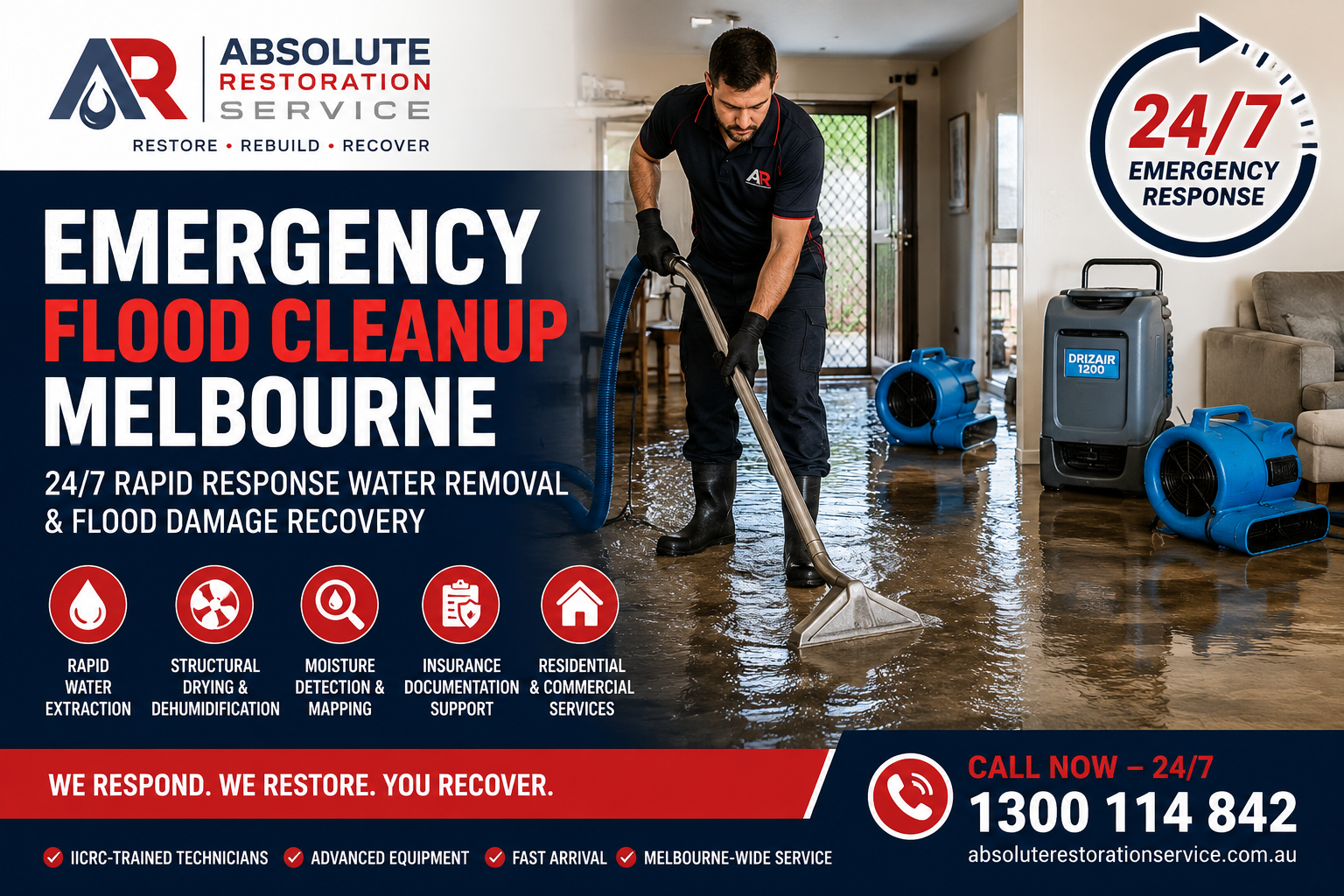
Emergency flood cleanup technician extracting floodwater from a Melbourne home using commercial water extraction and structural drying equipment.

Professional water extraction and drying can help limit secondary moisture damage after an insured event.

When might mould damage be considered?

An insurer may consider mould-related damage when it is directly connected to an event covered by the policy. Examples can include a burst pipe, an overflowing appliance or storm-related water entry. Cover is never automatic: limits, exclusions, excesses and claim conditions still apply.

Mould associated with long-term leaks, unresolved condensation, rising damp, poor ventilation, construction defects or inadequate maintenance is often treated differently. Policies vary, so read the Product Disclosure Statement and policy schedule, then ask the insurer to explain the relevant clause.

What insurers commonly assess

  • Cause: what introduced the moisture and whether that event is insured.
  • Timing: when the incident occurred, when mould was noticed and when it was reported.
  • Duration: whether the condition appears sudden or gradual.
  • Mitigation: reasonable steps taken to stop water and prevent additional damage.
  • Evidence: photographs, reports, moisture readings, repair records and invoices.
  • Scope: which materials require drying, cleaning, removal or repair.

What to do after discovering mould or water damage

  1. Make the area safe. Avoid electrical hazards, contaminated water and unnecessary disturbance of mould.
  2. Stop the source if safe. Turn off an accessible water supply or arrange an appropriate trade. Do not take risks on roofs, in ceilings or near electricity.
  3. Document conditions. Take wide and close photographs, note dates and retain damaged items unless disposal is necessary for safety.
  4. Contact your insurer. Obtain a claim number and ask what emergency work, assessments and approvals are required.
  5. Arrange professional assessment. Moisture can extend beyond visible staining. Inspection helps define affected materials and an appropriate scope.
  6. Keep a claim file. Save reports, correspondence, receipts, invoices and names of everyone contacted.
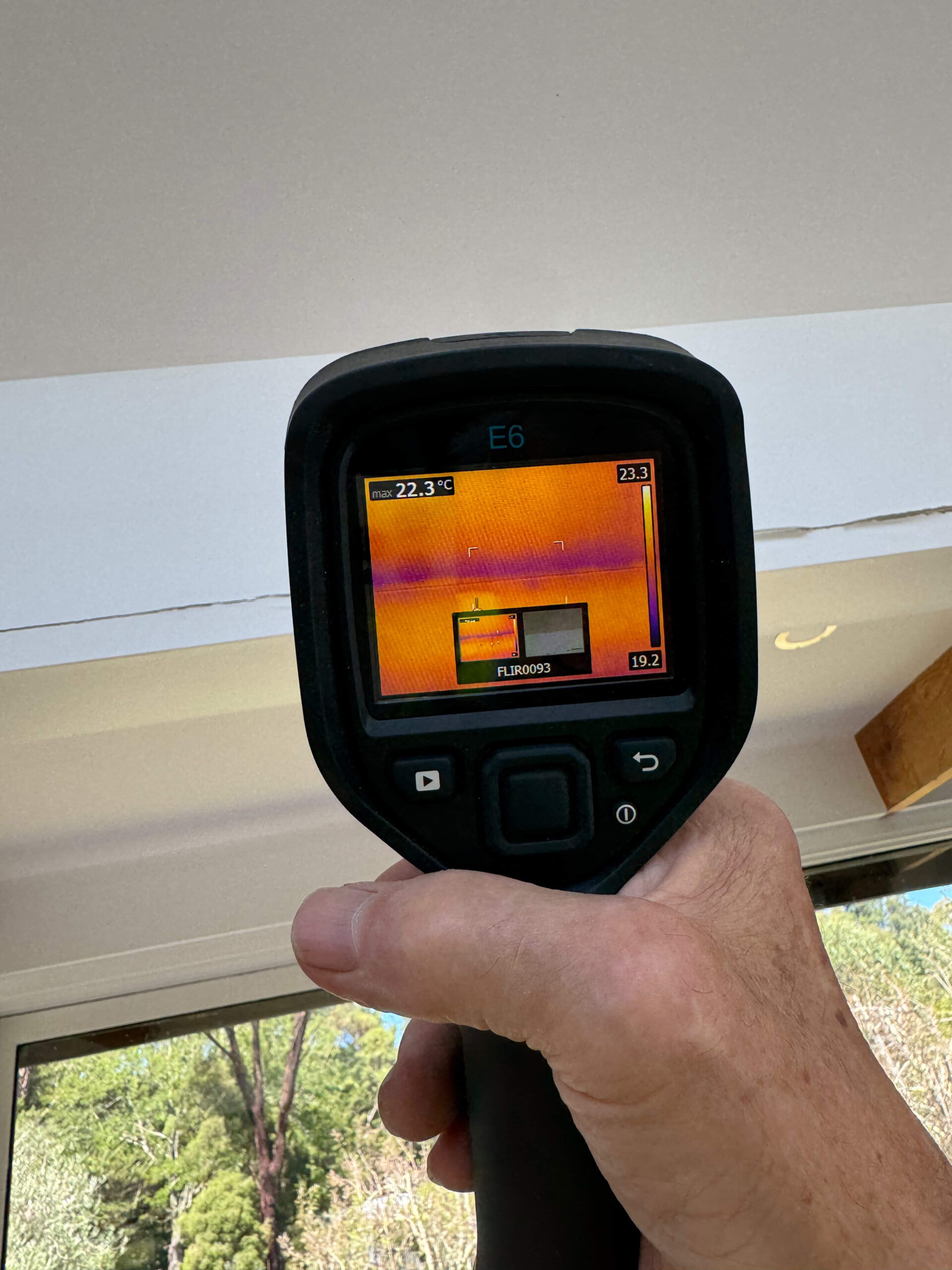
Thermal imaging camera detecting moisture and mould contamination Melbourne

Moisture mapping and documented readings help define affected areas and drying requirements.

Emergency mitigation versus permanent repairs

Reasonable emergency action may be necessary to reduce further damage, especially after active water intrusion. This can include water extraction, containment, controlled drying and protection of unaffected areas. Ask the insurer what can proceed immediately and what requires approval.

Emergency mitigation is not the same as approving a full claim or permanent repairs. Keep the scope, authorisations and costs clear. Do not assume that engaging a contractor guarantees reimbursement.

How ARS can assist

Depending on site conditions and the agreed scope, our Melbourne team can provide:

  • visual assessment and moisture investigation;
  • photographic documentation and moisture readings;
  • water extraction, structural drying and dehumidification;
  • containment, HEPA air filtration and controlled mould remediation;
  • clear scopes and records of completed restoration work; and
  • communication with owners, property managers and insurers about restoration requirements.

ARS technicians are IICRC-trained and use fit-for-purpose restoration equipment. We explain what we observe and the work proposed, while coverage decisions remain with the insurer.

Questions to ask your insurer

  • Is the event that caused the moisture covered?
  • Does the policy contain a mould limit or exclusion?
  • What emergency mitigation is authorised?
  • Do I need an assessor, plumber, hygienist or restoration report?
  • Can I choose my restoration provider?
  • Which costs require prior approval?
  • What evidence and deadlines apply?

Important guidance

This page provides general information and is not legal, financial or insurance advice. Policy terms and claim circumstances differ. For a coverage decision, contact your insurer or broker; for advice about a dispute, consider an appropriately qualified adviser.

For inspection, mould remediation or water-damage restoration in Melbourne, call 1300 114 842 or contact Absolute Restoration Service.
Insurance Coverage for Mould FAQs

Does home insurance cover mould removal?

It depends on the policy wording and the cause of the damage. Some policies may respond when mould follows a sudden insured event, while gradual moisture, maintenance issues and exclusions may limit or prevent cover. Ask your insurer to confirm your position in writing.

Should I remove mould before an insurer inspects it?

Prioritise safety and take reasonable steps to prevent further damage, but avoid disturbing extensive mould or discarding affected materials unless your insurer or a qualified professional advises you to do so. Photograph the area and keep records first wherever practical.

What documents can support a mould insurance claim?

Useful records may include dated photographs, the incident timeline, plumber or leak-detection reports, moisture readings, inspection findings, remediation scopes, invoices and correspondence with the insurer. Requirements vary by claim.

Can Absolute Restoration Service approve my insurance claim?

No. Only your insurer can determine whether a claim is covered. ARS can inspect affected areas, document observable conditions, provide a restoration scope and carry out authorised remediation or water-damage work.

Do I need insurer approval before remediation begins?

Ask your insurer as early as possible. Emergency mitigation may sometimes need to begin promptly to reduce further damage, but non-urgent work should generally be discussed with the insurer before costs are incurred.

What if the source of moisture has not been repaired?

The leak, ingress or ventilation problem should be identified and corrected as part of the recovery plan. Remediation without moisture control can allow mould to return.

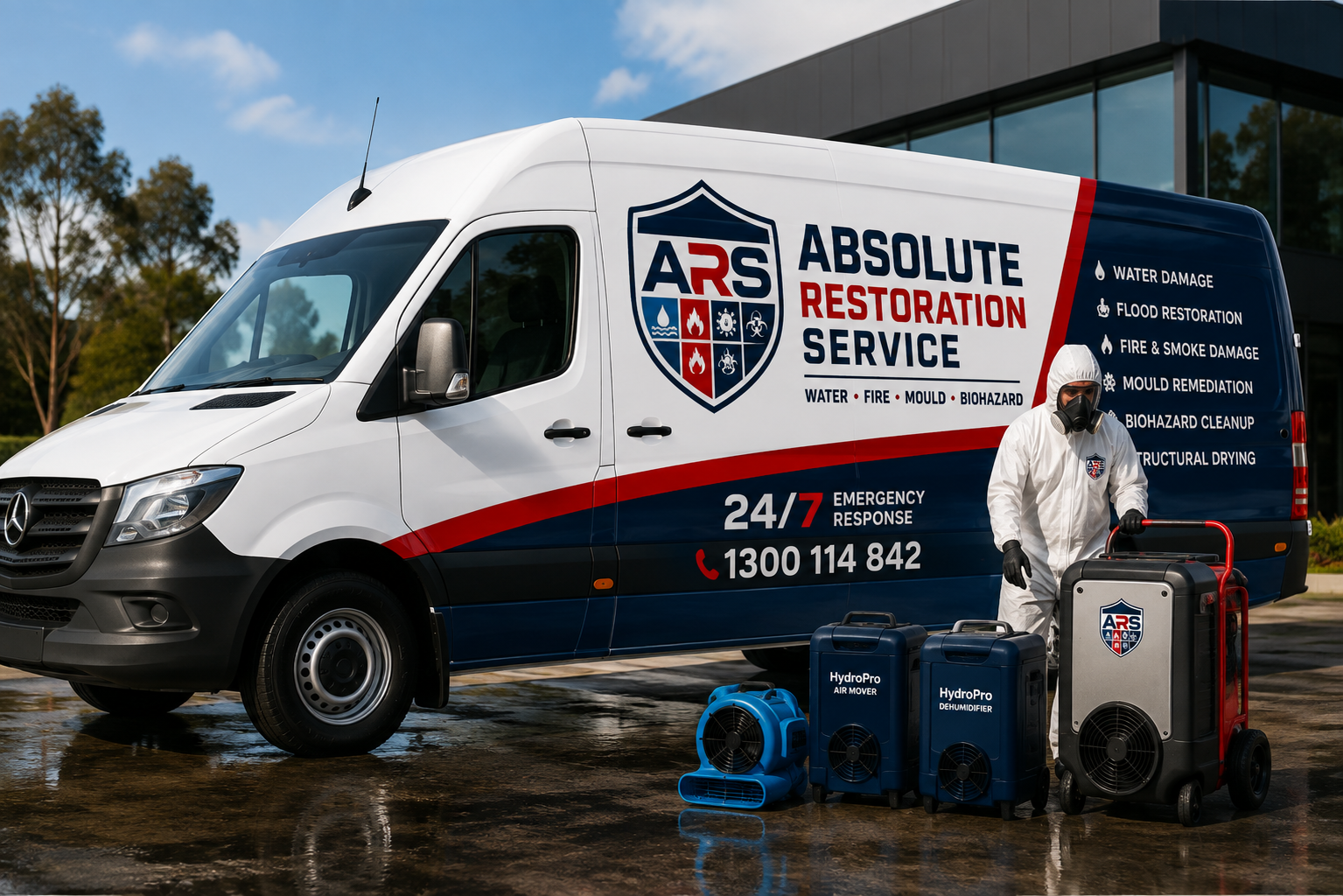
Absolute Restoration Service van with new ARS branding, restoration technician and professional drying equipment in Melbourne

Melbourne restoration support from Absolute Restoration Service