PUBLIC-HEALTH CONTEXT AND PROPERTY GUIDANCE
Dampness and mould are recognised indoor environmental concerns. The World Health Organization’s guidance on dampness and mould reports associations with increased respiratory symptoms, allergies and asthma. That evidence supports preventing persistent dampness and addressing microbial growth in buildings.
However, a restoration contractor cannot diagnose illness, determine an individual’s exposure or prove that a particular property caused symptoms. Health assessment belongs with an appropriately qualified healthcare professional; property assessment focuses on moisture, affected materials and restoration conditions.
For Melbourne mould and moisture assistance, call Absolute Restoration Service on 1300 114 842.
What Public-Health Guidance Says
WHO guidance identifies dampness and microbial growth as indoor environmental issues and concludes that preventing or minimising persistent dampness is an important public-health measure. Reported associations are strongest for respiratory symptoms, allergies and asthma at the population level.
An association across groups does not show that mould caused a particular person’s symptom. Individual response varies, symptoms may have many causes, and a building contractor does not have the role or evidence needed to make a diagnosis.
Possible Symptoms Require Medical Assessment
People may seek healthcare advice for respiratory, allergic or irritation symptoms they believe are linked to an indoor environment. The appropriate clinician can consider medical history, other allergens, infections, occupational exposures and additional causes. Allergy testing, when clinically appropriate, is selected and interpreted by a doctor.
Urgent breathing difficulty, severe allergic reaction or another medical emergency requires immediate medical assistance. In Victoria, people can also use Healthdirect for health information and service guidance.
Who May Need Additional Care?
Some people may be more sensitive to allergens or irritants, including those with asthma or known allergies. The significance for an individual should be discussed with their healthcare professional. ARS does not advise whether a person should remain in, leave or return to a property for medical reasons.
Property access decisions may also involve the owner, employer, property manager, insurer, public-health authority or independent environmental assessor, depending on the setting.
Visible Mould Is a Building-Moisture Signal
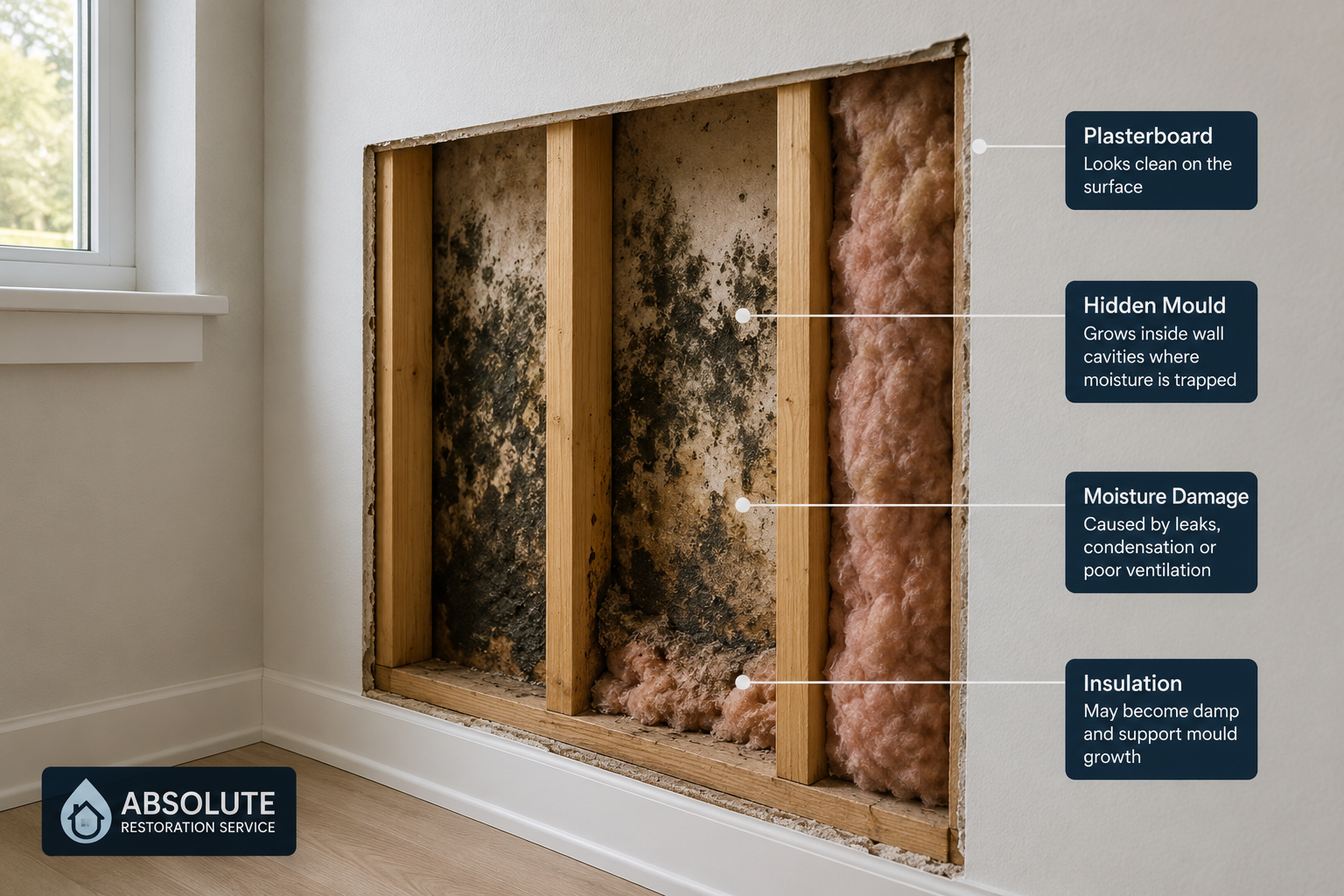
Visible growth indicates that the material or surface conditions supported mould. The practical building response is to investigate the moisture source, define affected materials and determine whether cleaning, removal, drying or specialist repair is required.
Colour does not reliably identify a mould species, toxin or health significance. Terms such as “black mould” and “toxic mould” are often used imprecisely and should not replace evidence-based property investigation or medical advice.
Hidden Mould and Musty Odours
Mould may be concealed behind walls, beneath flooring, above ceilings, inside cabinetry or within damp subfloors. A musty odour can justify further investigation, but it does not prove the location, species, extent or health significance.
Do not open building materials without considering electrical wiring, plumbing, structure, asbestos and contamination controls.
How ARS Investigates Property Conditions
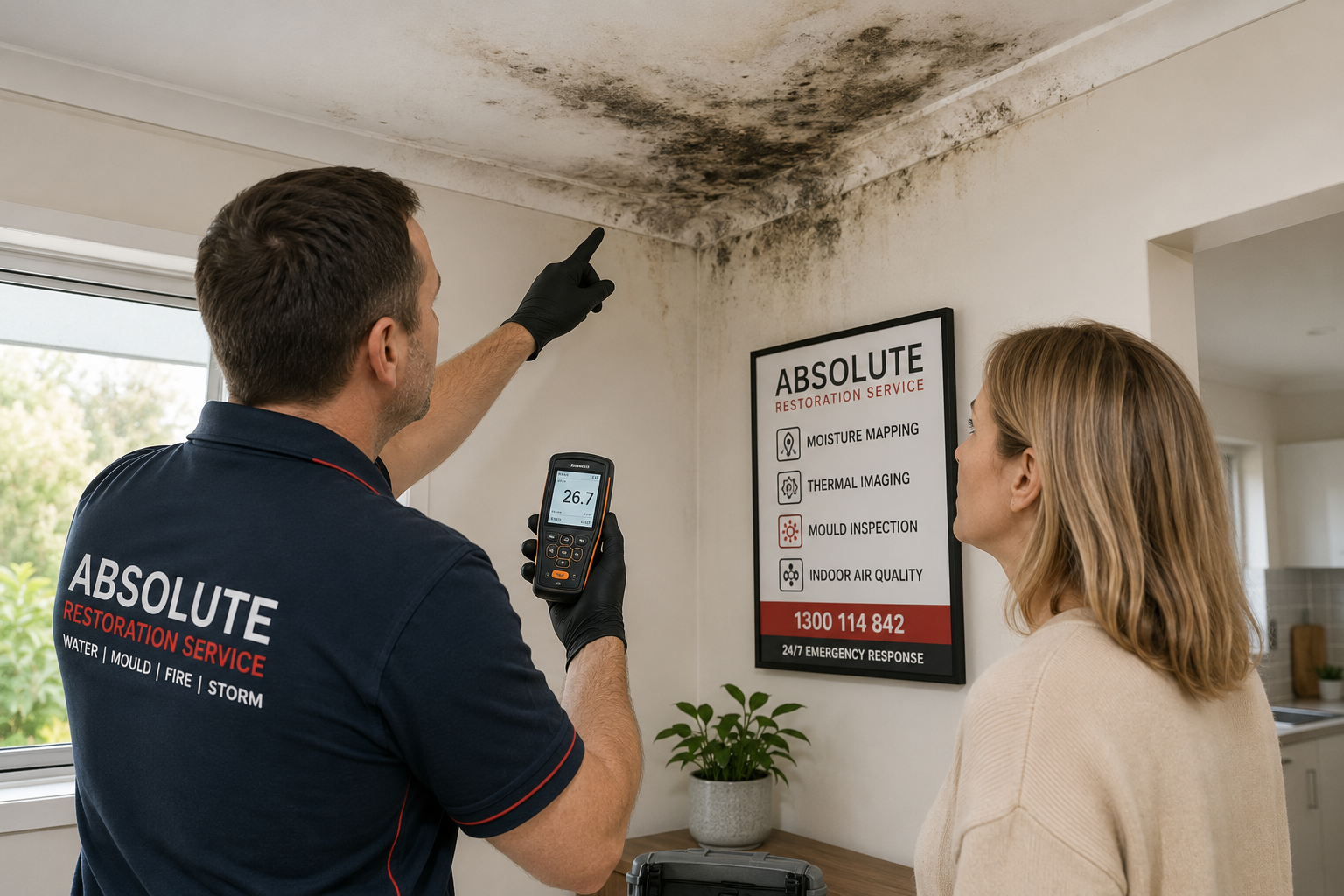
- History review: Discuss leaks, flooding, condensation, odours, repairs and recurring growth.
- Accessible inspection: Document visible conditions and likely moisture pathways.
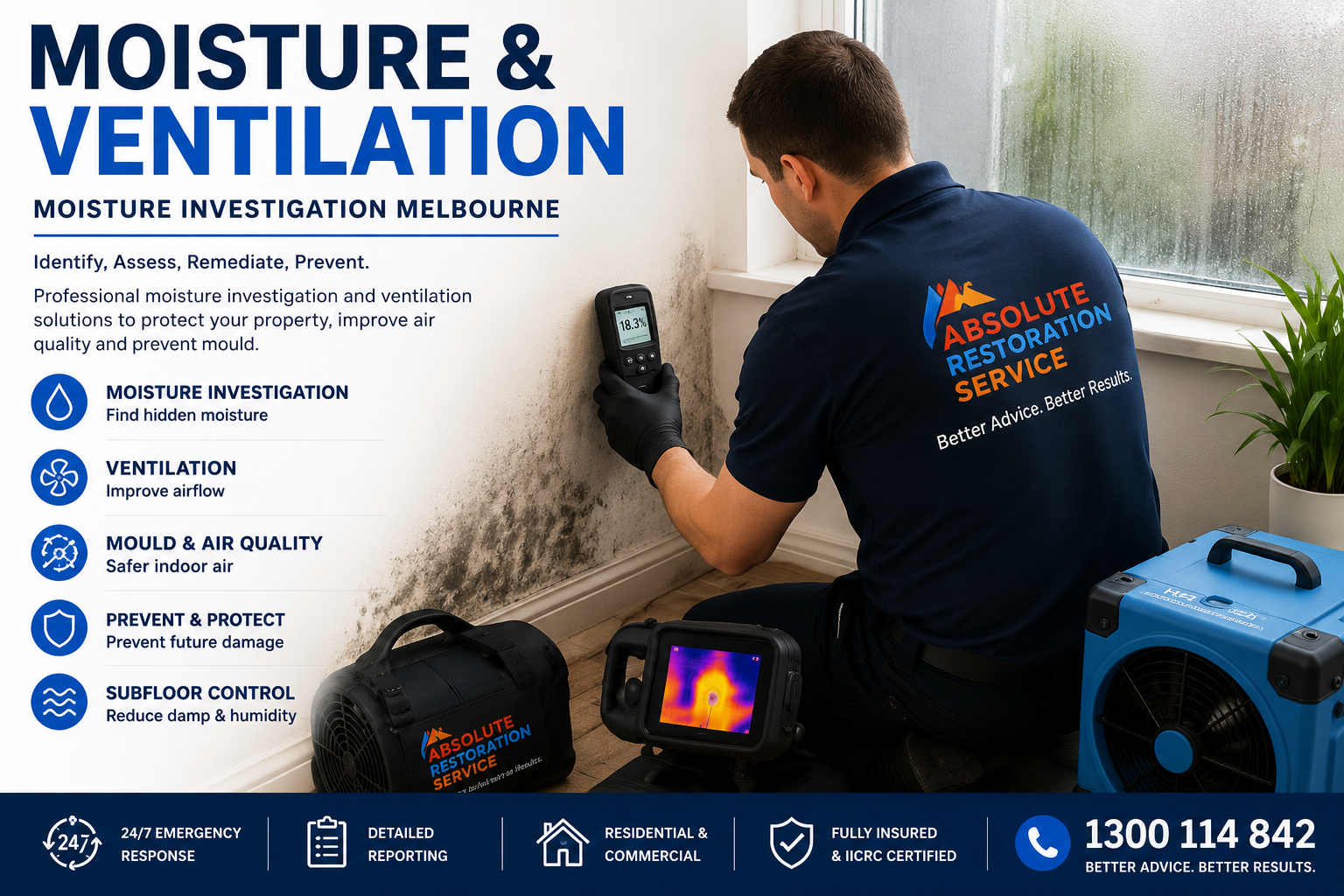
- Moisture assessment: Use suitable meters to compare suspect materials and reference areas.
- Thermal imaging where appropriate: Identify surface-temperature patterns requiring closer investigation.
- Scope development: Recommend source repairs, drying, remediation or specialist assessment.
- Documentation: Record accessible restoration observations and work performed.
Thermal imaging does not see through walls or identify mould. Moisture readings must be interpreted for the material and meter used. No non-destructive inspection can guarantee that every concealed cavity has been assessed.
Is Mould Testing Necessary?
Sampling is not automatically required when visible mould and a clear moisture source are already present. Testing is most useful when it answers a defined question and the result will change the project decision or verification criteria.
Property sampling is not a medical test and cannot diagnose illness. Complex, disputed or sensitive projects may benefit from an independent environmental assessor or laboratory. A healthcare professional should advise on medical assessment.
Air Testing and “Safe” Numbers
Indoor and outdoor mould levels vary, and interpretation depends on sampling method, location, weather, building conditions and the purpose of the assessment. A single air sample should not be presented as a universal certificate that a property is healthy or risk-free.
Where post-remediation verification is required, the assessor should establish the criteria and sampling plan before the contractor’s work is evaluated.
Professional Mould Remediation
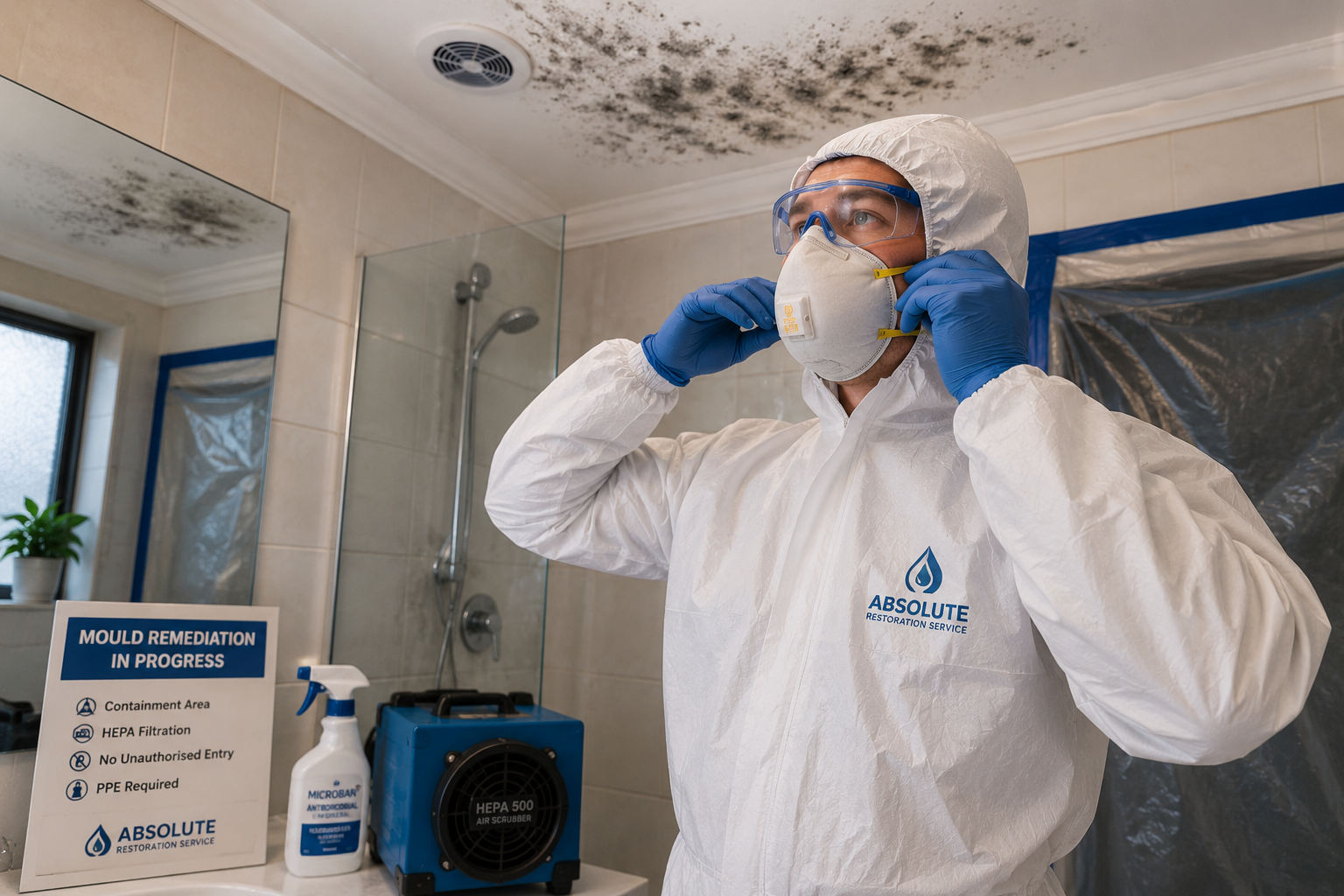
The authorised scope may include source-control coordination, restricted access, containment, suitable PPE, removal of unsalvageable porous materials, HEPA-filtered air management, detailed HEPA vacuuming, surface cleaning and structural drying.
Our IICRC-trained technicians adapt controls to the affected area. Remediation addresses identified property conditions; it is not a medical treatment and cannot promise that symptoms will improve.
Moisture Control Is the Priority
Long-term control depends on correcting the conditions that supported growth. This may require licensed plumbing, roofing, drainage, waterproofing, ventilation or building work. Cleaning visible mould while the source remains active is unlikely to provide durable control.
Practical measures can include:
- repairing leaks and water entry promptly;
- drying affected materials after a water event;
- using suitable bathroom and kitchen exhaust ventilation;
- investigating recurring condensation and cold surfaces;
- maintaining gutters, drainage and subfloor conditions;
- avoiding installation of finishes over damp substrates; and
- monitoring for recurring odour, staining and dampness.
Rental, Workplace and Strata Properties
Managed properties can involve occupants, owners, employers, property managers, owners corporations, insurers and public authorities. ARS documents accessible restoration conditions and completed work. We do not determine tenancy responsibility, workplace fitness, legal liability, regulatory compliance or insurance coverage.
Medical restrictions and return-to-occupancy decisions based on a person’s health should come from the appropriate healthcare or environmental-health professionals.
What ARS Can and Cannot Do
ARS can:
- investigate accessible moisture conditions;
- document visible mould and affected materials;
- develop and complete an authorised remediation scope;
- coordinate practical restoration recommendations; and
- work with independent assessors where verification is required.
ARS cannot:
- diagnose illness or allergy;
- determine individual exposure;
- prove that a property caused symptoms;
- prescribe medical treatment; or
- guarantee a symptom or health outcome after remediation.
When to Seek Help
Seek healthcare advice for symptoms or exposure concerns. Arrange property assessment when there is visible or recurring mould, persistent dampness, water damage, musty odour or suspected concealed moisture. Immediate medical, electrical, structural, sewage or fire hazards require the appropriate emergency service or licensed professional.
For property assistance, call ARS on 1300 114 842 or visit the Mould Removal Melbourne service page.
Mould and Health FAQs
Can dampness and mould affect health?
Public-health guidance reports associations between damp or mouldy buildings and respiratory symptoms, allergies and asthma. Individual symptoms require assessment by a qualified healthcare professional.
Can mould colour show whether it is dangerous?
No. Colour does not reliably identify mould species, toxins, exposure or health significance. Building action should focus on moisture and contamination conditions.
Can ARS diagnose mould-related illness?
No. ARS investigates accessible property conditions and performs authorised remediation. Medical diagnosis and treatment belong with qualified healthcare professionals.
Is mould testing required when someone has symptoms?
Property sampling is not a medical test and is not automatically required. A healthcare professional can advise on medical assessment, while an environmental assessor can determine whether building sampling answers a defined question.
Will mould remediation cure health symptoms?
A remediation contractor cannot promise a medical outcome. Remediation addresses identified moisture and contamination within the authorised building scope.
What should I do if I am concerned about mould and health?
Seek healthcare advice for symptoms and arrange appropriate property investigation for dampness or mould. Urgent breathing difficulty or another medical emergency requires immediate medical assistance.